





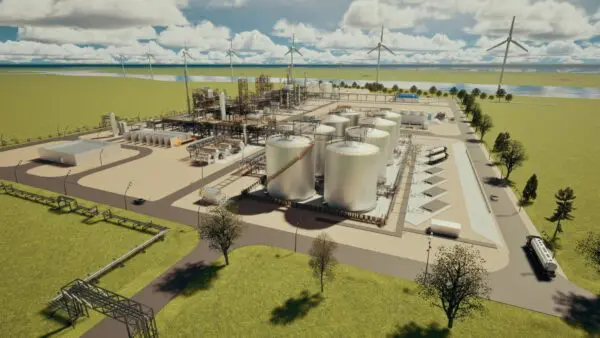
Construction partner for pioneering SAF plant DSL‑01 by SkyNRG and Technip Energies
News
19 February 2026
Read the article
Date
26 April 2019
Expertise
Unit 230004 is now in service on the route between Bletchley and Bedford, which forms part of its London Northwestern Railway business unit. The train, which has been developed by Vivarail, will provide extra capacity and improved customer experience for passengers on the line. Strukton Rail developed the traction and auxiliary systems. These systems control the power from the genset to the right voltage for the motors, batteries and auxiliary systems. West Midlands Trains ordered the three two-car units from Vivarail. The remaining two sets are expected to enter service in the coming weeks.
The traction system is able to power DC and AC motors while assuring smooth acceleration and higher travelling comfort for passengers. These trains are currently powered by fuel efficient diesel generators. With minor changes, this traction system is also suitable for battery hybrid operation. Later this year, five hybrid three-car trains will be delivered to KeolisAmey for the Wales and Borders franchise.
The fuel consumption is roughly half that of a Class 14X Pacer diesel multiple-unit. This is supported by the use of stop-start technology, which sees the engines shut down when not needed, such as at stations or when stabled, although one engine will remain operational for battery charging. The designers say that having four separate engine modules would enable a train to operate at near full power even if one engine should fail. The design of the traction package allows the trains to be maintained locally, rather than needing to return to a depot. Individual engine modules can be exchanged in 10 min with just three operations: disconnecting the fuel and air hoses; unhooking the safety catches and lifting out the module using a pallet truck. Current estimates are that a full engine change would only be needed every 250 000 to 300 000 km.
In order to support Vivarail’s innovative plans, Strukton is developing a next generation traction system. This will enable full battery operation with the opportunity of charging at stationary stops as well as hydrogen fuel cell operation. This will make Vivarail one of the first long-distance, zero-emission train manufacturers worldwide. The traction system is expected to be ready before 2020.
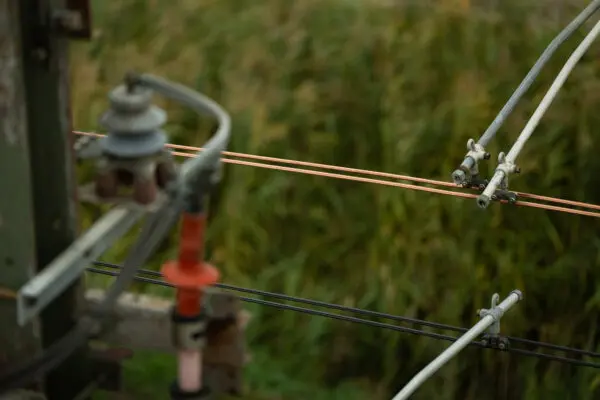
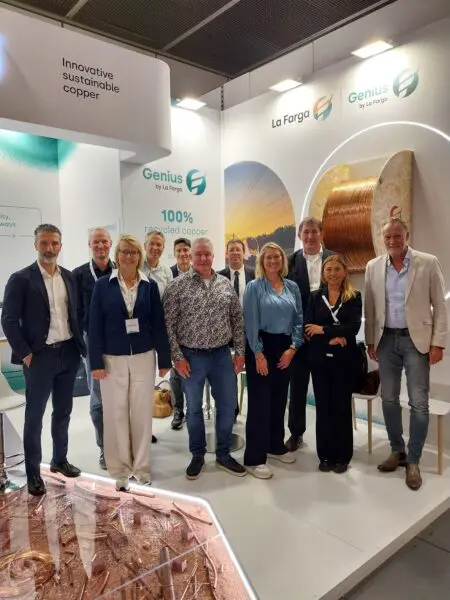
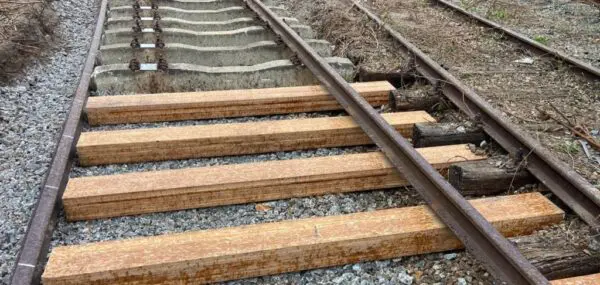
Sustainability in rail and civil engineering focuses on reducing environmental impact across the entire lifecycle of infrastructure. This includes using emission‑free equipment, circular and recycled materials, and designing assets with a longer lifespan and lower maintenance requirements. Reusing structural components—such as circular viaduct beams or recycled copper contact wires for overhead lines—significantly reduces CO₂ emissions while conserving valuable raw materials.
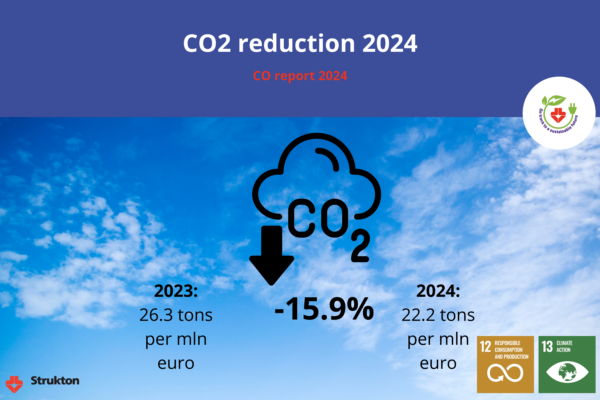
CO₂‑reduction is achieved through a combination of clean construction methods and material innovation. Key strategies include:
These measures not only reduce carbon emissions but help create more resilient, future‑proof infrastructure.
Infrastructure projects increasingly rely on advanced sustainable technologies, such as:
These innovations drive measurable environmental benefits throughout the asset lifecycle.
Zero‑emission equipment refers to machinery that operates without producing exhaust gases, typically powered by electricity or batteries. Examples include:
This equipment eliminates local emissions, improves air quality around work sites, reduces noise pollution and helps clients comply with increasingly strict sustainability requirements.
By 2050, the infrastructure sector aims to be fully climate‑neutral. This future includes:
The transition is already underway, driven by innovation, collaboration and long‑term thinking.