





Construction partner for pioneering SAF plant DSL‑01 by SkyNRG and Technip Energies
News
19 February 2026
Read the article
Date
11 January 2019
Expertises
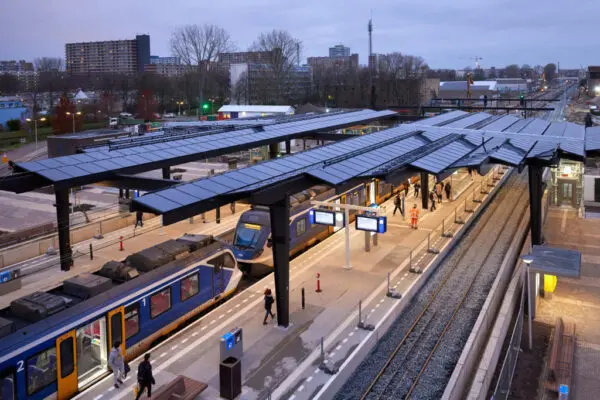
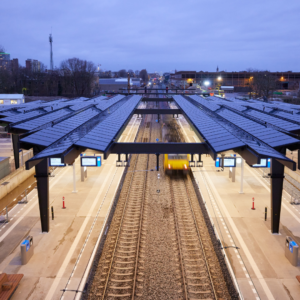
The station is being refurbished and given a solar panel roof. Strukton is responsible for building the roof, including solar cells and the connection to the power grid.
Delft railway station is part of the Rijswijk-Rotterdam project that was awarded to Strukton at the end of last year. Today, State Secretary Stientje van Veldhoven (Infrastructure and Water Management), together with the municipality of Delft and rail manager ProRail officially gave the green light for the start of the work at the station.
“The refurbishment and roofing of the station enables us to achieve two goals at once: passengers on the platform will no longer get rained on and the roof, which is actually one big solar panel, will make the station fully energy neutral. Delft Campus will soon be leading the way towards the sustainable future of our country!” State secretary Van Veldhoven
The refurbishment is part of a larger project to make the station suitable for the track doubling between Rijswijk and Delft. As a result, 14 trains an hour will be able to travel between Rotterdam and The Hague, one of the busiest rail links in our country. Passengers in both directions can take a train every few minutes. This is necessary to be able to handle the huge growth in the number of passengers, mainly in the Randstad.
Lifts will also make the new Delft Campus station accessible to passengers with a disability. Passengers who can’t manage stairs now have to take a different route. The construction of a tunnel for cyclists and pedestrians will also make Delft University of Technology more accessible, a long-cherished wish of students and staff at the university. The sustainable station is due for completion in 2023. The cost of the solar panel roof is 2.4 million euros. The municipality of Delft will contribute 1.8 million euros to this. The rest will be provided by the government.
This message is based on the notification from the Ministry of Infrastructure and Water Management
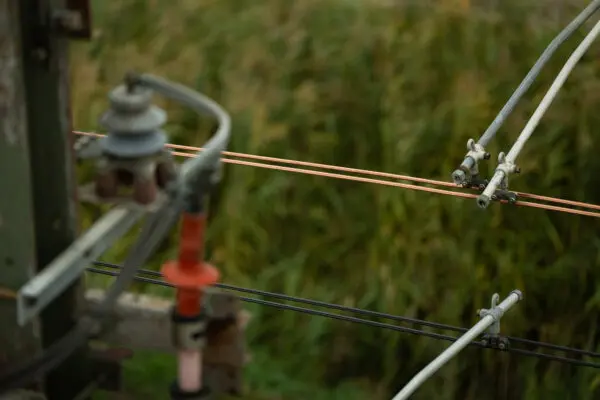
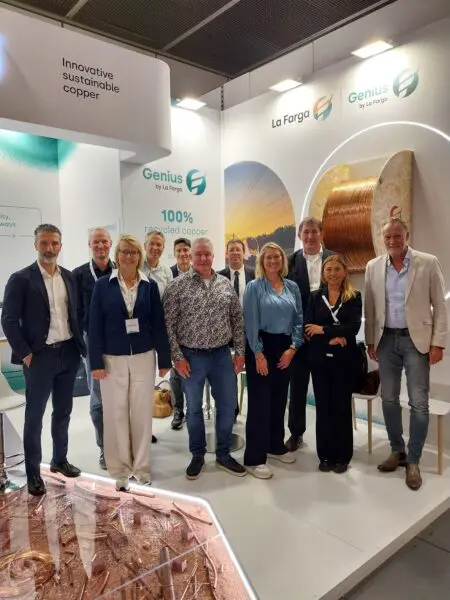
Sustainability in rail and civil engineering focuses on reducing environmental impact across the entire lifecycle of infrastructure. This includes using emission‑free equipment, circular and recycled materials, and designing assets with a longer lifespan and lower maintenance requirements. Reusing structural components—such as circular viaduct beams or recycled copper contact wires for overhead lines—significantly reduces CO₂ emissions while conserving valuable raw materials.
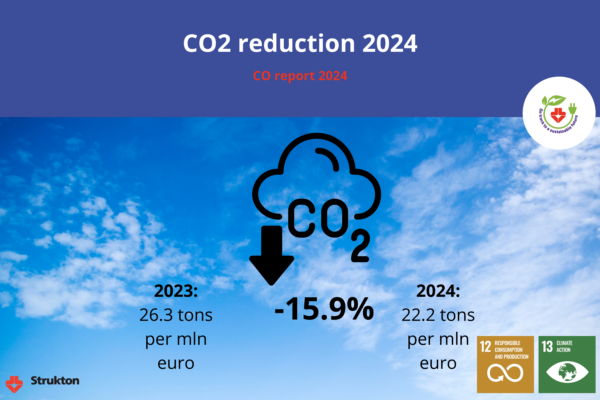
CO₂‑reduction is achieved through a combination of clean construction methods and material innovation. Key strategies include:
These measures not only reduce carbon emissions but help create more resilient, future‑proof infrastructure.
Infrastructure projects increasingly rely on advanced sustainable technologies, such as:
These innovations drive measurable environmental benefits throughout the asset lifecycle.
Zero‑emission equipment refers to machinery that operates without producing exhaust gases, typically powered by electricity or batteries. Examples include:
This equipment eliminates local emissions, improves air quality around work sites, reduces noise pollution and helps clients comply with increasingly strict sustainability requirements.
By 2050, the infrastructure sector aims to be fully climate‑neutral. This future includes:
The transition is already underway, driven by innovation, collaboration and long‑term thinking.
Stations function as multimodal mobility hubs, where pedestrians, cyclists, buses, trams, taxis, trains and commercial activities converge. This density of movements requires careful planning, integrated construction phasing and coordination across many disciplines to maintain safety and accessibility. Station projects often involve platform reconstruction, track works, switches, overhead lines, underground structures, commercial areas and public‑space upgrades all at once
Working in a live station environment requires holistic and precisely synchronised planning. Multidisciplinary teams coordinate construction windows, material deliveries, rail possessions and stakeholder activities to minimise disruption to passengers and train services. This approach is used widely in complex rail environments across Europe, where rail contractors must maintain availability while executing renewal and upgrade works