





Mats Bylund Appointed New Maintenance Manager at Strukton Sweden
News
06 February 2026

Read the article
Date
08 May 2024
Expertise
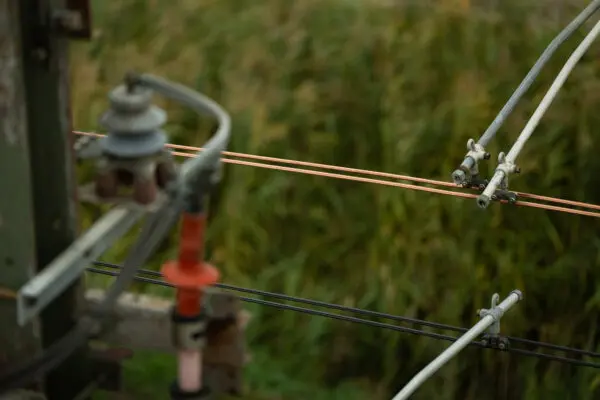
Strukton has been entrusted by Landskrona stad (the Municipality of the Swedish city of Landskrona) with the maintenance of the overhead contact line system for the city’s trolleybus network. This line is unique as it is the only remaining trolleybus route in Sweden, making the assignment both distinctive and important for sustainable urban transport.
The contract will run from 1 May this year until December 2027, ensuring reliable operation and safety for this environmentally friendly mode of transport.
By maintaining this critical infrastructure, Strukton continues to support innovative and sustainable public transport solutions across Sweden.
Railway maintenance refers to all activities required to keep rail infrastructure safe, reliable and in optimal condition. This includes tracks, switches, overhead lines, sleepers, ballast, power supply, cables, ducts and signalling systems. Routine inspections and major renewal activities such as rail grinding, tamping and ballast maintenance are essential to ensuring long‑term track performance. Asset management plays a crucial role in rail maintenance.
The purpose of railway maintenance is to ensure the safety of passengers and train operations, prevent failures and delays, extend the lifespan of rail assets and avoid costly repairs by resolving issues early. Maintenance is vital for keeping high‑usage rail networks reliable and efficient, reducing disruptions and supporting sustainable rail operations.
Modern railway maintenance combines condition monitoring, inspection data, advanced algorithms and expert domain knowledge to support data‑driven decision‑making. Digital tools and predictive analytics help maintenance teams detect issues earlier, schedule interventions more effectively and continuously improve the maintenance cycle. These approaches are increasingly adopted across Europe to boost reliability and reduce unplanned downtime
Maintenance priority is determined using asset condition models and long‑term asset management strategies. This enables companies and railway managers to forecast the future state of critical rail components, helping planners intervene at the optimal moment. Intelligent asset‑management systems make it possible to compare scenarios, estimate remaining service life and plan renewals efficiently based on operational needs and strategic investment priorities.
Because European rail networks are heavily used, maintenance is often carried out during night‑time or weekend possessions when fewer trains are running. High‑traffic lines require carefully planned maintenance windows to minimise service disruptions while ensuring infrastructure remains safe and in good condition.
Safety is maintained through strict operational procedures in combination with modelling and prioritisation based on asset criticality. Intelligent asset management and real‑time monitoring technologies help identify risks at an early stage and ensure trains can continue to operate safely. These systems support long‑term investment planning and maintain the reliability of the rail network.