





Signalling and Telecom Works at Stockholm Central Station
News
09 February 2026
Read the article
Date
09 February 2026
Expertises
Strukton has been entrusted by Infralink to deliver signal and telecom works as part of the extension of Platform 6 at Stockholm Central Station. The client for the project is the Swedish Transport Administration (Trafikverket), and the work is scheduled for completion in December 2026.
Stockholm Central is one of Sweden’s busiest railway hubs and forms an essential part of the Trans-European Transport Network (TEN‑T). Due to its strategic importance, Strukton will approach the assignment with great responsibility and commitment
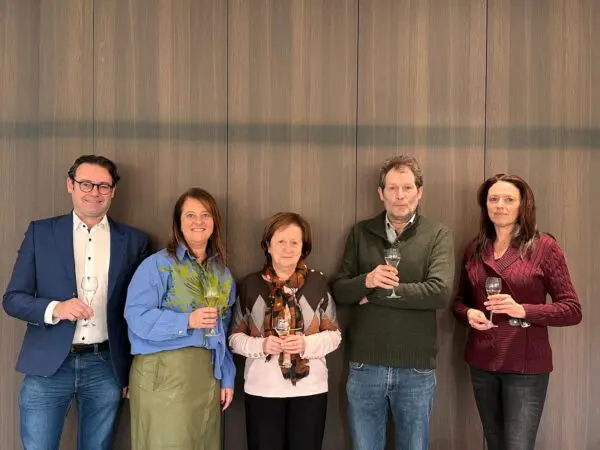
“ It is with great respect that we take on this project at Stockholm Central. We thank Infralink for their trust and look forward to a good collaboration.” Pia Peurala, district manager
The project highlights Strukton’s continued contribution to strengthening critical railway infrastructure in Sweden, ensuring safe and efficient transport flows at one of the country’s most significant stations.
Stations function as multimodal mobility hubs, where pedestrians, cyclists, buses, trams, taxis, trains and commercial activities converge. This density of movements requires careful planning, integrated construction phasing and coordination across many disciplines to maintain safety and accessibility. Station projects often involve platform reconstruction, track works, switches, overhead lines, underground structures, commercial areas and public‑space upgrades all at once
Working in a live station environment requires holistic and precisely synchronised planning. Multidisciplinary teams coordinate construction windows, material deliveries, rail possessions and stakeholder activities to minimise disruption to passengers and train services. This approach is used widely in complex rail environments across Europe, where rail contractors must maintain availability while executing renewal and upgrade works
Station upgrades typically combine civil engineering, rail systems, structural works, cable and pipeline installation, telecom systems, travel‑information systems, platform construction, underpasses and bicycle parking. Integrating these disciplines under one coordinated framework reduces delays, prevents spatial conflicts and improves safety. Rail infrastructure specialists with Short Line, Rail‑Civil and engineering units routinely apply this integrated method in complex environments.
Advanced tools like BIM, 3D reality models, digital asset mapping and rail‑data systems support accurate planning, clash detection and risk reduction. These technologies allow teams to simulate construction stages, coordinate disciplines, and maintain rail operations more effectively. European rail organisations increasingly use digital models to ensure safe, sustainable and predictable delivery of infrastructure upgrades.
Sustainable station construction uses circular and recycled materials, optimised soil management and energy‑efficient construction methods. Rail organisations like Strukton also invest in low‑emission equipment, recycled contact wires, and sustainable construction logistics to reduce their carbon footprint. Many civil and rail contractors apply environmental management procedures to lower noise, emissions and waste during work in dense urban stations.
Railway construction in European urban areas faces several challenges, including limited space, strict environmental regulations and the need to manage noise and vibration in line with European rail standards. Complex public transport networks, high population density and the demand for uninterrupted urban mobility add further constraints.
The cost of constructing a new railway line in Europe depends on several key factors, including route length, local geography, environmental requirements and the complexity of the surrounding rail infrastructure. Prices can range from several million to hundreds of millions of euros, depending on whether the project involves urban environments, tunnels, bridges or upgrades to existing public transport networks.
Strukton delivers tailored railway engineering solutions and provides expert advice on cost optimisation through smart design, efficient project planning and sustainable construction techniques. By applying innovative technologies and meeting European rail standards, we help clients reduce lifecycle costs while ensuring reliable, future‑proof transport connections.