





To main content To navigation

Strukton Innovation Festival

View all Articles
Strukton Innovation Festival

Date

31 October 2025

Expertise

Sustainability

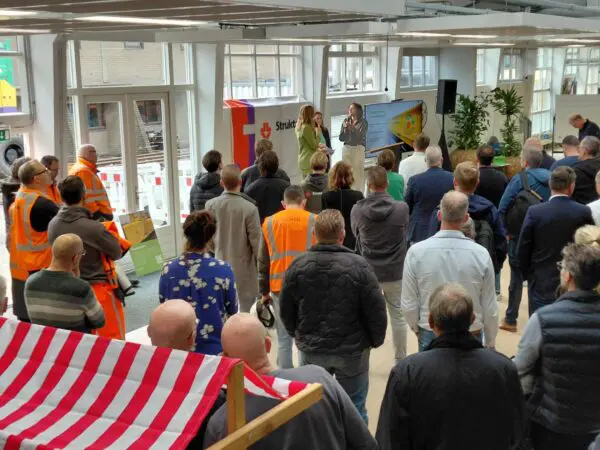
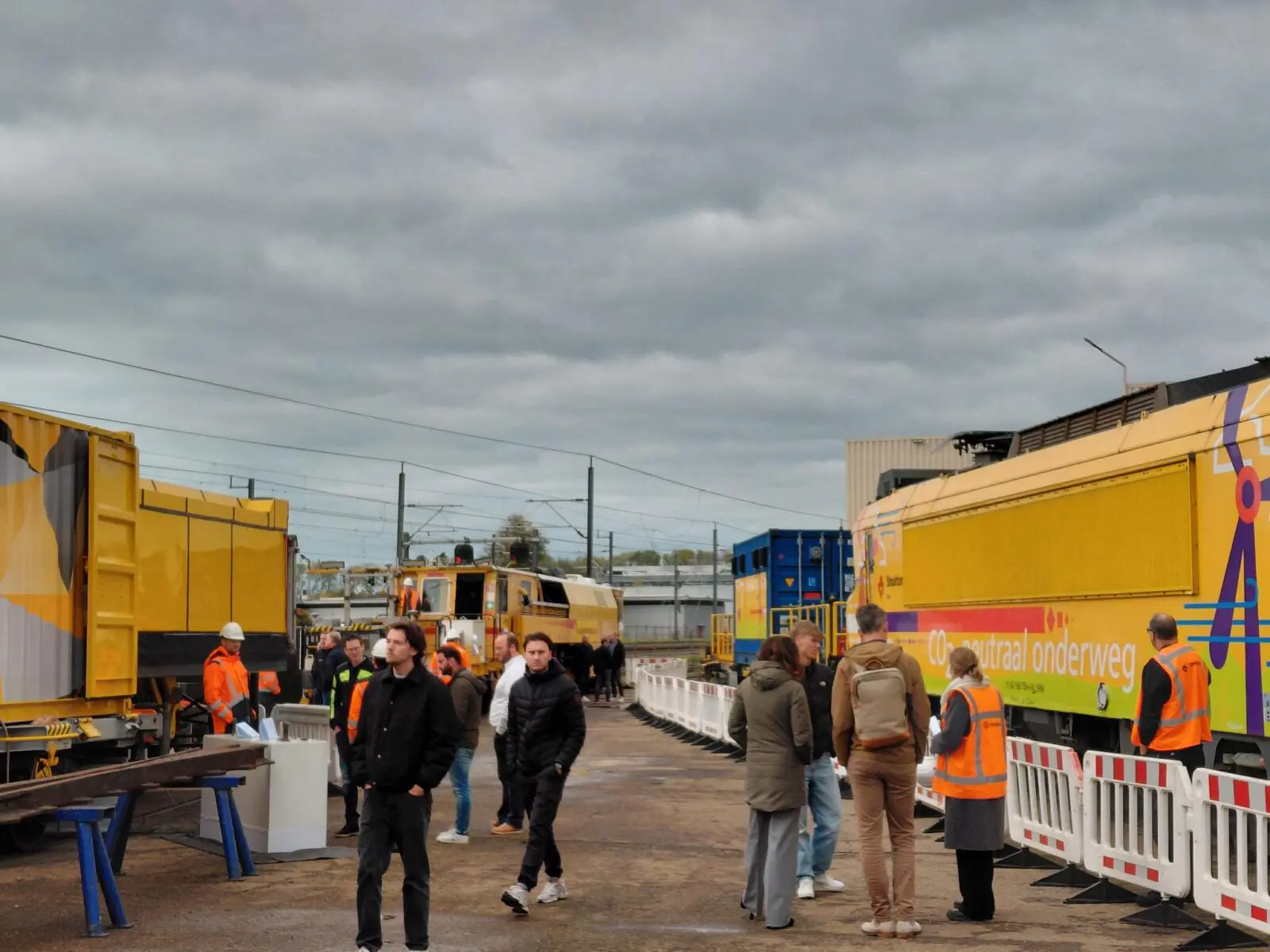
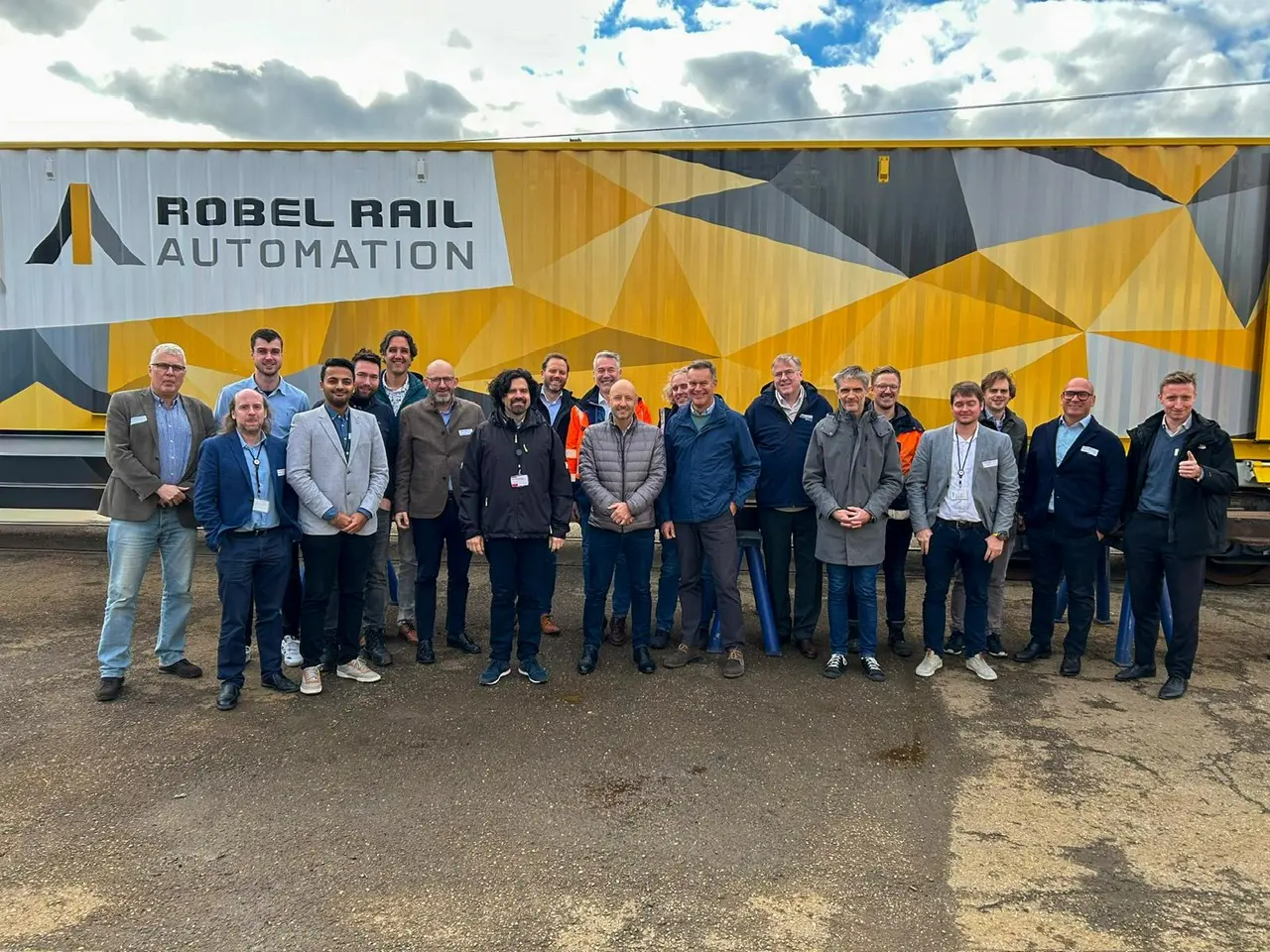
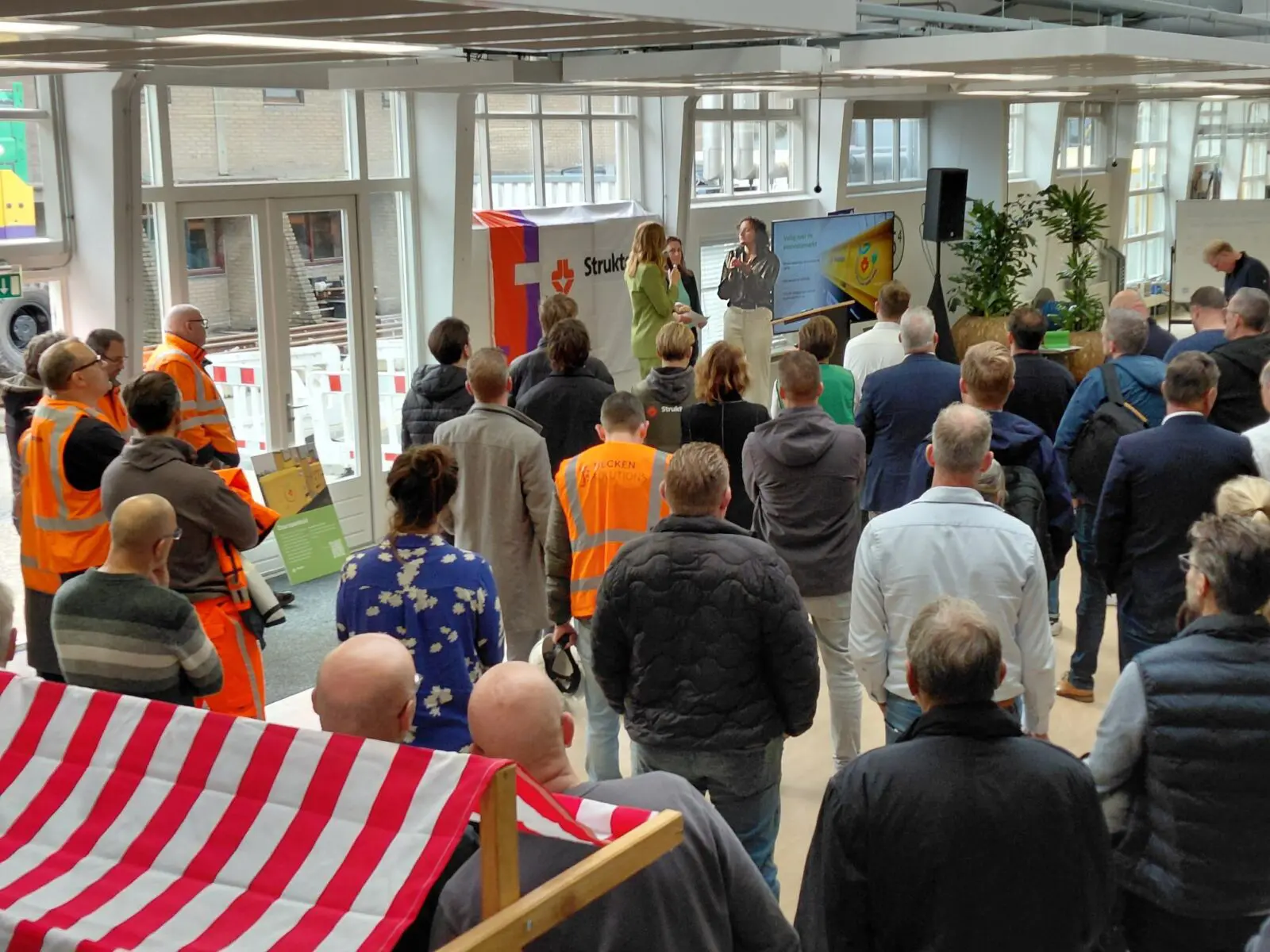
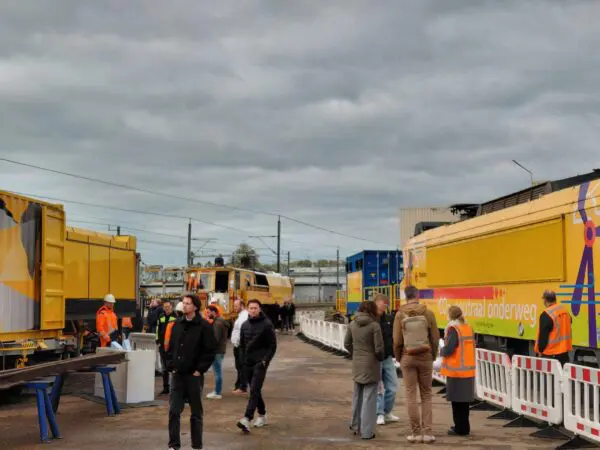
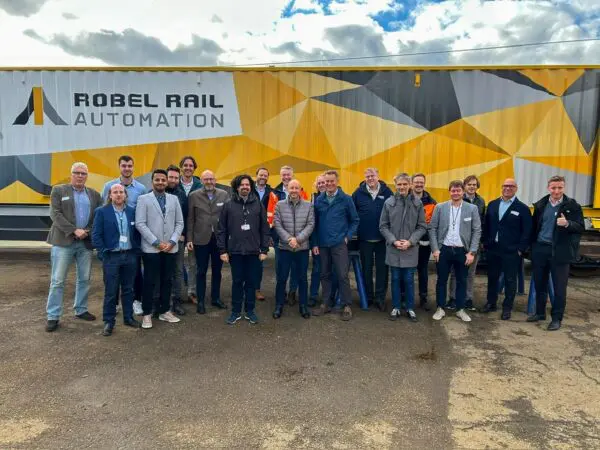
Strukton Rail puts robotics and sustainability at the heart of European collaboration. On Thursday, October 30, our headquarters in Utrecht hosted a series of inspiring sessions and demonstrations. Together with international partners, we explored the future of railway infrastructure within the framework of European cooperation, including the Europe’s Rail program.

In addition to the thematic session on robotics and mechanization, Strukton hosted several other activities, such as a sustainability festival and a sector meeting with Dutch stakeholders.

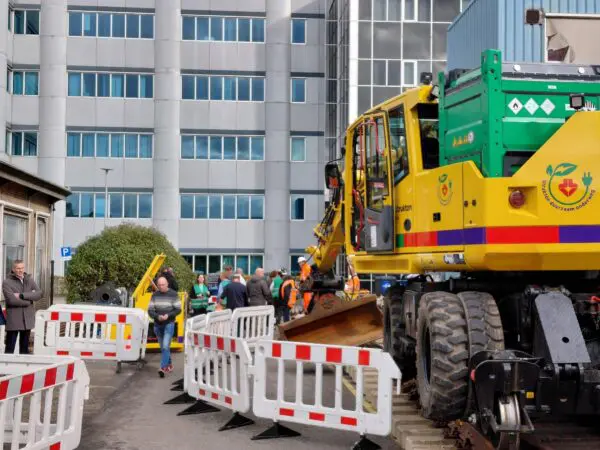
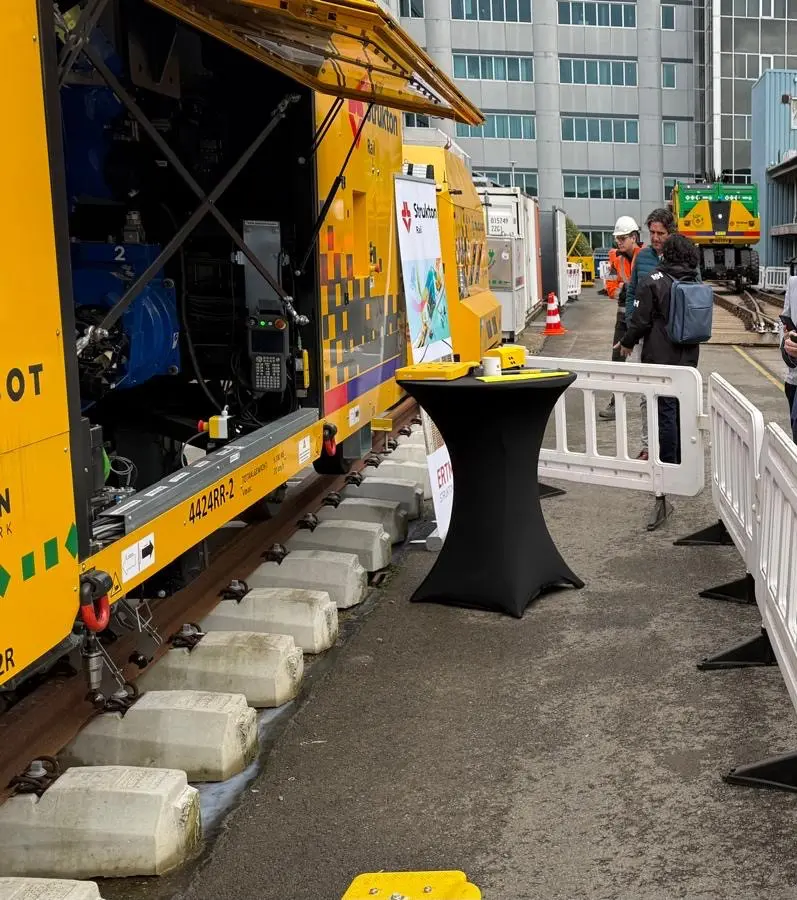
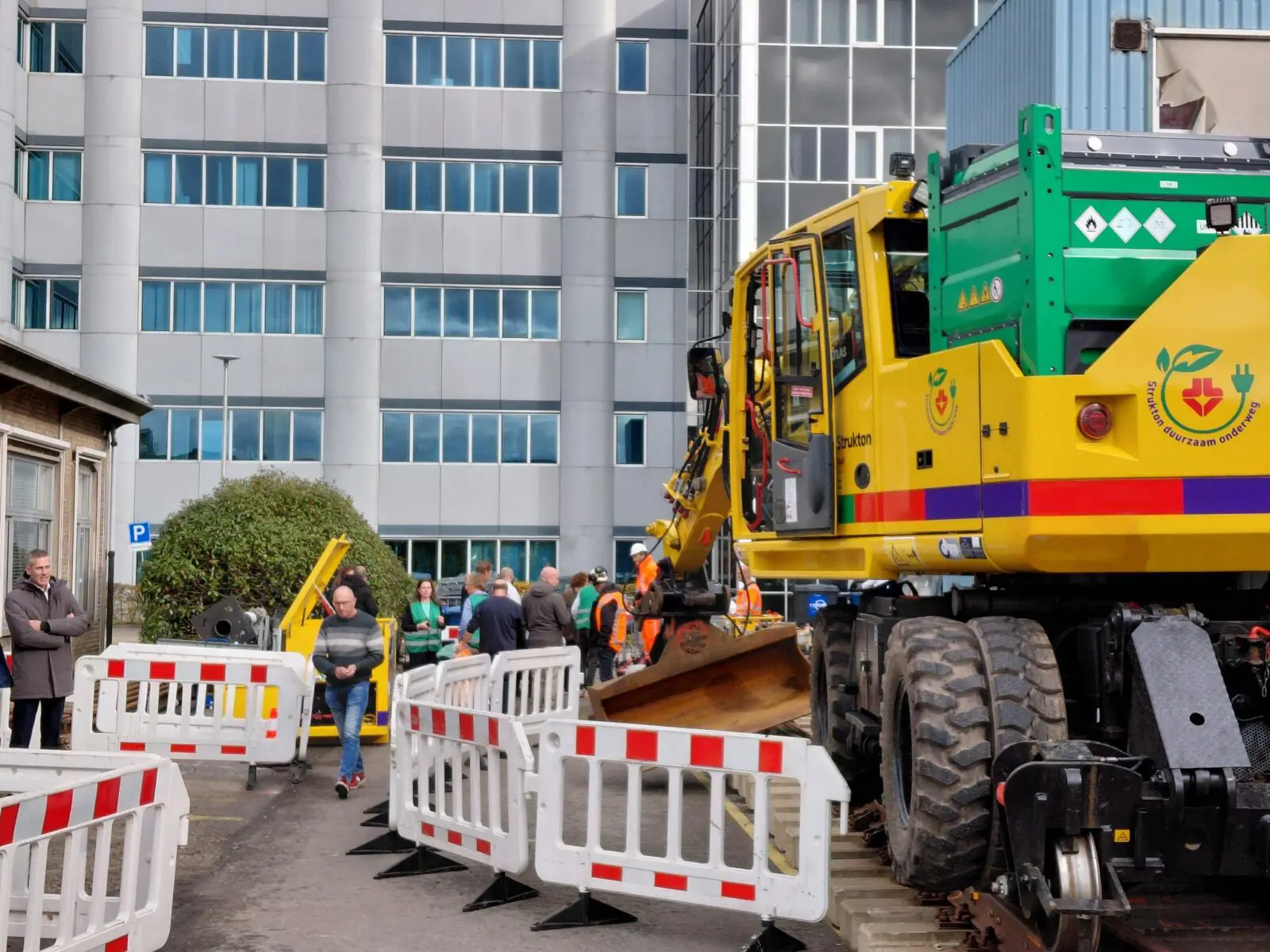
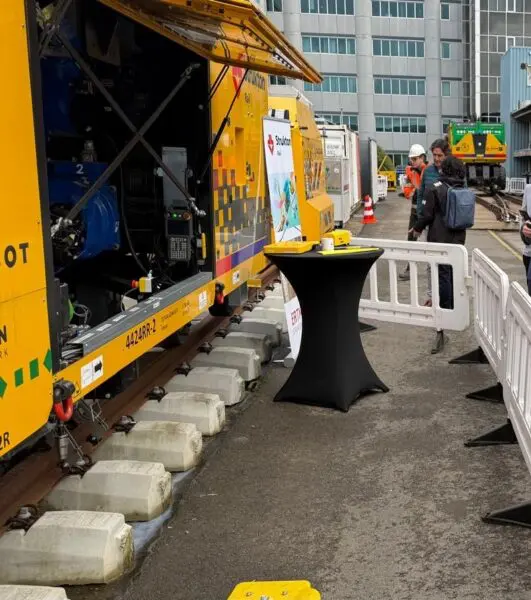
With so many guests, we took the opportunity to showcase a range of innovations. Visitors had plenty of chances to see key technological developments, including:

  • ERTMS Trackbot: an advanced installation robot for balises and axle counters, supported by the ASAP-ERTMS program and Europe’s Rail through the IAM4RAIL project
  • Leonardo measurement train: a platform for digital inspection and data visualization, also part of the IAM4RAIL project
  • Robel welding robot
  • Various sustainable innovations, including our battery-powered locomotive

This day was not only an important kick-off for greater focus and collaboration on robotics, but also highlighted the need for strategic cooperation across the sector. Europe’s Rail plays a key role in this effort, with the ambition to continue within a similar framework to the current Joint Undertaking.

We will soon publish the outcomes of our discussions with European partners, sharing joint ambitions and next steps.

Participating organisations: Voestalpine Track Solutions, SNCF, ProRail, Haskoning, CEIT, Acciona, TU Delft, Robel Rail Automation, DNV, AMT, SERSA Rhomberg, Europe’s Rail, The Synergy Hub.
Frequently asked questions

Find answers to frequently asked questions here.

What does sustainability mean in the rail and civil infrastructure sector?

Sustainability in rail and civil engineering focuses on reducing environmental impact across the entire lifecycle of infrastructure. This includes using emission‑free equipment, circular and recycled materials, and designing assets with a longer lifespan and lower maintenance requirements. Reusing structural components—such as circular viaduct beams or recycled copper contact wires for overhead lines—significantly reduces CO₂ emissions while conserving valuable raw materials.

How can CO₂ emissions be reduced in infrastructure projects?

CO₂‑reduction is achieved through a combination of clean construction methods and material innovation. Key strategies include:

  • Deploying zero‑emission machinery such as electric cranes, electric rail‑road vehicles (Krols), electric vans and battery‑powered locomotives.
  • Integrating circular concrete, geopolymer concrete, and recycled materials to lower embodied carbon.
  • Collaborating across the supply chain — from client to contractor to materials supplier — to scale circular and low‑carbon solutions.

These measures not only reduce carbon emissions but help create more resilient, future‑proof infrastructure.

Which sustainable innovations are being used in modern rail and civil engineering projects?

Infrastructure projects increasingly rely on advanced sustainable technologies, such as:

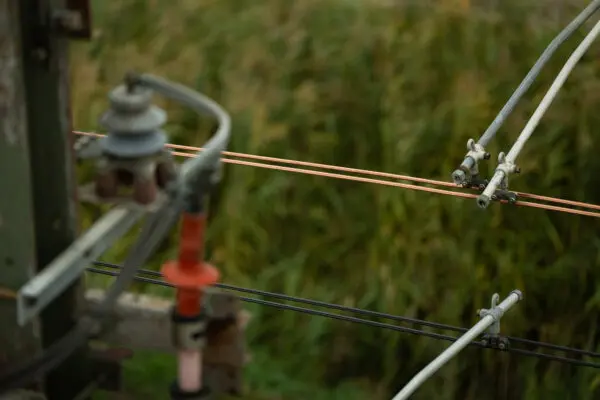
  • 100% recycled copper contact wire, reducing CO₂ emissions by up to 92%.
  • Geopolymer concrete, offering 50–80% CO₂ savings compared to traditional mixes.
  • Electric and battery‑powered locomotives for maintenance and logistics.
  • Circular overhead‑line foundations and poles made from low‑impact concrete.
  • The Energy Bank, an innovative click‑and‑go substation that captures and reuses regenerative braking energy.
  • Circular viaduct and bridge concepts, enabling reuse instead of demolition.

These innovations drive measurable environmental benefits throughout the asset lifecycle.

What is zero‑emission equipment in infrastructure construction?

Zero‑emission equipment refers to machinery that operates without producing exhaust gases, typically powered by electricity or batteries. Examples include:

  • Electric locomotives and battery locomotives
  • Electric cranes and rail‑road (Krol) vehicles
  • Electric vans and support vehicles

This equipment eliminates local emissions, improves air quality around work sites, reduces noise pollution and helps clients comply with increasingly strict sustainability requirements.

What does the future of sustainability in infrastructure look like?

By 2050, the infrastructure sector aims to be fully climate‑neutral. This future includes:

  • A robust, climate‑resilient infrastructure network designed for extreme weather.
  • A fully emission‑free construction fleet.
  • Circular material chains where components are reused at scale.
  • Rail as a leading sustainable mobility system, supported by smart energy management and low‑carbon construction methods.
  • Infrastructure that integrates nature, supports biodiversity and ensures safe mobility for everyone.

The transition is already underway, driven by innovation, collaboration and long‑term thinking.

Also read these articles

Previous slide
Next slide