





Renovation of Bridge and Lock Control Systems in Full Swing
Stories
23 November 2025
Read the article
Date
23 November 2025
Expertise
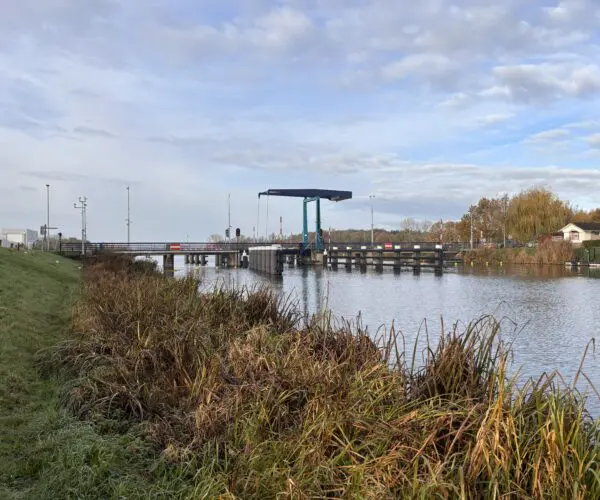
Strukton Systems is carrying out a major modernisation project commissioned by the Rijn en IJssel Water Board and BUHA. We are renewing the electrical control systems of nine movable bridges and two locks along the Oude IJssel river in the Netherlands. Once complete, all bridges and locks will be operated remotely from two centralised control stations, making them safer, more efficient and ready for the future.
The existing systems have served reliably for many years but are now outdated and no longer meet today’s standards for safety, maintainability and cybersecurity. By introducing the latest technology, we are creating a uniform, future-proof control environment that improves reliability and enables smarter, centralised operation.
Our scope is extensive and includes:
We are also setting up new control stations, which will become the operational heart of the network. The first temporary control unit will go live in December, ensuring continuity during phased conversions.
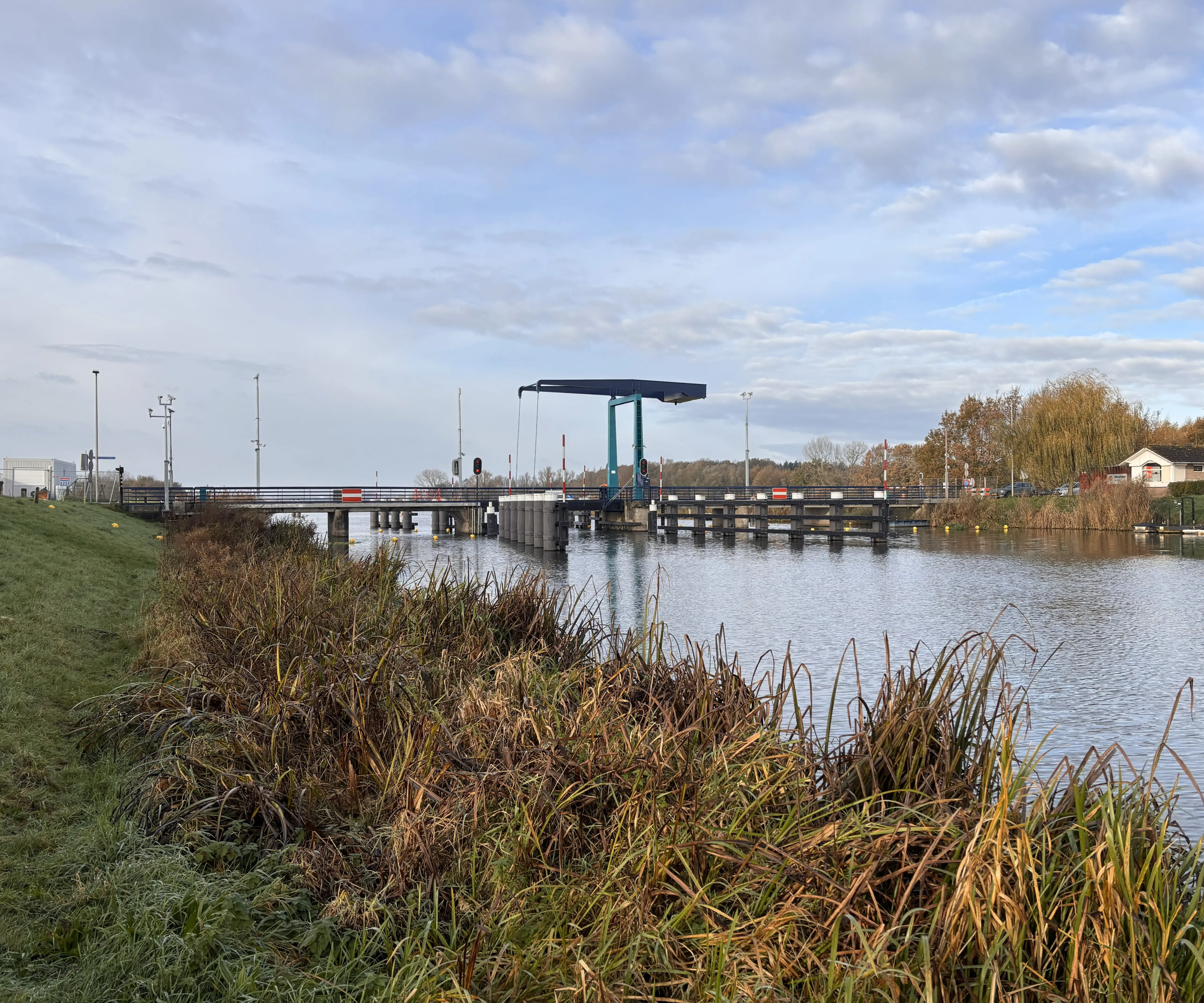
Because these are existing bridges and locks, we plan and execute the work in phases to keep them operational as much as possible. Extensive testing and validation ensure safety and reliability throughout the process.
When the project is complete, all 11 structures will be fully integrated into two modern control centres, ready to serve the region for decades to come.
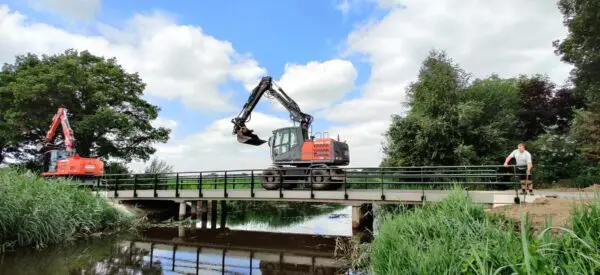
Ageing bridges can be reinforced using composite strengthening systems such as SUREbridge, which places a lightweight FRP composite panel onto the existing concrete deck. This method increases load‑bearing capacity, extends service life by up to 50 years, shortens construction time and avoids demolition, lowering CO₂ emissions by around 50%.
Current sustainable bridge‑building practices include the use of high‑strength concrete, recycled and circular structural beams, and composite panels that minimise the need for new raw materials. Circular approaches — such as reusing beams and strengthening existing structures instead of replacing them — significantly reduce waste, transport movements and environmental footprint. SUREbridge, for example, limits the use of primary materials and enables lightweight installation with minimal environmental impact.
Techniques like prefabricated composite deck overlays, fast‑curing strengthening systems and modular construction minimise on‑site work and reduce noise, traffic disruption and construction time. SUREbridge, for instance, avoids demolition and can be installed in just a few weeks, reducing inconvenience to road users and nearby residents.
Movable bridges rely on advanced bridge‑control and monitoring systems that manage mechanical movements, ensure safety interlocks, support remote operation and monitor real‑time performance. Modern systems integrate sensors, automation and fail‑safe logic to guarantee safe bridge openings while coordinating with traffic, vessels and other infrastructure elements. Many engineering firms specialising in rail and civil infrastructure provide expertise in designing, upgrading and maintaining such systems.
Railway bridges must withstand heavy axle loads, dynamic vibrations and increasing train frequencies. Important considerations include structural stiffness, fatigue resistance, long‑term durability and compatibility with electrification systems. With many European railway bridges exceeding 50–100 years of age, strengthening methods such as composite overlays, high‑strength materials and smart monitoring systems are increasingly used to extend lifespan and ensure safe operations.