





Emma Rotman
Manager Sustainability
Strukton
Date
28 August 2023
Expertise
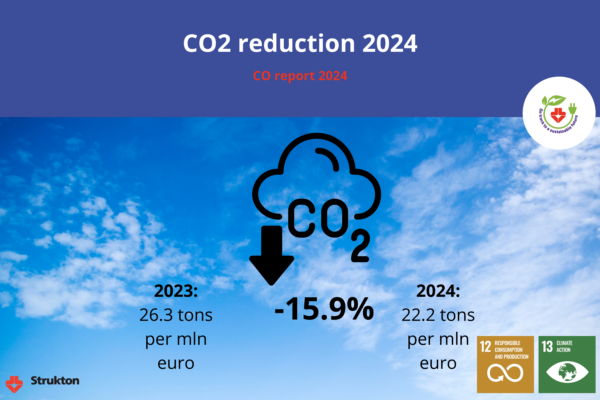
Strukton is on its way to 50% CO2 reduction in 2030 compared to 2021. Are we on track? You will read this and more in our CO2 report concerning the first six months of 2023.
The above targets are ambitious, and we are going to realise them at Strukton, with all our companies, in close cooperation with customers, suppliers and other chain partners.
The CO2 Performance Ladder helps us to head towards our targets. We have been performing according to the Performance Ladder’s highest level for many years now in the Netherlands. After Belgium, our companies in Sweden, Denmark and Italy have now joined to climb the ladder. We dare to state that this cross-border approach is quite unique. The certification method is now crossing borders!
“This cross-border approach is quite unique”
Twice a year, we report about our CO2 performance, both internally and externally. The half-year report goes into our performance in the first six months of this year. Some highlights:
We are on a sustainability journey, but have a long way to go yet.
We took a variety of measures in the first half of 2023, including:
This ánd more can be read in the CO2 report covering the first six months of 2023.
Manager Sustainability
Strukton
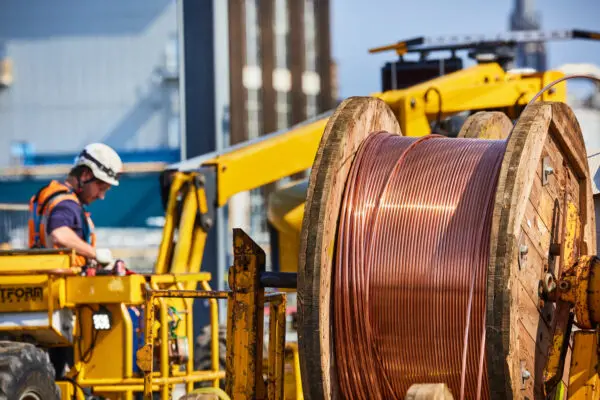
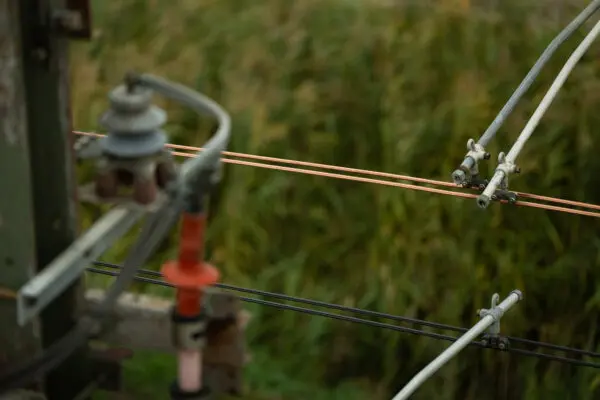
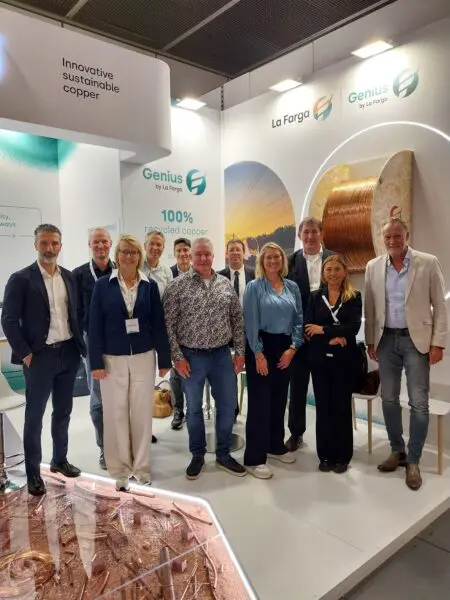
Sustainability in rail and civil engineering focuses on reducing environmental impact across the entire lifecycle of infrastructure. This includes using emission‑free equipment, circular and recycled materials, and designing assets with a longer lifespan and lower maintenance requirements. Reusing structural components—such as circular viaduct beams or recycled copper contact wires for overhead lines—significantly reduces CO₂ emissions while conserving valuable raw materials.
CO₂‑reduction is achieved through a combination of clean construction methods and material innovation. Key strategies include:
These measures not only reduce carbon emissions but help create more resilient, future‑proof infrastructure.
Infrastructure projects increasingly rely on advanced sustainable technologies, such as:
These innovations drive measurable environmental benefits throughout the asset lifecycle.
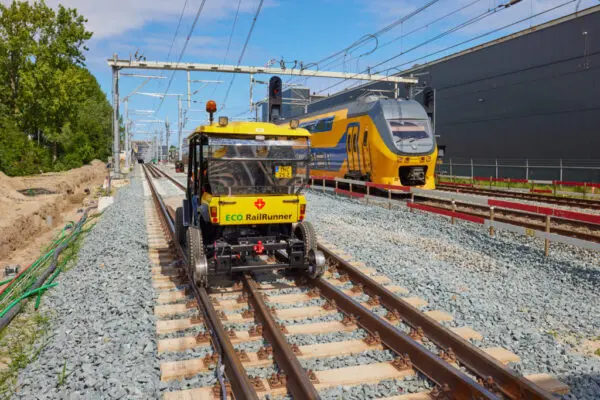
Zero‑emission equipment refers to machinery that operates without producing exhaust gases, typically powered by electricity or batteries. Examples include:
This equipment eliminates local emissions, improves air quality around work sites, reduces noise pollution and helps clients comply with increasingly strict sustainability requirements.
By 2050, the infrastructure sector aims to be fully climate‑neutral. This future includes:
The transition is already underway, driven by innovation, collaboration and long‑term thinking.