





To main content To navigation

Laatste rechte lijn voor bovenleidingswerken op bundel R in Schaarbeek

View all articles

Date

13 October 2026

Expertise

Boden – Holmsund

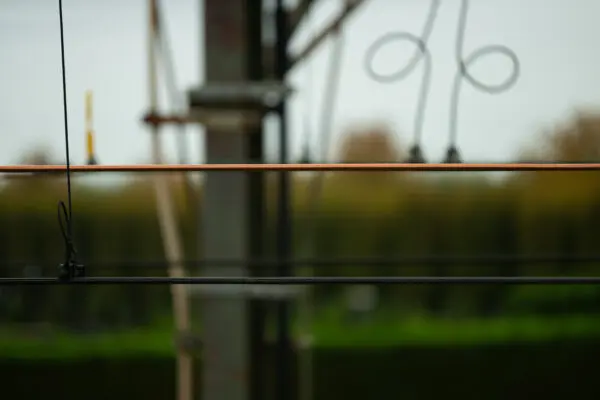
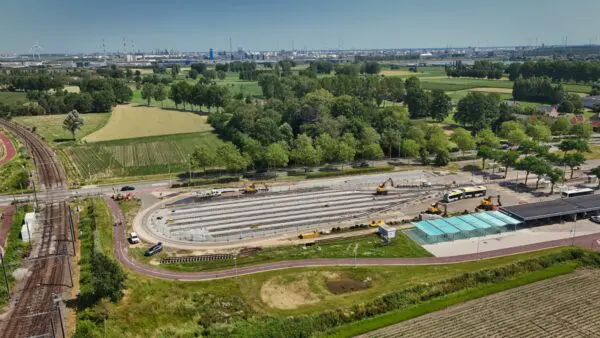
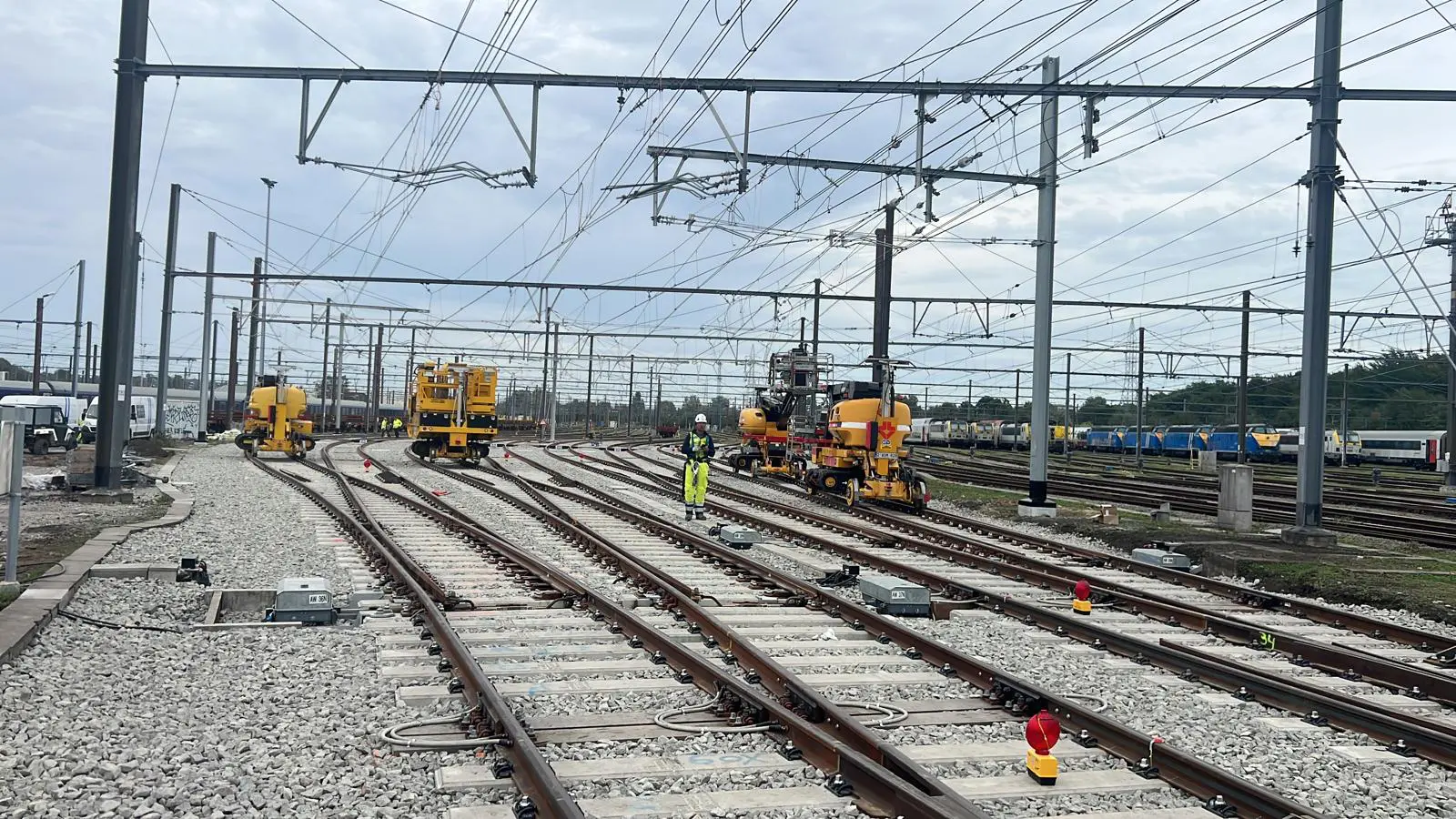
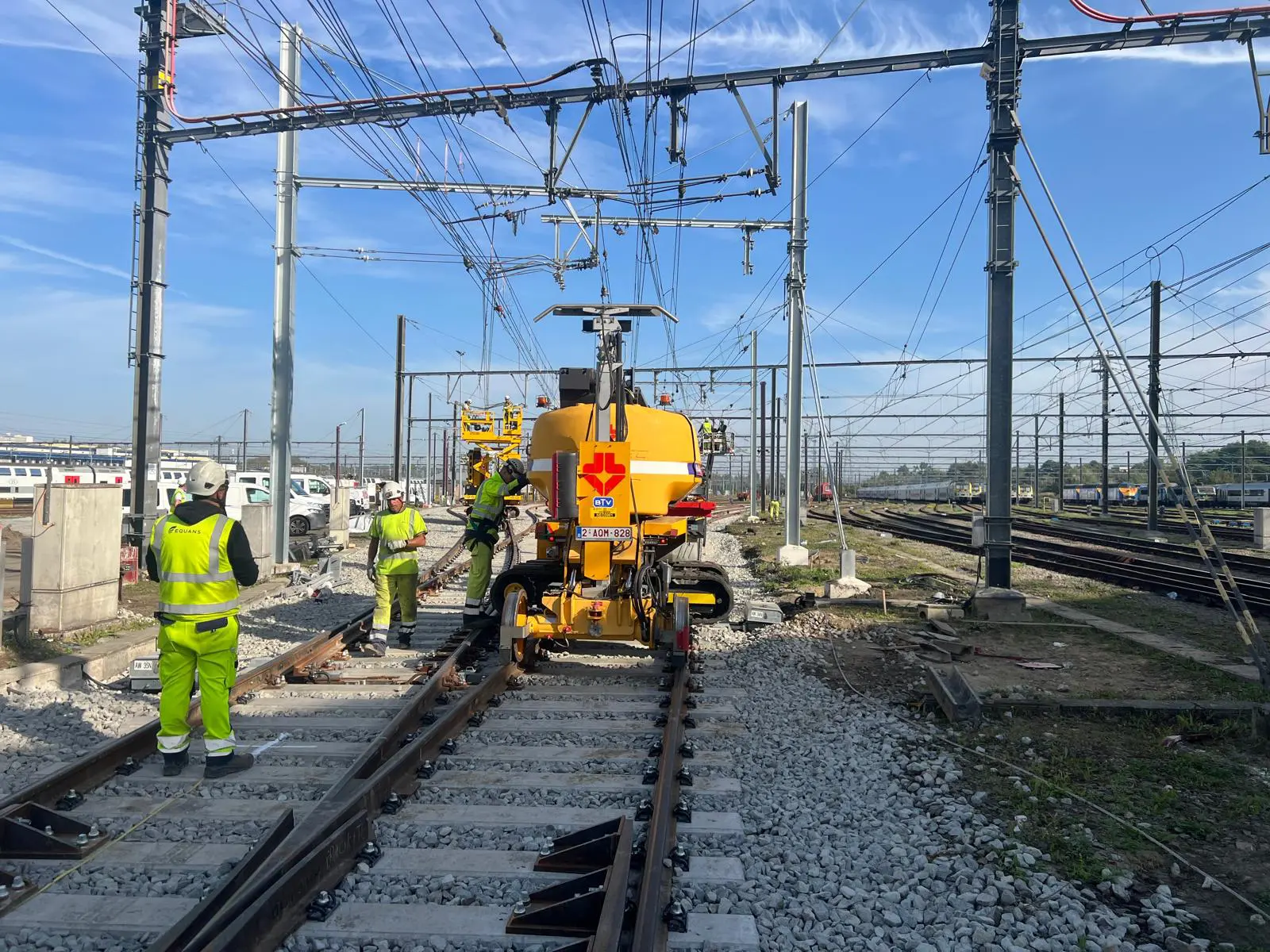
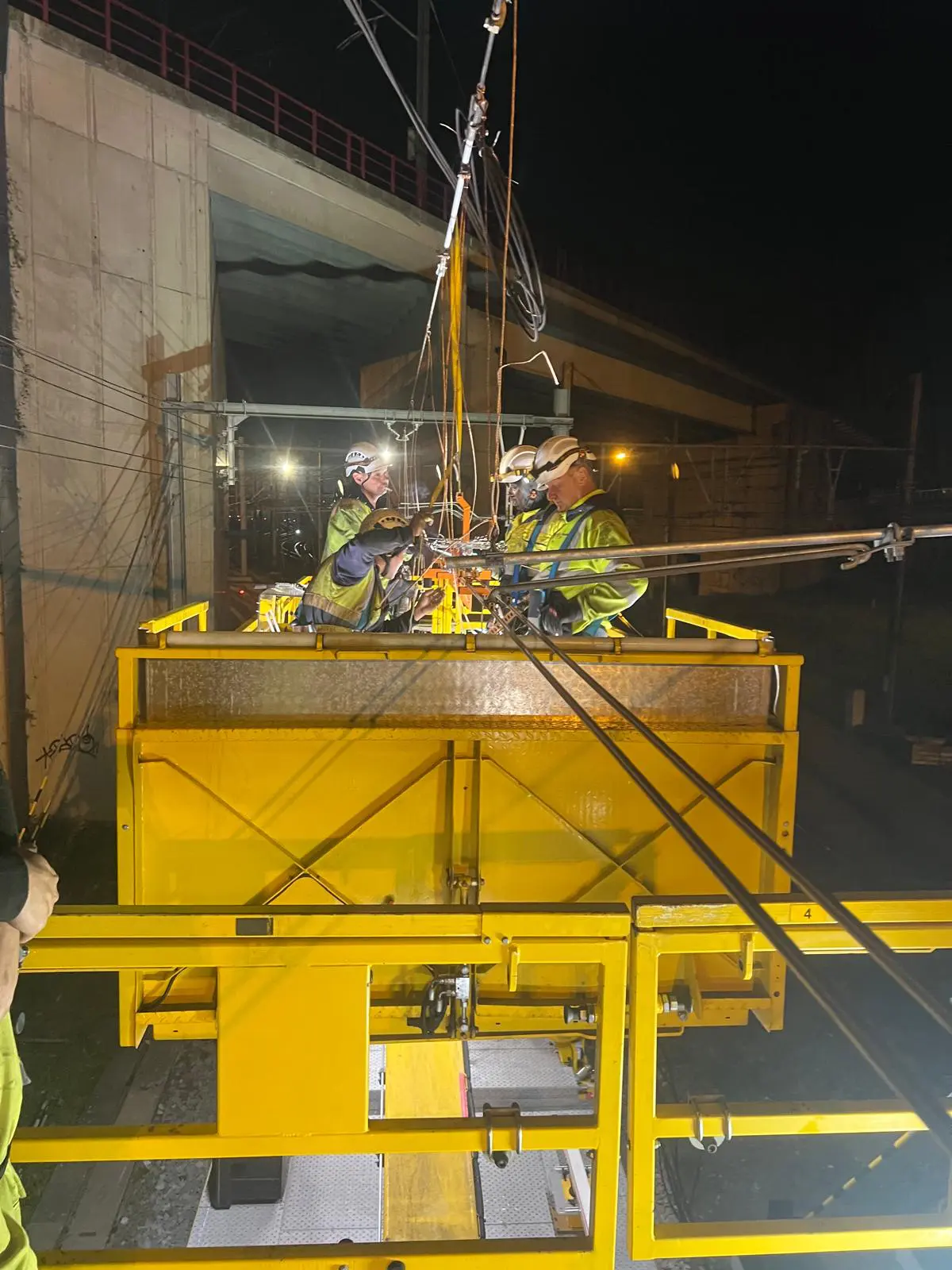
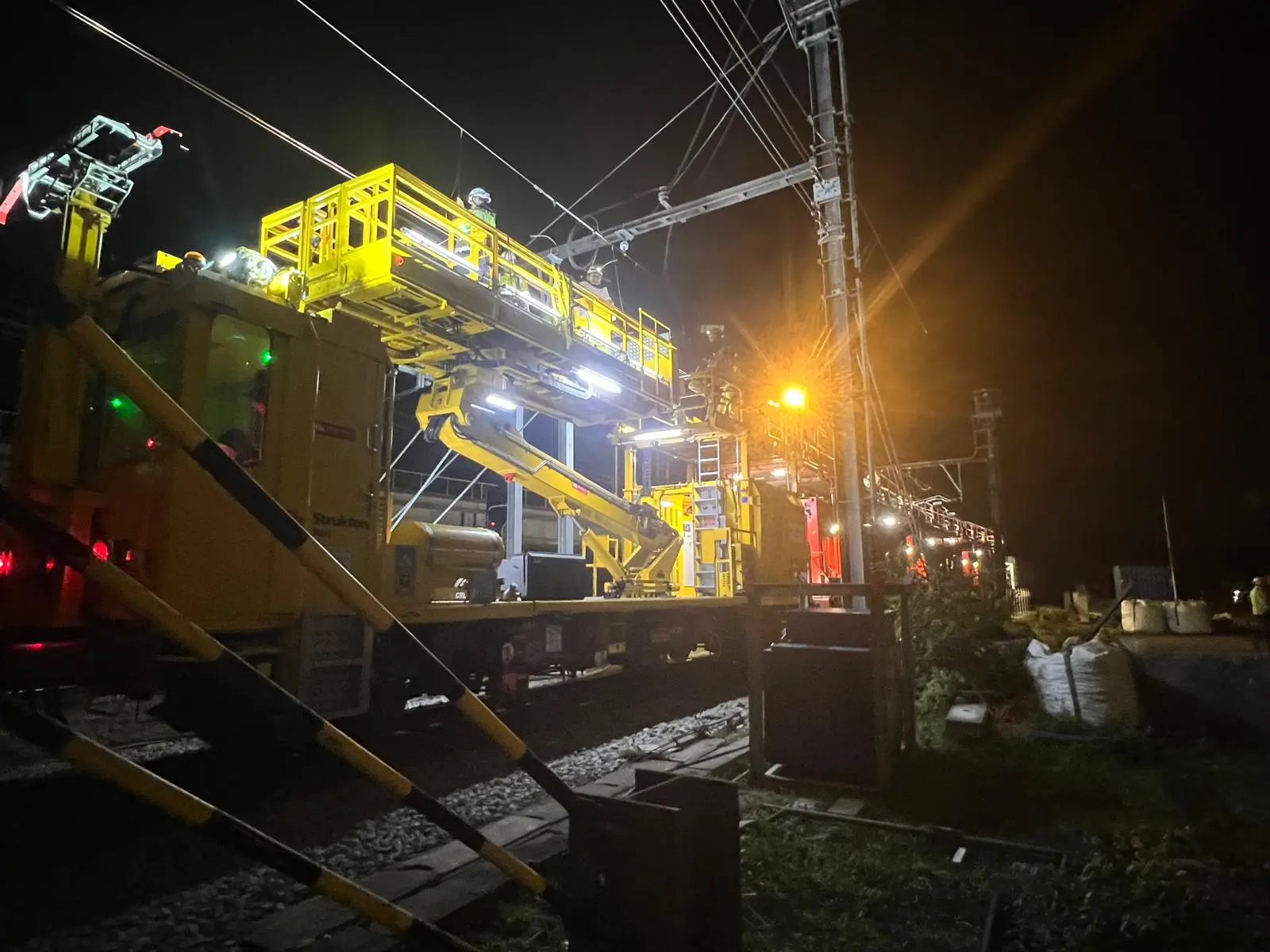
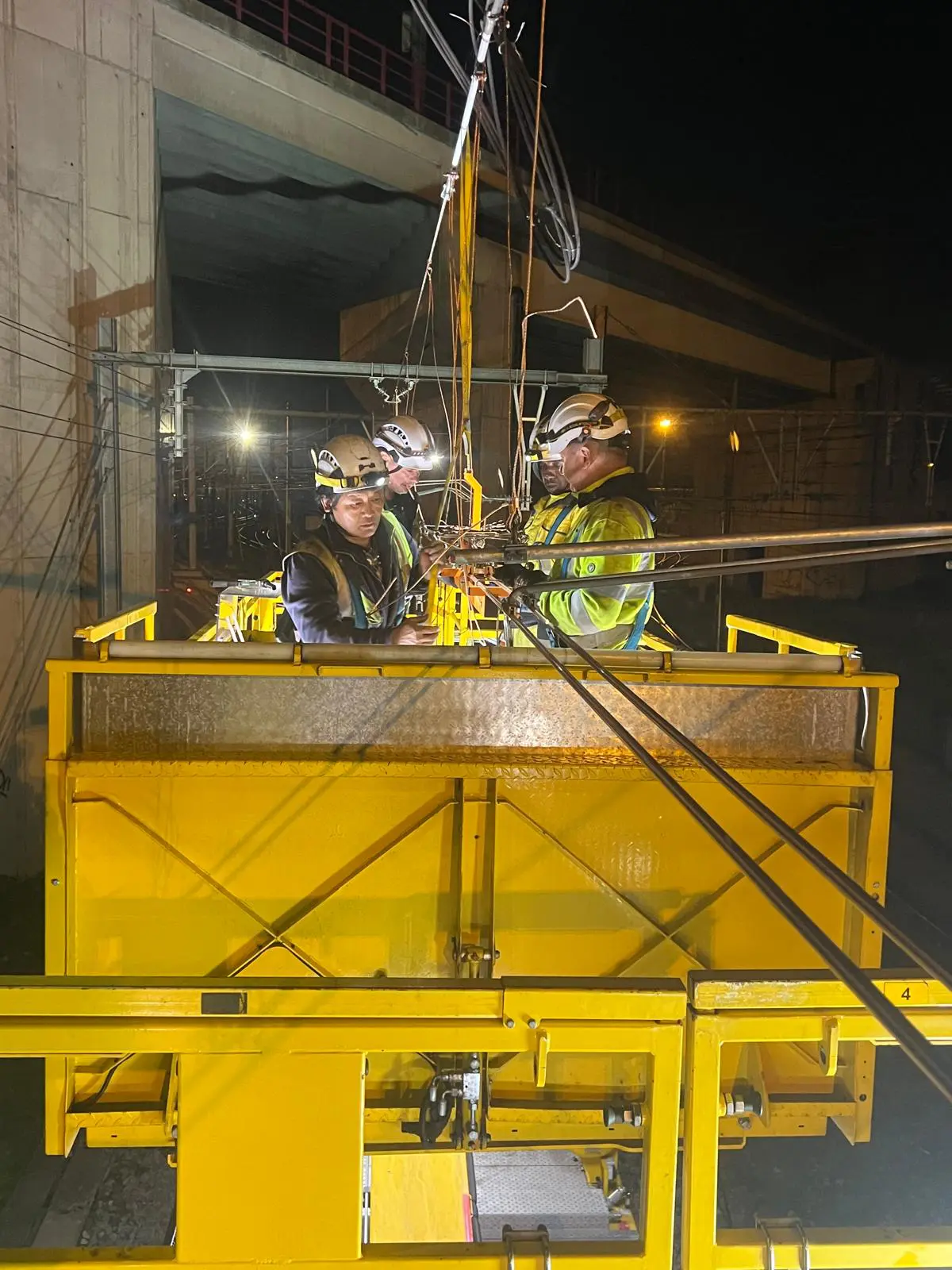
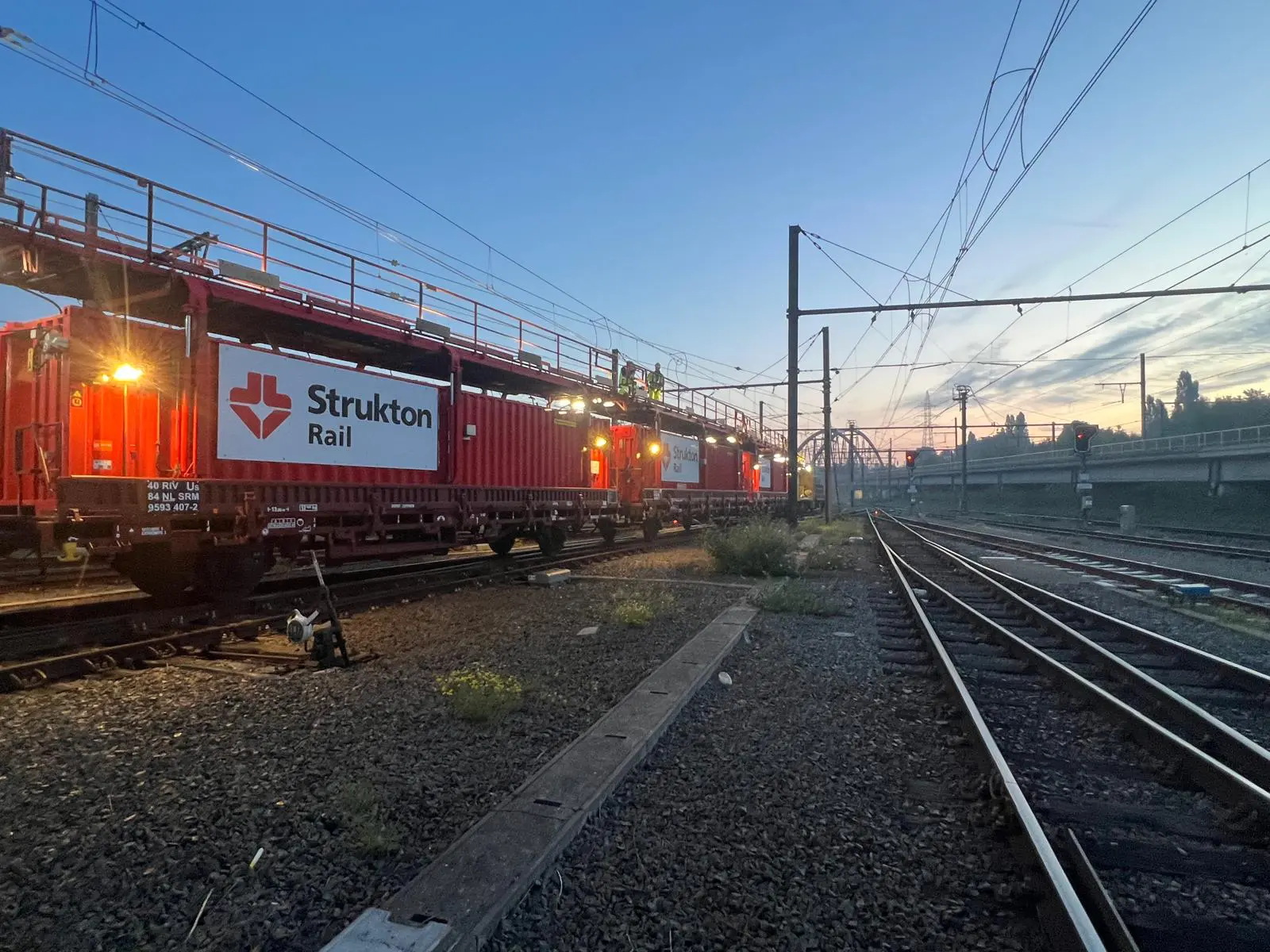
In de bundelkop Bundel R van Schaarbeek wordt volop gewerkt aan de aanpassing van de bovenleiding. Strukton Rail voert deze werken uit in een tijdelijke maatschap met Equans.

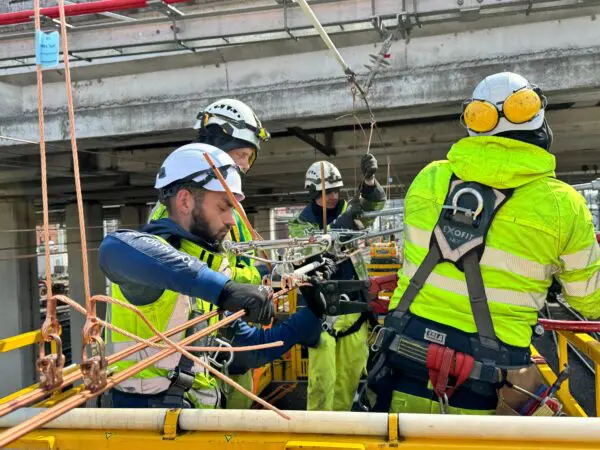
De opdracht omvat onder meer het plaatsen van nieuwe consoles, het ombouwen van bestaande constructies, het vernieuwen van ijzerwerk en dwarskabels en het aanpassen van bestaande bovenleidingen door deze in te korten of te verlengen.

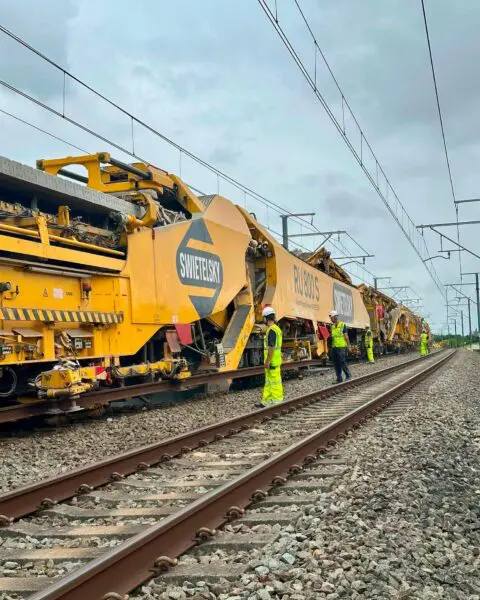
Equans staat daarbij onder meer in voor het plaatsen van de nieuwe palen, terwijl Strukton Rail de nieuwe bovenleidingen afrolt en instaat voor een deel van de rijdraadvernieuwing.

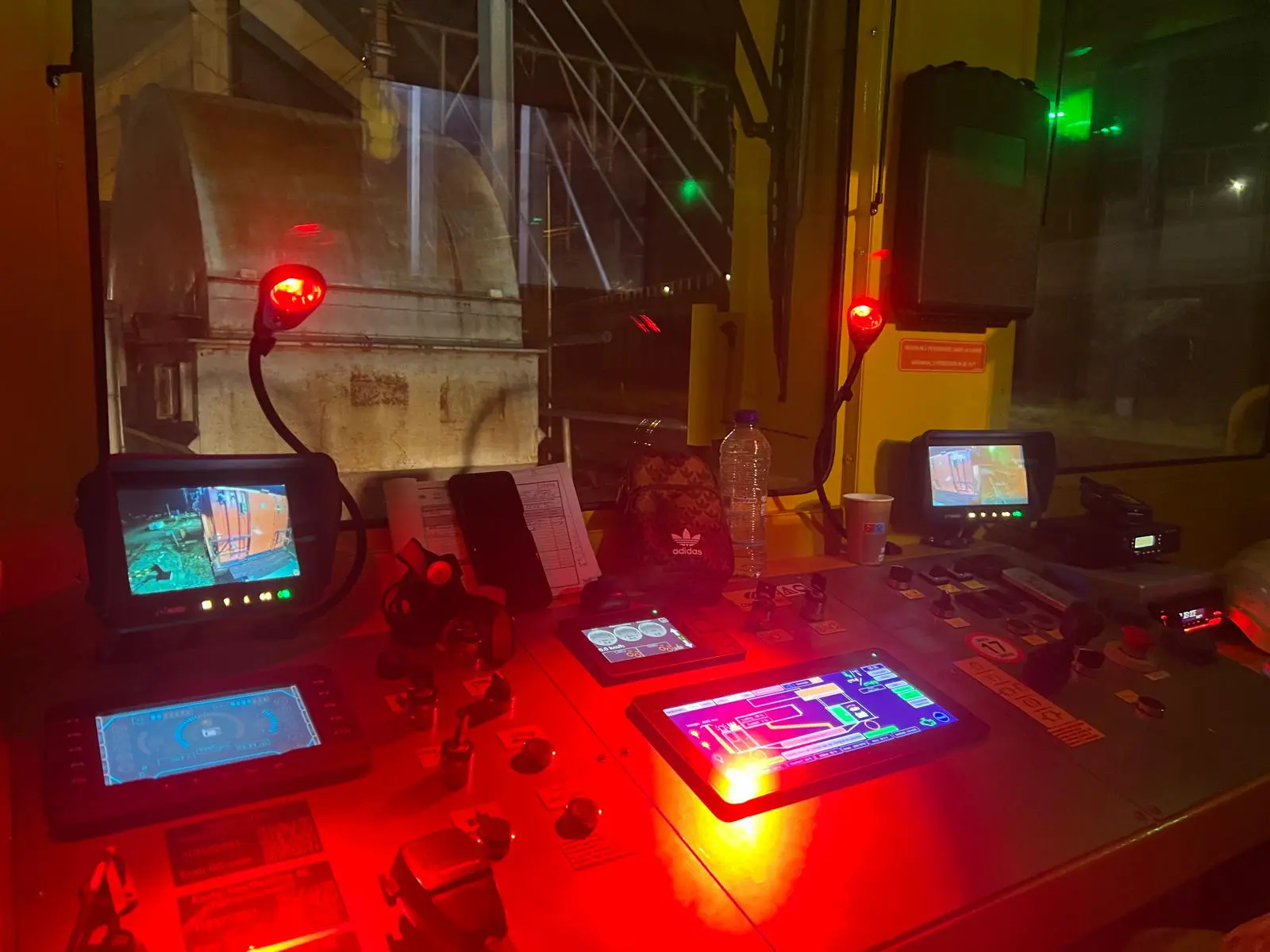
Afgelopen weekend  van 03 en 04 oktober stond volledig in het teken van een stuk rijdraadvernieuwing en het afrollen van een nieuwe bovenleiding over een lengte van maar liefst 547 meter. Een mooie technische operatie waarbij een goede voorbereiding, samenwerking en nauwkeurige uitvoering opnieuw cruciaal waren.

Hiermee komt de oplevering van bundel R stilaan in zicht. Als de omstandigheden gunstig blijven, is dit een mooie laatste rechte lijn voor Team Catenary!

Frequently asked questions

Find answers to frequently asked questions here.

What are the main challenges of railway construction in densely populated European urban areas

Railway construction in European urban areas faces several challenges, including limited space, strict environmental regulations and the need to manage noise and vibration in line with European rail standards. Complex public transport networks, high population density and the demand for uninterrupted urban mobility add further constraints.

What factors influence the cost of building a new railway line?

The cost of constructing a new railway line in Europe depends on several key factors, including route length, local geography, environmental requirements and the complexity of the surrounding rail infrastructure. Prices can range from several million to hundreds of millions of euros, depending on whether the project involves urban environments, tunnels, bridges or upgrades to existing public transport networks.

Strukton delivers tailored railway engineering solutions and provides expert advice on cost optimisation through smart design, efficient project planning and sustainable construction techniques. By applying innovative technologies and meeting European rail standards, we help clients reduce lifecycle costs while ensuring reliable, future‑proof transport connections.

How long does a typical railway construction project take?

The duration of a railway construction project in Europe varies widely, depending on the project’s scale, location and the complexity of the surrounding rail infrastructure. Smaller upgrades or maintenance works may take only a few months, while major infrastructure projects — such as new rail lines, station upgrades or urban mobility improvements — can take several years to deliver due to engineering challenges, environmental requirements and European rail standards.

Strukton ensures efficient project delivery through precise planning, integrated railway engineering and smart construction methods. By coordinating with local transport authorities and applying techniques that minimise disruption for passengers and communities, we help keep Europe’s rail networks reliable, accessible and future‑ready throughout the entire construction process.

What safety measures are required during railway construction projects?

Safety is a top priority in all railway construction projects across Europe. Construction teams must comply with strict rail safety standards, European regulations and national guidelines to ensure a safe worksite and a reliable rail infrastructure. Measures typically include the use of personal protective equipment, designated worksite barriers, controlled access zones and continuous digital safety monitoring to reduce risks around active rail lines.

At Strukton, safety is embedded in our railway engineering expertise. We apply advanced monitoring technologies, rigorous training programmes and proactive risk management to safeguard our people, our partners and the travelling public. By integrating safety into every phase of a project, we help deliver secure, future‑proof rail infrastructure throughout Europe.

What is the difference between railway construction and railway maintenance?

Railway construction involves building new rail lines, stations and other assets that expand or upgrade Europe’s rail infrastructure. This includes activities such as track installation, civil engineering works, signalling systems and the development of new corridors to support sustainable transport and growing mobility needs across European rail networks.

Railway maintenance, on the other hand, focuses on keeping existing infrastructure safe, reliable and efficient. This includes inspections, repairs, asset renewals and preventative maintenance to ensure smooth operations and compliance with European safety and performance standards.

Strukton provides both railway construction and rail maintenance services, combining advanced engineering, digital monitoring technologies and lifecycle‑based asset management. This integrated approach helps keep rail networks across Europe in optimal condition while supporting future‑proof mobility solutions.

What materials are used in modern railway construction?

Modern railway construction in Europe relies on high‑performance and durable materials that meet strict European rail standards for safety, sustainability and long‑term performance. Typical components include high‑grade steel rails, reinforced concrete sleepers, copper contact wires for overhead line systems and high‑quality, sustainably sourced ballast for track stability.

To support Europe’s shift towards sustainable and circular rail infrastructure, Strukton prioritises low‑maintenance, recyclable and long‑life materials. By applying circular construction principles and selecting components that minimise material consumption and maintenance needs, we help extend the lifespan of railway assets and reduce the environmental footprint of rail infrastructure projects across Europe.

What is the innovative ERTMS Trackbot used in digital rail modernisation?

The ERTMS Trackbot is Strukton’s robotic solution designed to mount balises and axle counters efficiently and safely on sleepers and rails—components essential for ETCS operation. With tens of thousands of balises and over twenty thousand axle counters required for ERTMS rollout in the Netherlands alone, the Trackbot automates this repetitive, physically demanding work and helps speed up deployment.

Also read these articles

Previous slide
Next slide