





Emma Rotman
Manager Sustainability
Strukton
Date
06 April 2023
Expertise
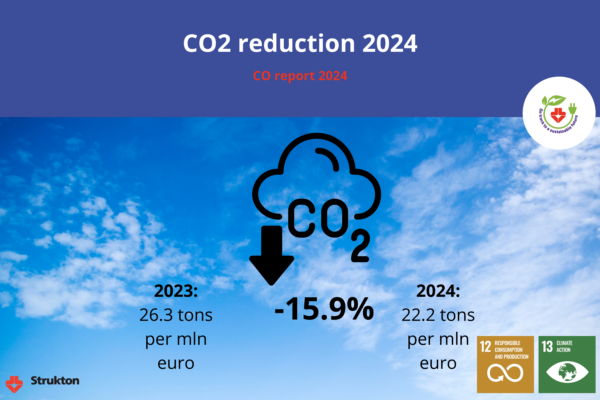
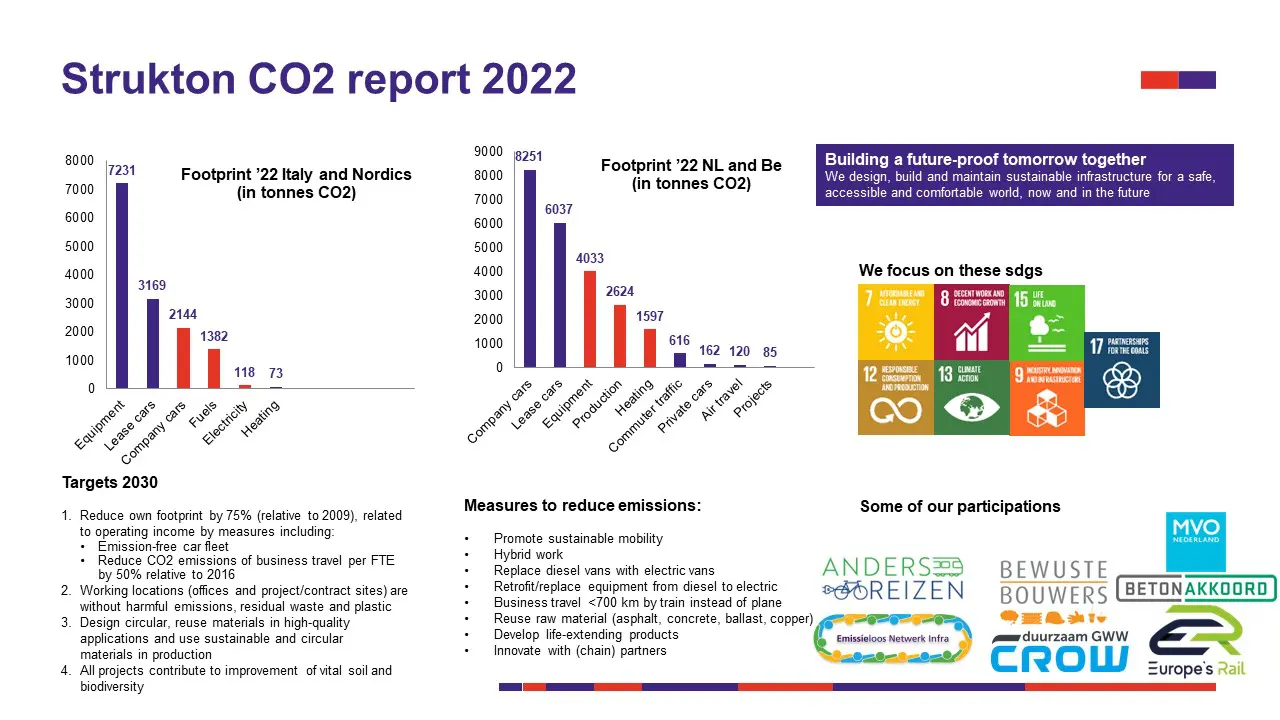
In 2022, the main steps to reduce CO2 emissions were made in mobility (we are increasingly driving electric cars), in our production (closing an asphalt production unit had impact in particular) and with our machines & equipment (also portfolio company Terracon’s machines have transferred to biofuels).
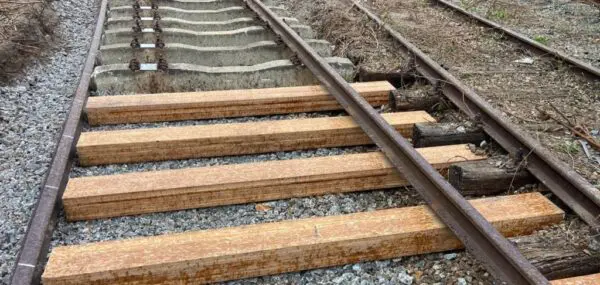
We are active with reduction measures at company level and at project level. Several long-term projects have charging stations and bicycles (e.g. in Groningen and Delft-Rijswijk) and we facilitate overnight stays at hotels. We reuse materials where possible. Some examples: We have reused parts of switches from the Amsterdam Dijksgracht project in our maintenance contract PGO De Wadden, the focus in the project for water authority Noorderzijlvest is on circularity and Strukton Rail Short Line gives rails, sleepers, ballast or other parts a second life.
Initiatives we take together with our chain partners to reduce emissions in the chain are at least as important as reducing our own emissions. We actively participate in the Coalition Anders Reizen (Travel Differently, have initiated the chain dialogue Sustainable Railways in the Netherlands (Duurzaam Spoor), are friends of Groene Koers (Green Course) and take part in the Emissieloos Netwerk Infra (Emission-free Network Infra).
Manager Sustainability
Strukton
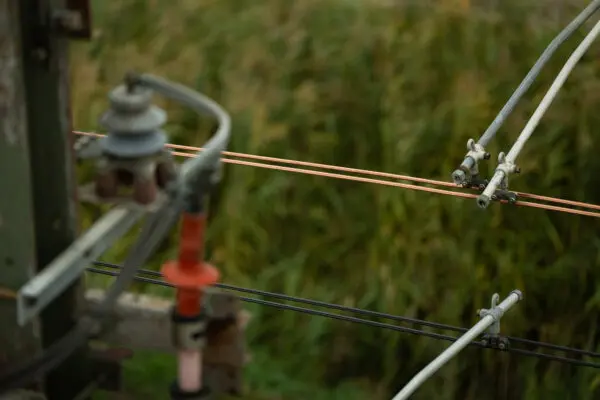
Sustainability in rail and civil engineering focuses on reducing environmental impact across the entire lifecycle of infrastructure. This includes using emission‑free equipment, circular and recycled materials, and designing assets with a longer lifespan and lower maintenance requirements. Reusing structural components—such as circular viaduct beams or recycled copper contact wires for overhead lines—significantly reduces CO₂ emissions while conserving valuable raw materials.
CO₂‑reduction is achieved through a combination of clean construction methods and material innovation. Key strategies include:
These measures not only reduce carbon emissions but help create more resilient, future‑proof infrastructure.
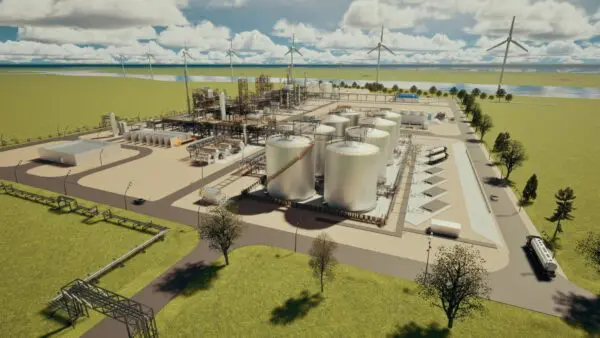
Infrastructure projects increasingly rely on advanced sustainable technologies, such as:
These innovations drive measurable environmental benefits throughout the asset lifecycle.
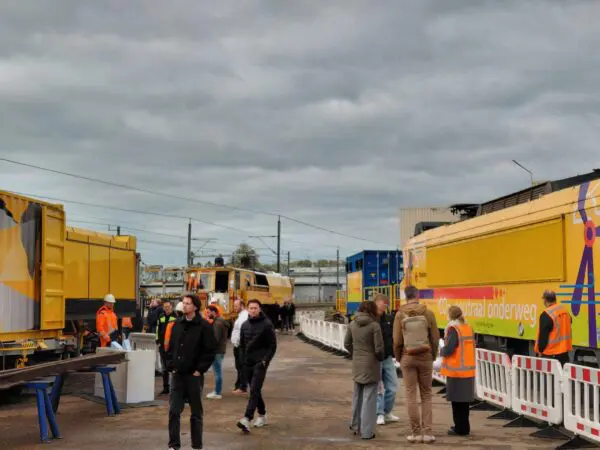
Zero‑emission equipment refers to machinery that operates without producing exhaust gases, typically powered by electricity or batteries. Examples include:
This equipment eliminates local emissions, improves air quality around work sites, reduces noise pollution and helps clients comply with increasingly strict sustainability requirements.
By 2050, the infrastructure sector aims to be fully climate‑neutral. This future includes:
The transition is already underway, driven by innovation, collaboration and long‑term thinking.