





CO2 reduction in 2025
News
31 March 2026
Read the article
Date
31 March 2026
Expertise
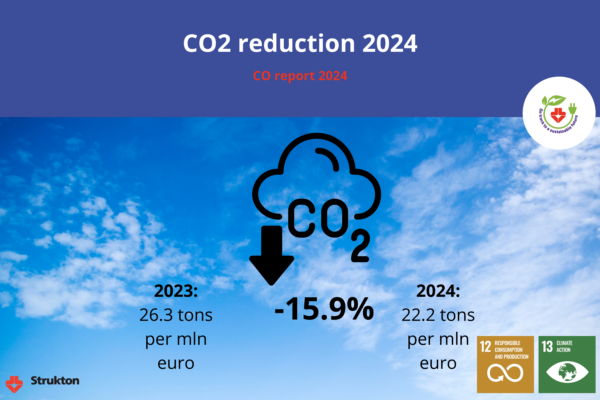
In 2025, we reduced our carbon emissions by 4.3%. Our emissions relative to our revenue decreased by 1.5%. This puts us on track to achieve our goals: reducing our gross emissions by 50% in 2030 compared to 2021 and being climate-neutral by 2050, in line with the goals set in the Paris Agreement. Furthermore, we are committed to further increase our insights into our scope 3 emissions to identify and implement emission reduction measures in our material value chains. Additionally, we are taking steps to gain more insight into our other controllable emissions.
We see the effect of our measures to reduce the amount of emissions, especially regarding our buildings, car fleet and to a lesser extent within our equipment fleet. Furthermore, we experience that knowledge and awareness around sustainability in general and emissions specific are increasingly present among our colleagues.
In 2023 and 2024, we initiated a value chain analysis for circular catenary pillars with the aim of producing and installing approximately 200 circular concrete catenary pillars annually in rail projects in the Netherlands. Because this product is not yet included in the client’s Standard Products Catalogue (SPC), we cannot yet apply it in regular projects. However, there are various pilots and many conversations. In March of this year, we discussed the pilot results extensively with all relevant parties during the Week of the Circular Economy. We are still committed to the joint efforts leading to the inclusion of the product in the SPC in the near future.
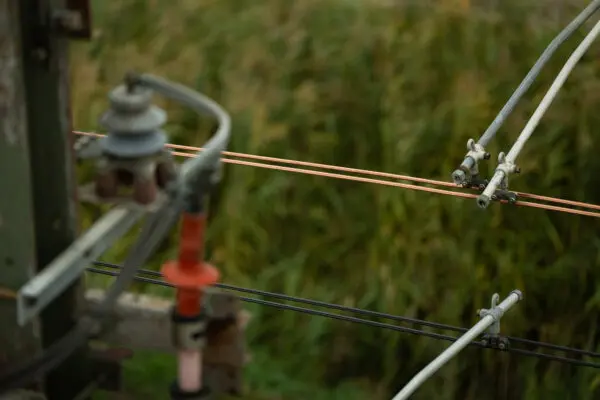
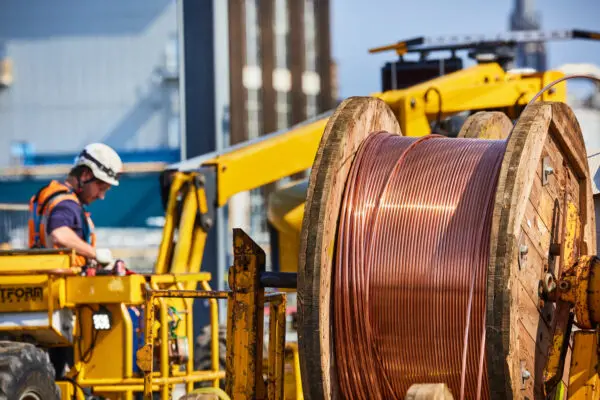
We have prepared a value chain analysis for circular overhead lines to promote the application of more sustainable overhead lines and thus substantially reduce CO₂ emissions throughout the chain.
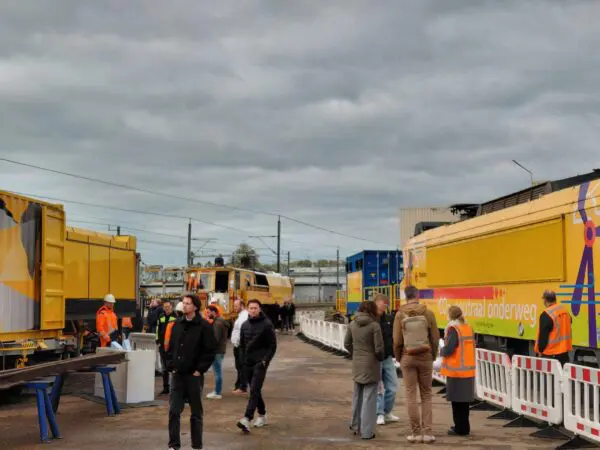
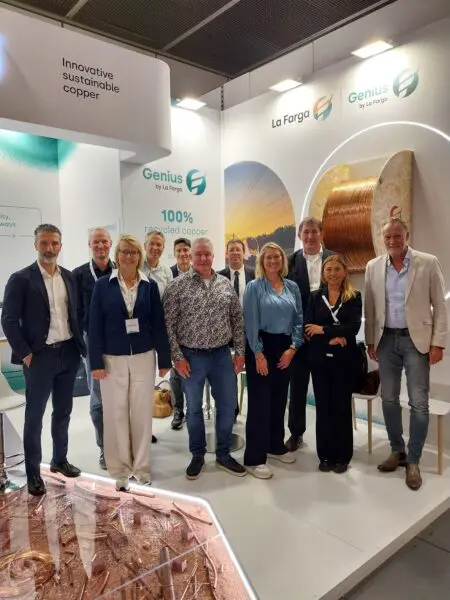
In October 2025, we celebrated the world-first with partners in the supply chain.
Thanks to everyone who contributed to the reductions! Both chain partners and colleagues play an important role in this. Together towards further reduction!
Want to know more about our reduction, measures and initiatives? Read our 2025 CO2 progress report and energy action plan.
Open the documentOur sector has significant impact on the living environment as to the use of raw materials, waste, emissions and loss of biodiversity. This brings great responsibility and creates oppcortunities to make the world more sustainable.
Sustainability in rail and civil engineering focuses on reducing environmental impact across the entire lifecycle of infrastructure. This includes using emission‑free equipment, circular and recycled materials, and designing assets with a longer lifespan and lower maintenance requirements. Reusing structural components—such as circular viaduct beams or recycled copper contact wires for overhead lines—significantly reduces CO₂ emissions while conserving valuable raw materials.
CO₂‑reduction is achieved through a combination of clean construction methods and material innovation. Key strategies include:
These measures not only reduce carbon emissions but help create more resilient, future‑proof infrastructure.
Infrastructure projects increasingly rely on advanced sustainable technologies, such as:
These innovations drive measurable environmental benefits throughout the asset lifecycle.
Zero‑emission equipment refers to machinery that operates without producing exhaust gases, typically powered by electricity or batteries. Examples include:
This equipment eliminates local emissions, improves air quality around work sites, reduces noise pollution and helps clients comply with increasingly strict sustainability requirements.
By 2050, the infrastructure sector aims to be fully climate‑neutral. This future includes:
The transition is already underway, driven by innovation, collaboration and long‑term thinking.