





Emma Rotman
Manager Sustainability
Strukton

Date
31 March 2025
Expertise
To reach our 2040 target, we will reduce our emissions by 90% and compensate the rest.
Other influenceable emissions are emissions that fall outside scope 1, scope 2 or scope 3 according to the GHG Protocol. The reason is that these are short-cyclical or occur outside the value chain of the organisation. If we can significantly influence these emissions, they are relevant for our organisation to contribute to global climate neutrality.
In order to achieve our objectives, we have worked out annual ambitions for each scope. The annual ambitions can be found here. We monitor and publish on the progress on these ambitions and the measures to achieve them, and continuously search for ways to move faster.
We will work together to achieve our goals. Together means with all colleagues, our clients, our suppliers and all other partners in the chain. Do you have ideas to help with that? Let us know!
Manager Sustainability
Strukton
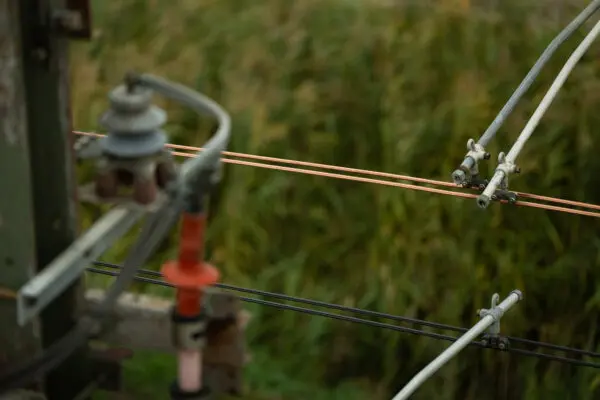
Sustainability in rail and civil engineering focuses on reducing environmental impact across the entire lifecycle of infrastructure. This includes using emission‑free equipment, circular and recycled materials, and designing assets with a longer lifespan and lower maintenance requirements. Reusing structural components—such as circular viaduct beams or recycled copper contact wires for overhead lines—significantly reduces CO₂ emissions while conserving valuable raw materials.
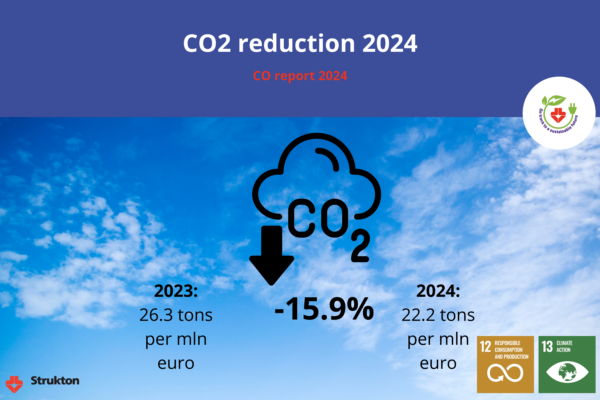
CO₂‑reduction is achieved through a combination of clean construction methods and material innovation. Key strategies include:
These measures not only reduce carbon emissions but help create more resilient, future‑proof infrastructure.
Infrastructure projects increasingly rely on advanced sustainable technologies, such as:
These innovations drive measurable environmental benefits throughout the asset lifecycle.
Zero‑emission equipment refers to machinery that operates without producing exhaust gases, typically powered by electricity or batteries. Examples include:
This equipment eliminates local emissions, improves air quality around work sites, reduces noise pollution and helps clients comply with increasingly strict sustainability requirements.
By 2050, the infrastructure sector aims to be fully climate‑neutral. This future includes:
The transition is already underway, driven by innovation, collaboration and long‑term thinking.