To main content To navigation

Bridges and Locks Along the Oude IJssel River Upgraded for the Future

View all articles
Brug over de Oude IJssel

Date

22 December 2024

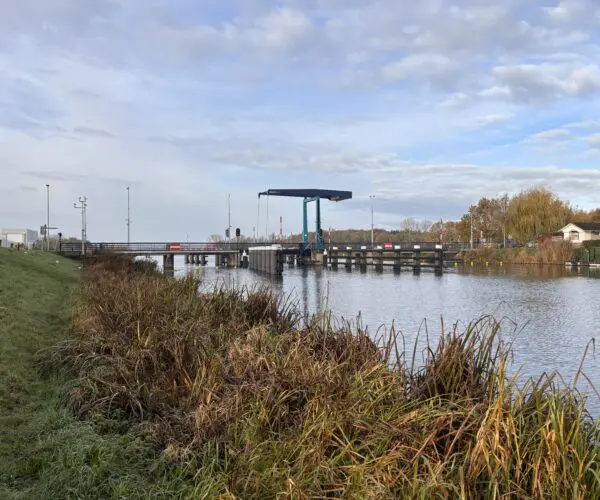
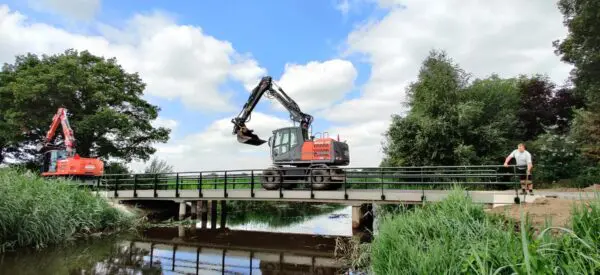
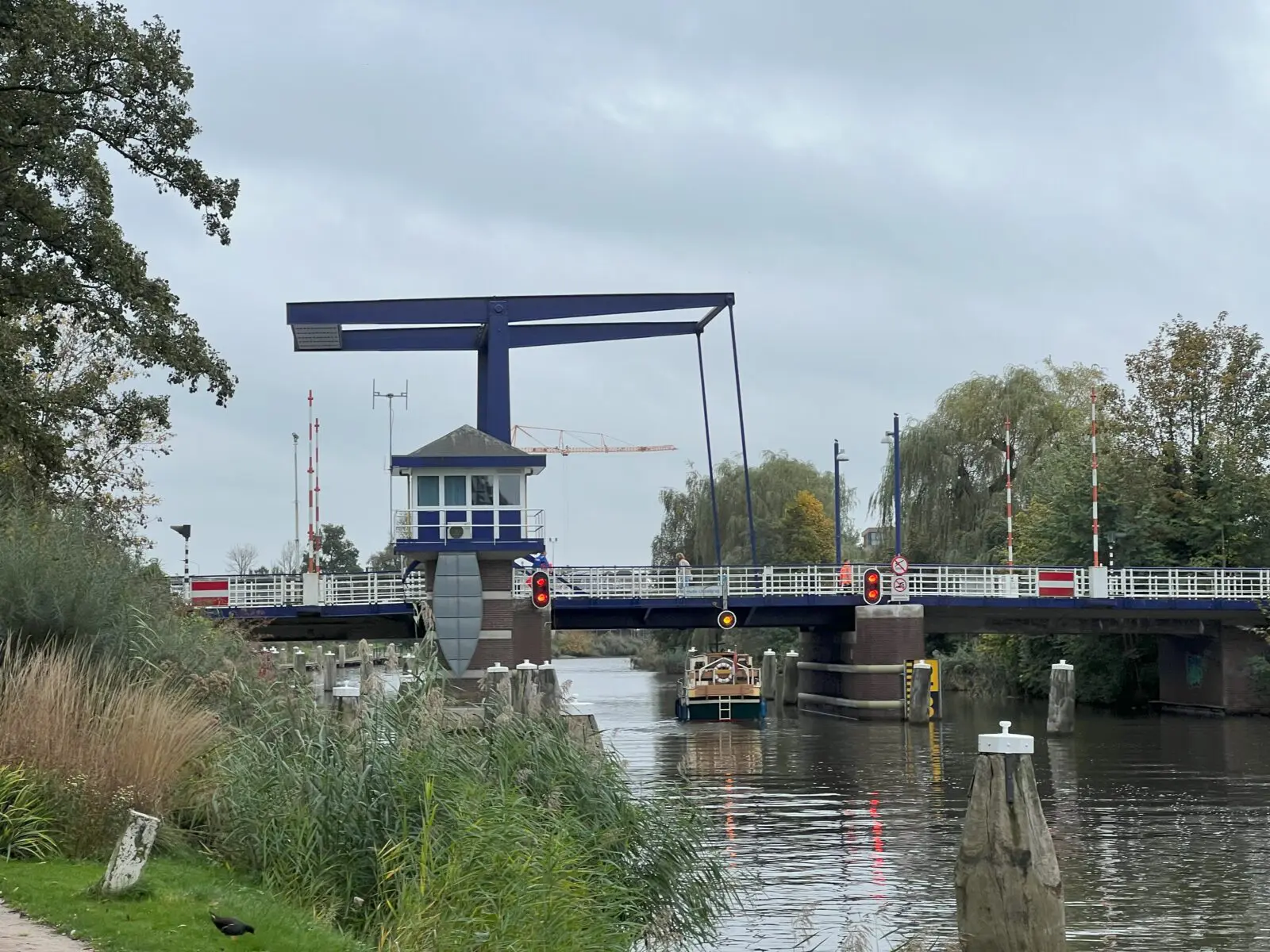
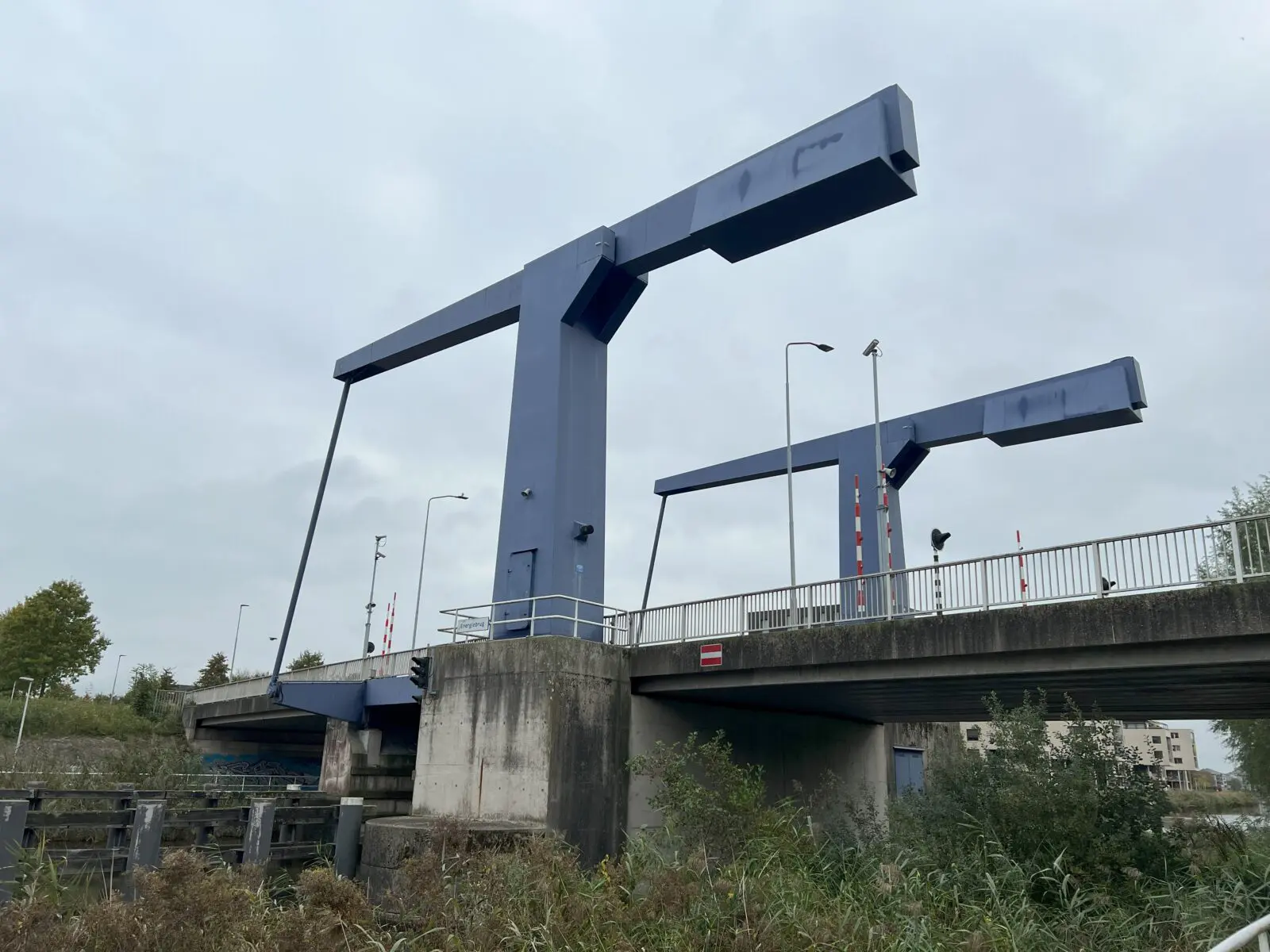
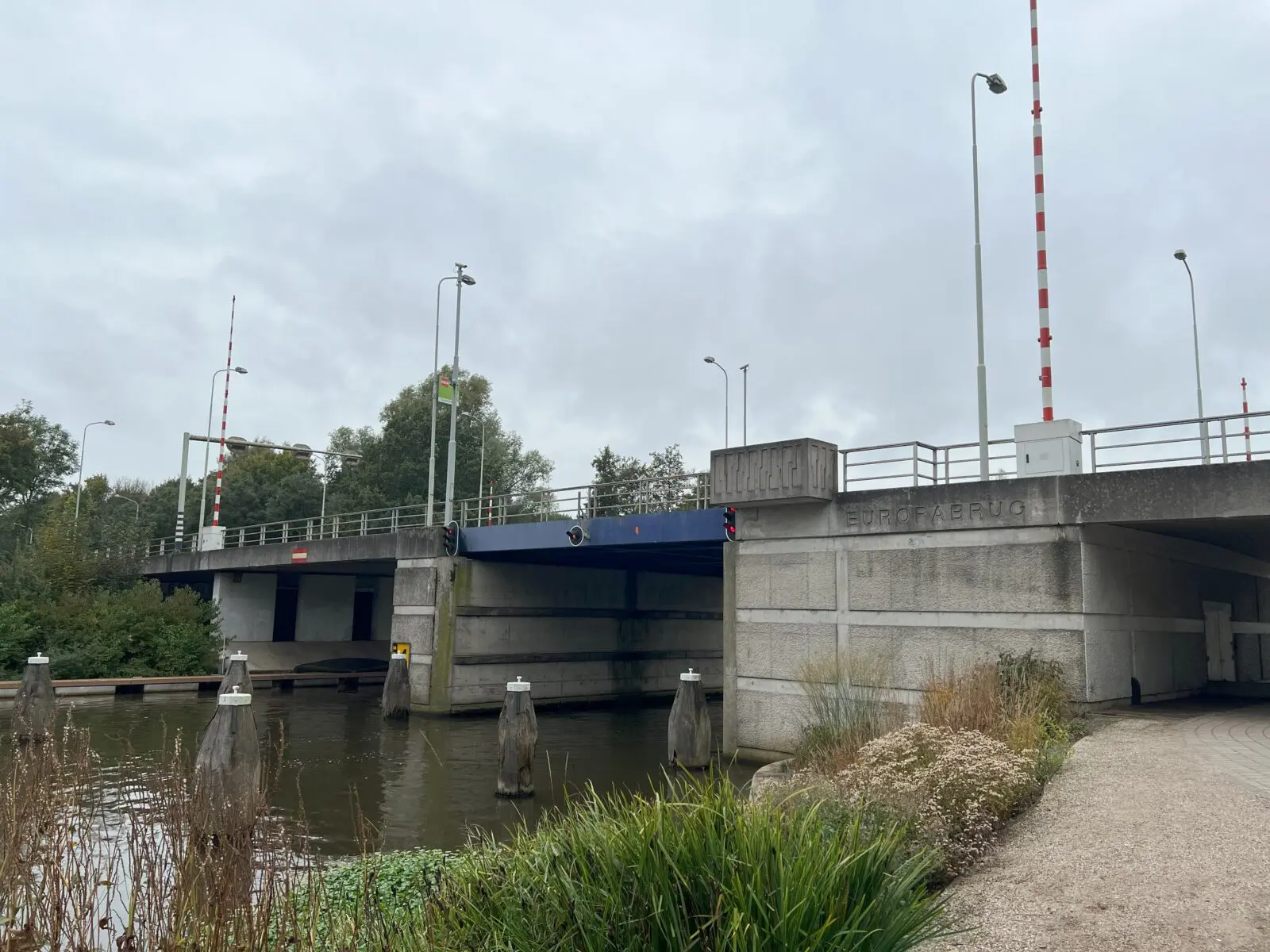
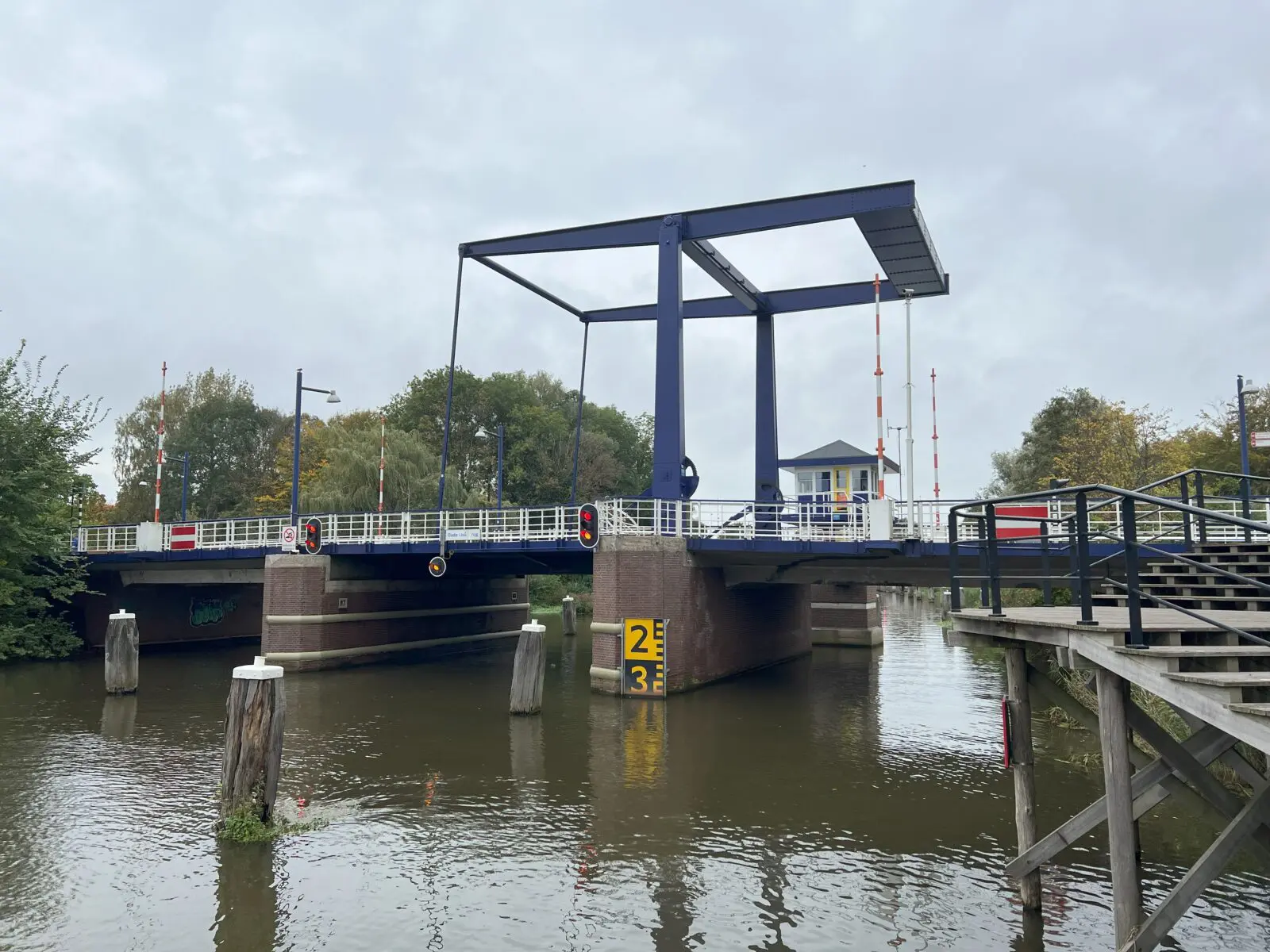
Anyone travelling along the Oude IJssel between Doesburg and Terborg in the Netherlands passes nine bridges and two locks. The electrical control and automation systems of these structures have reached the end of their service life. Strukton has been awarded the contract to modernise these assets and prepare them for the future. The movable bridges and locks are equipped with a wide range of electrical systems that require replacement, including their operating and control installations.

A Complex Project

This is a major project involving two clients, two budgets and two contracts. The clients are Waterschap Rijn en IJssel (WRIJ) and Buha, the organisation responsible for the management and maintenance of public spaces in the municipality of Doetinchem.

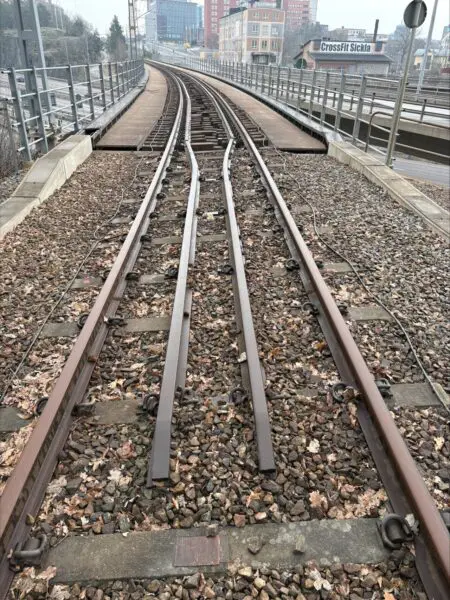
For this project, Strukton business units are working closely together. Strukton has also been awarded the contract to renovate the electrical and control systems of the Saap Roelofs Bridge. This bridge has operational and control interfaces with the adjacent railway bridge, allowing Strukton to combine expertise from both the civil infrastructure and rail domains.

Control Systems for Bridges and Locks

Strukton develops and delivers advanced control and automation systems for bridges and locks. These systems enable safe operation, efficient management and reliable performance of critical infrastructure assets. By combining expertise in electrical engineering, industrial automation and infrastructure management, Strukton helps asset owners modernise and future-proof their bridge and lock infrastructure.

Control systems for bridges and locks

Frequently asked questions

Find answers to frequently asked questions here.

How can ageing concrete bridges be strengthened sustainably without full replacement?

Ageing bridges can be reinforced using composite strengthening systems such as SUREbridge, which places a lightweight FRP composite panel onto the existing concrete deck. This method increases load‑bearing capacity, extends service life by up to 50 years, shortens construction time and avoids demolition, lowering CO₂ emissions by around 50%.

What circular and low‑impact materials are used in modern bridge and viaduct construction?

Current sustainable bridge‑building practices include the use of high‑strength concrete, recycled and circular structural beams, and composite panels that minimise the need for new raw materials. Circular approaches — such as reusing beams and strengthening existing structures instead of replacing them — significantly reduce waste, transport movements and environmental footprint. SUREbridge, for example, limits the use of primary materials and enables lightweight installation with minimal environmental impact.

What innovative techniques reduce disruption during bridge renovation or widening?

Techniques like prefabricated composite deck overlays, fast‑curing strengthening systems and modular construction minimise on‑site work and reduce noise, traffic disruption and construction time. SUREbridge, for instance, avoids demolition and can be installed in just a few weeks, reducing inconvenience to road users and nearby residents.

What control systems are required for safe and reliable operation of movable bridges?

Movable bridges rely on advanced bridge‑control and monitoring systems that manage mechanical movements, ensure safety interlocks, support remote operation and monitor real‑time performance. Modern systems integrate sensors, automation and fail‑safe logic to guarantee safe bridge openings while coordinating with traffic, vessels and other infrastructure elements. Many engineering firms specialising in rail and civil infrastructure provide expertise in designing, upgrading and maintaining such systems.

What are key considerations in designing and maintaining railway bridges?

Railway bridges must withstand heavy axle loads, dynamic vibrations and increasing train frequencies. Important considerations include structural stiffness, fatigue resistance, long‑term durability and compatibility with electrification systems. With many European railway bridges exceeding 50–100 years of age, strengthening methods such as composite overlays, high‑strength materials and smart monitoring systems are increasingly used to extend lifespan and ensure safe operations.

Also read these articles

Previous slide
Next slide