



To main content To navigation

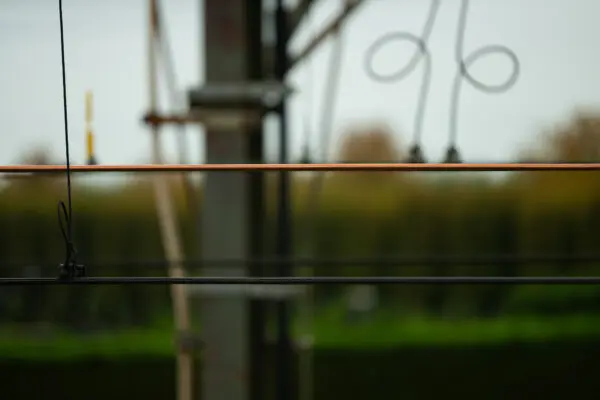
100% recycled copper contact wires

View all Articles
100% recycled copper contact wires

Date

14 October 2025

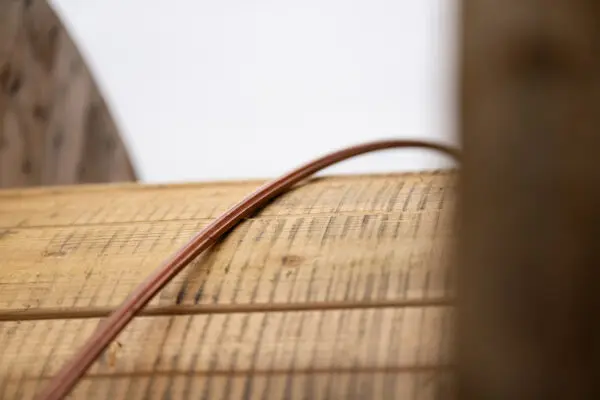
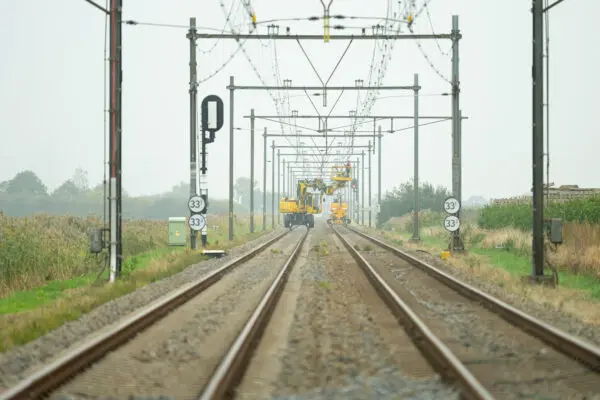
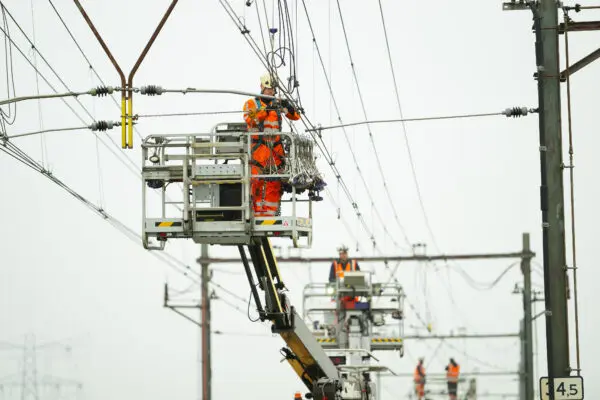
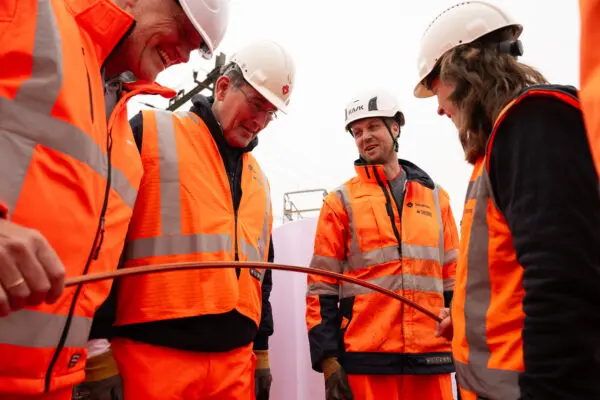
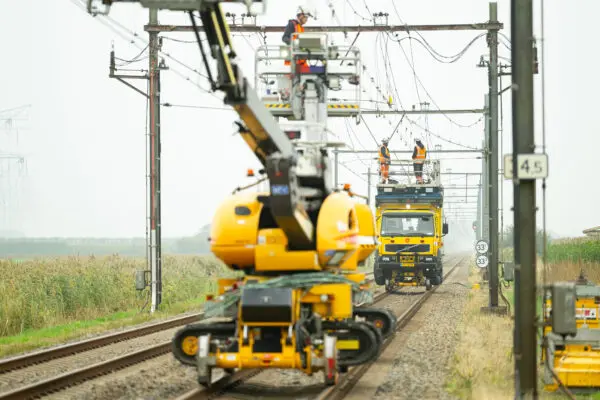
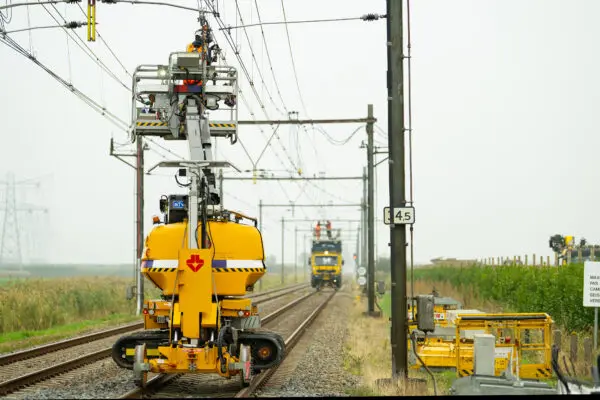
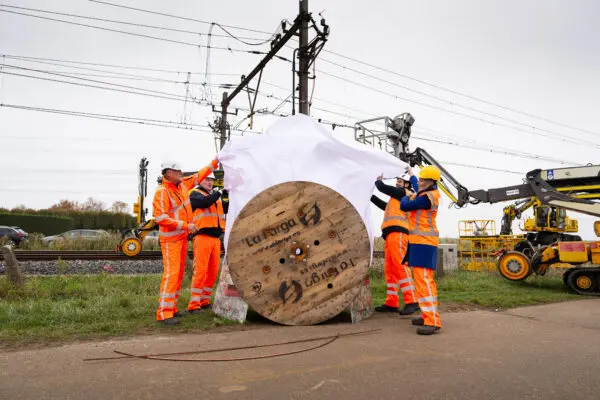
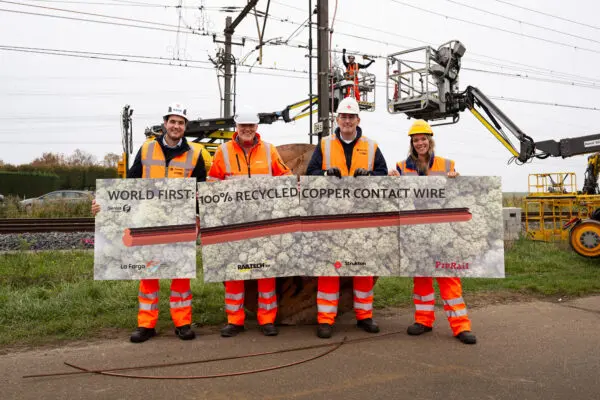
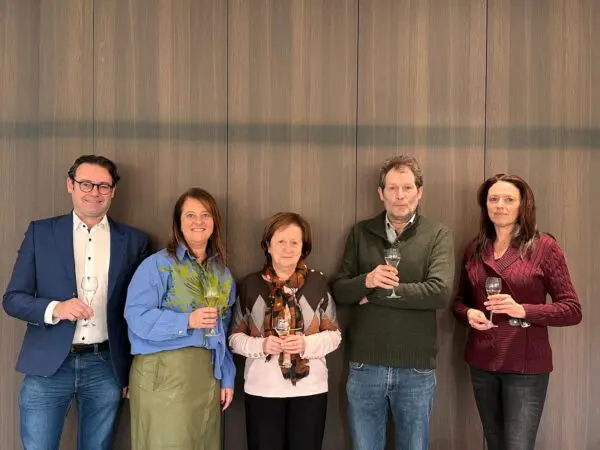
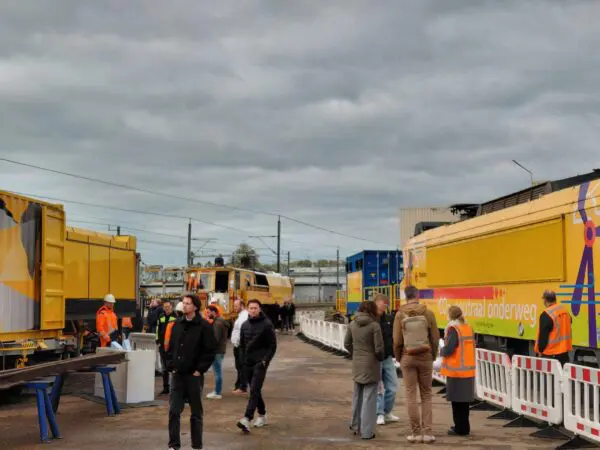
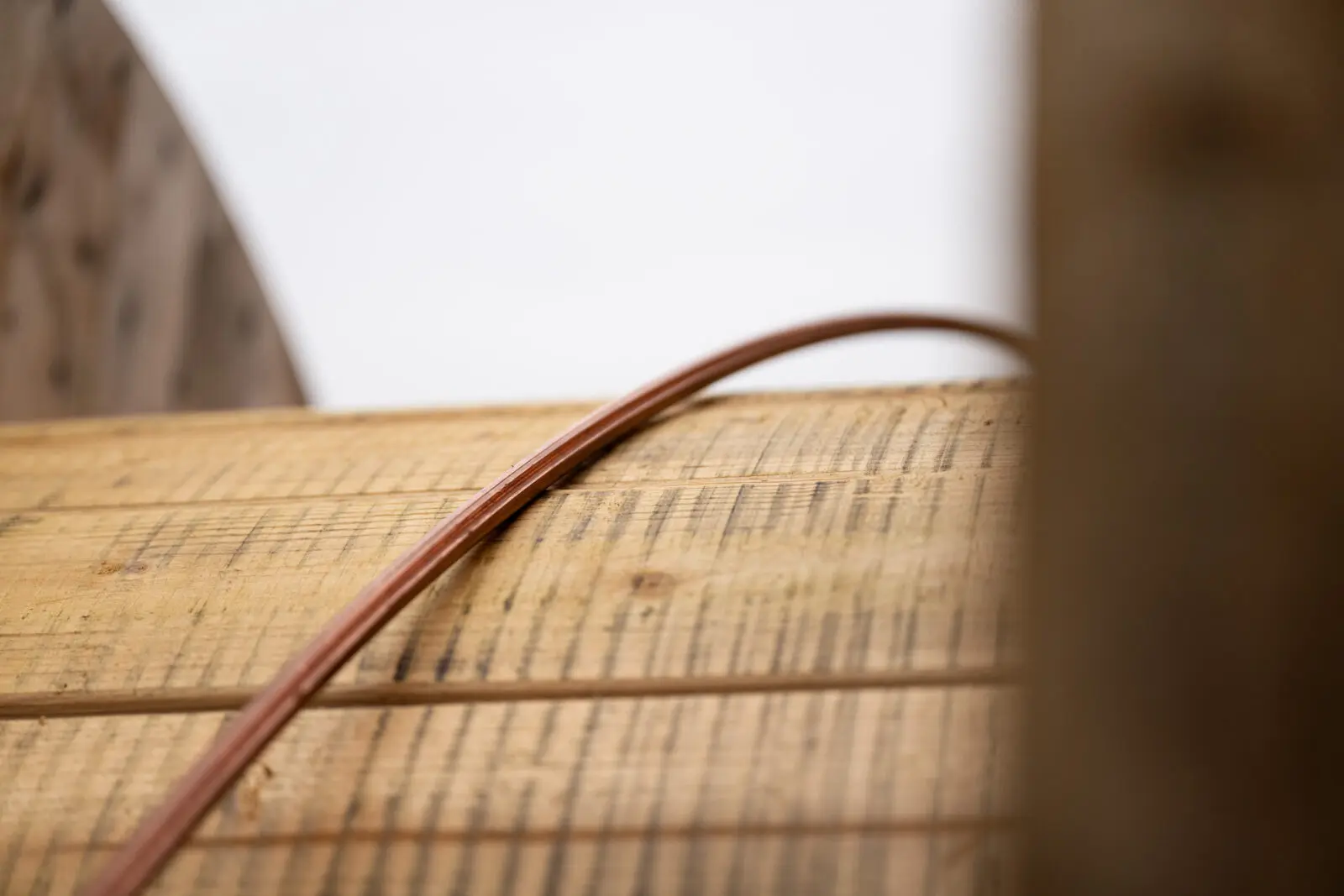
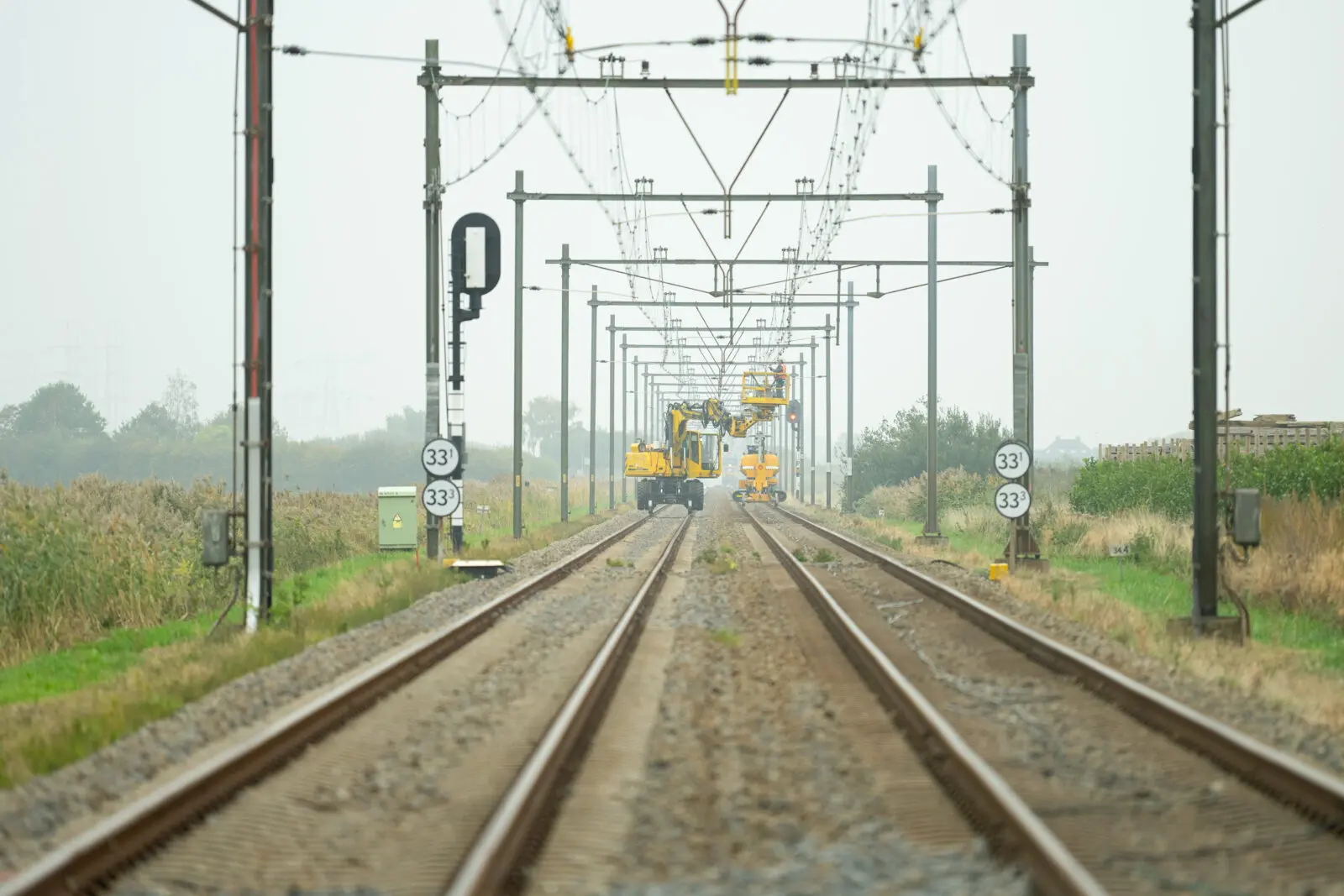
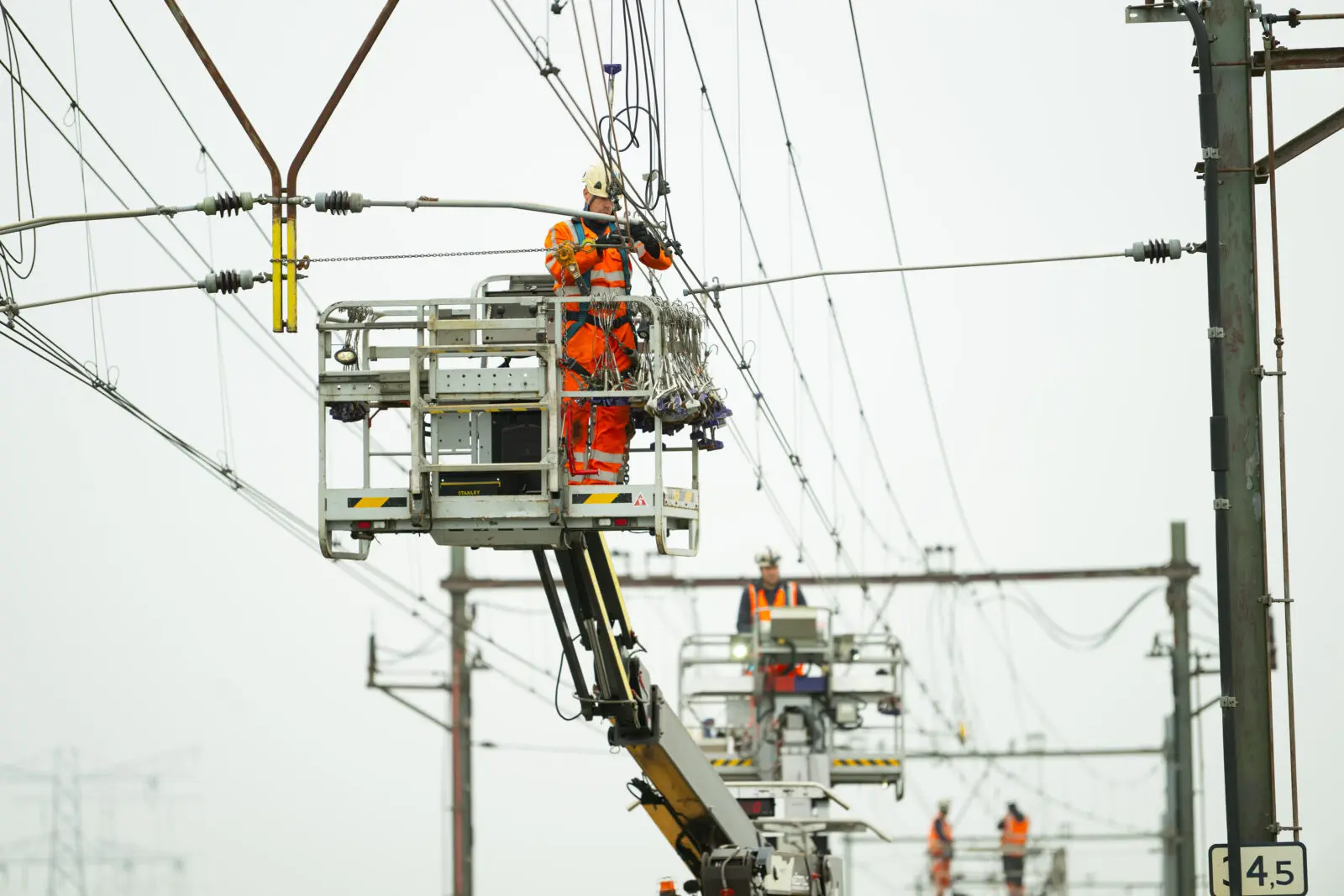
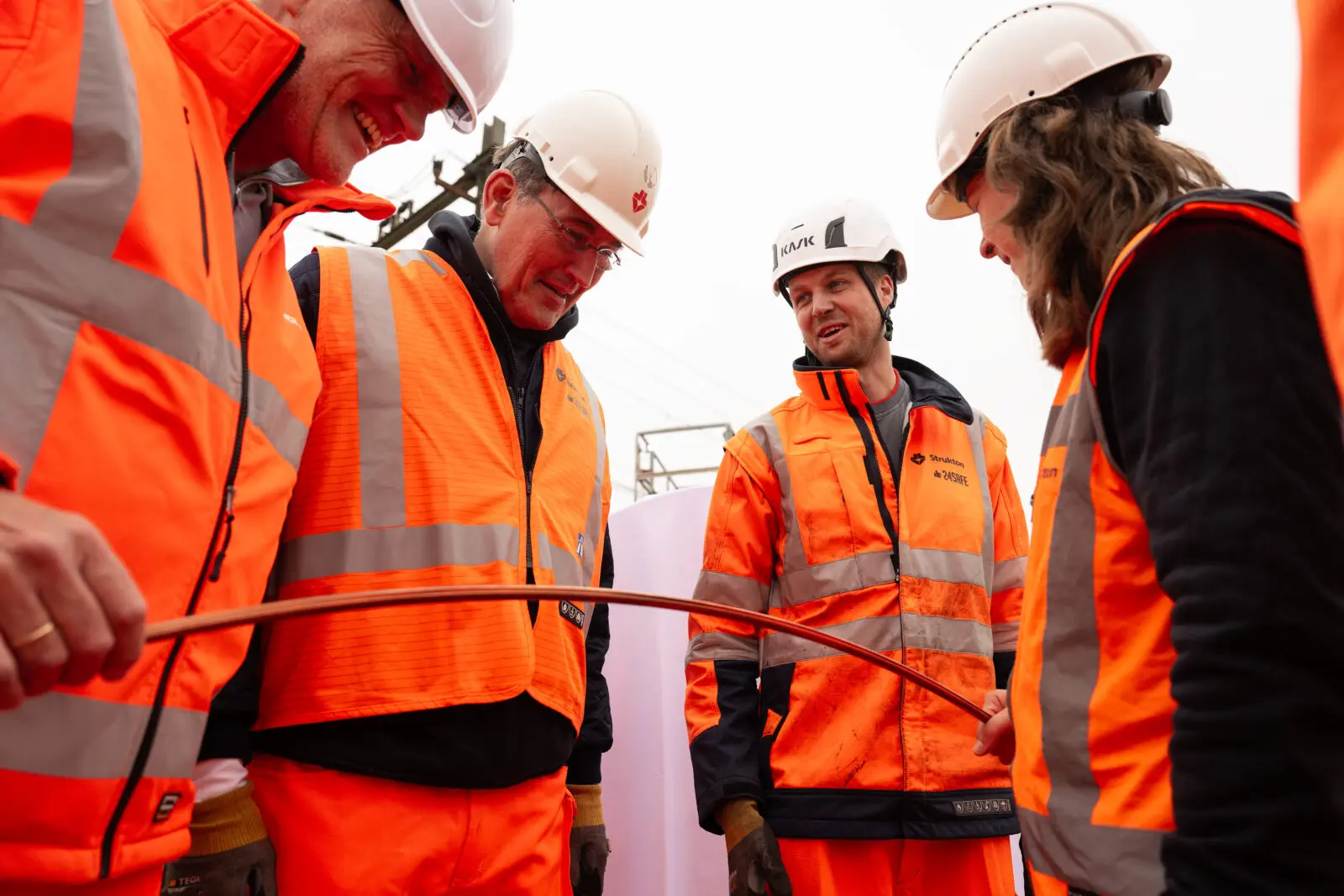
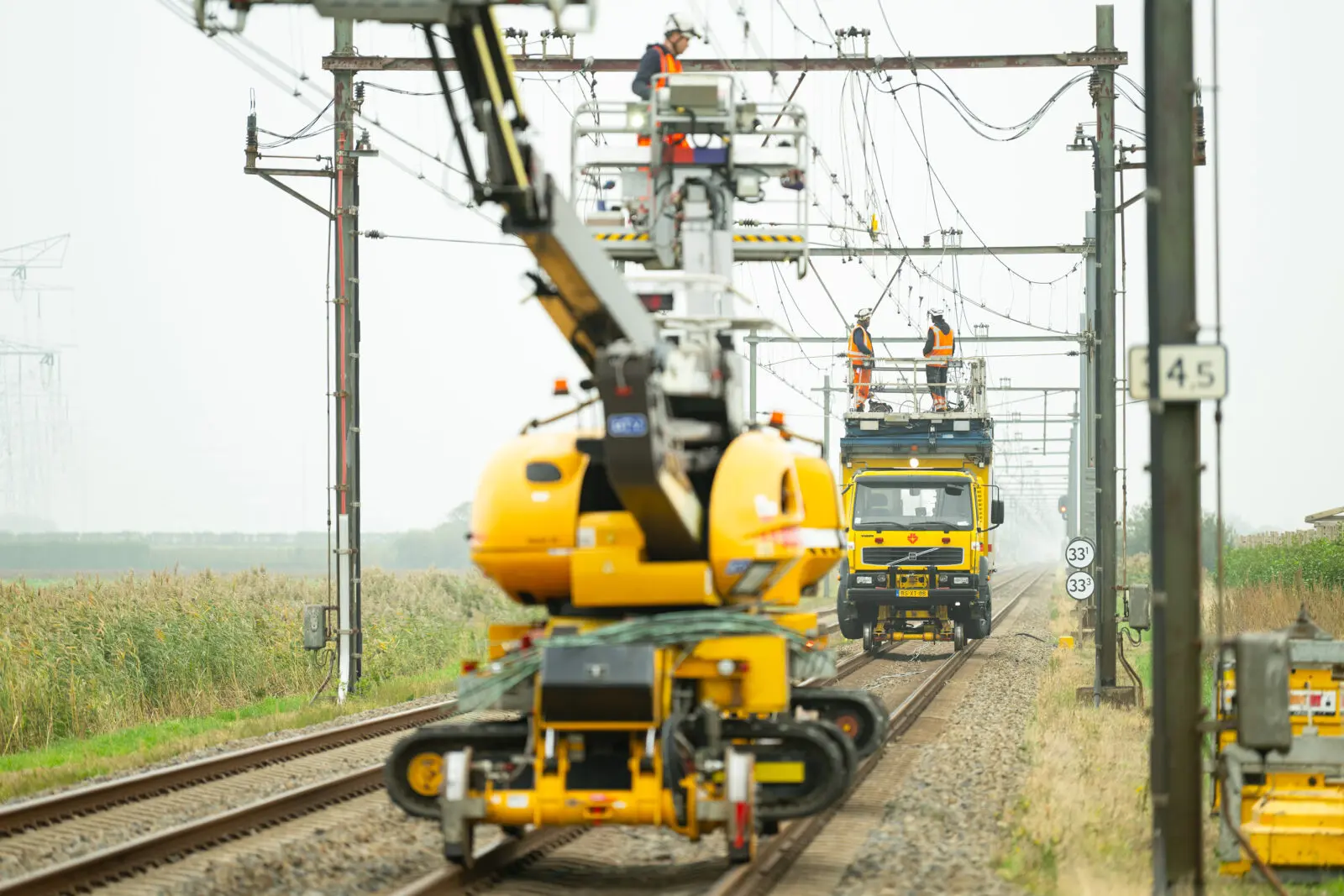
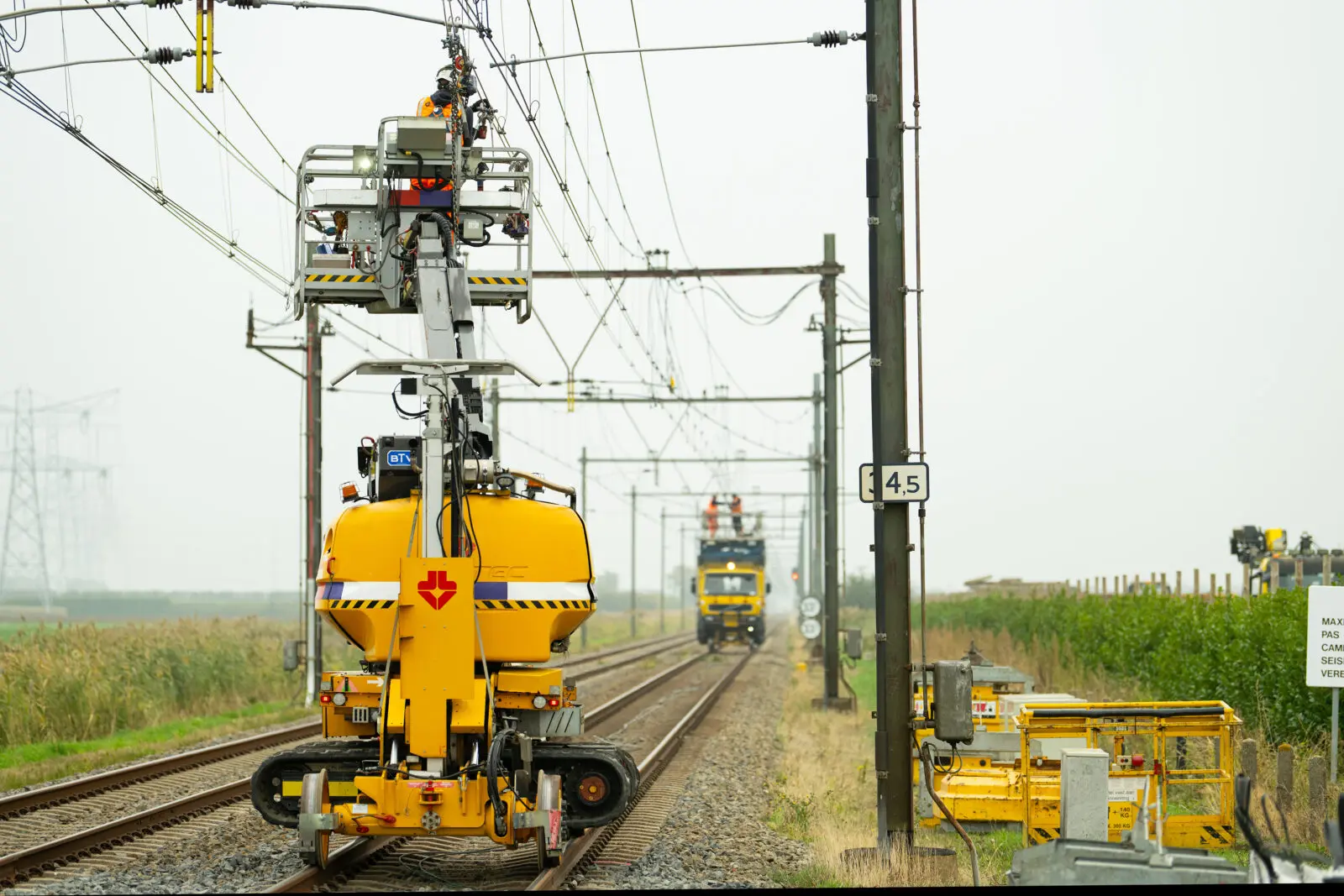
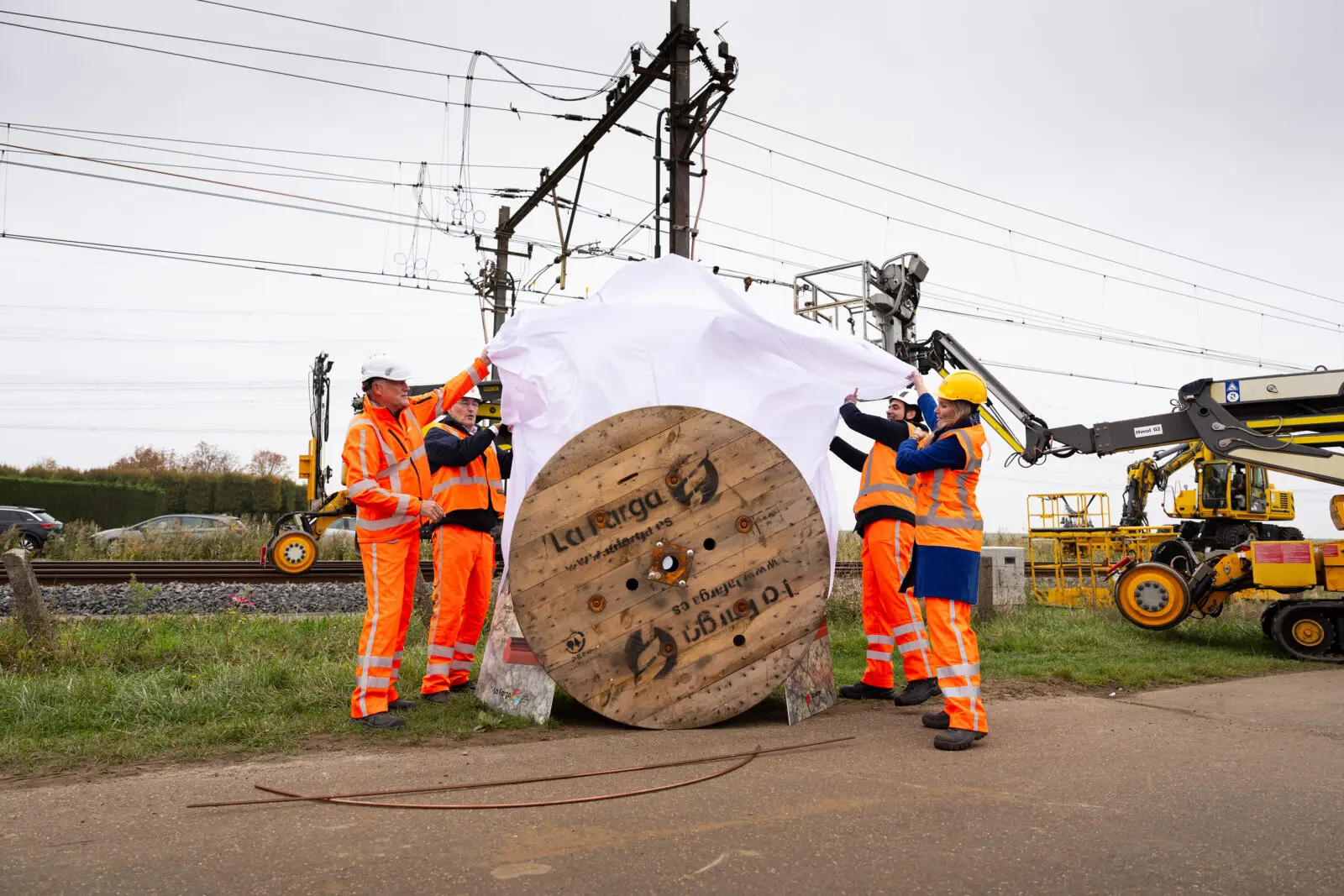
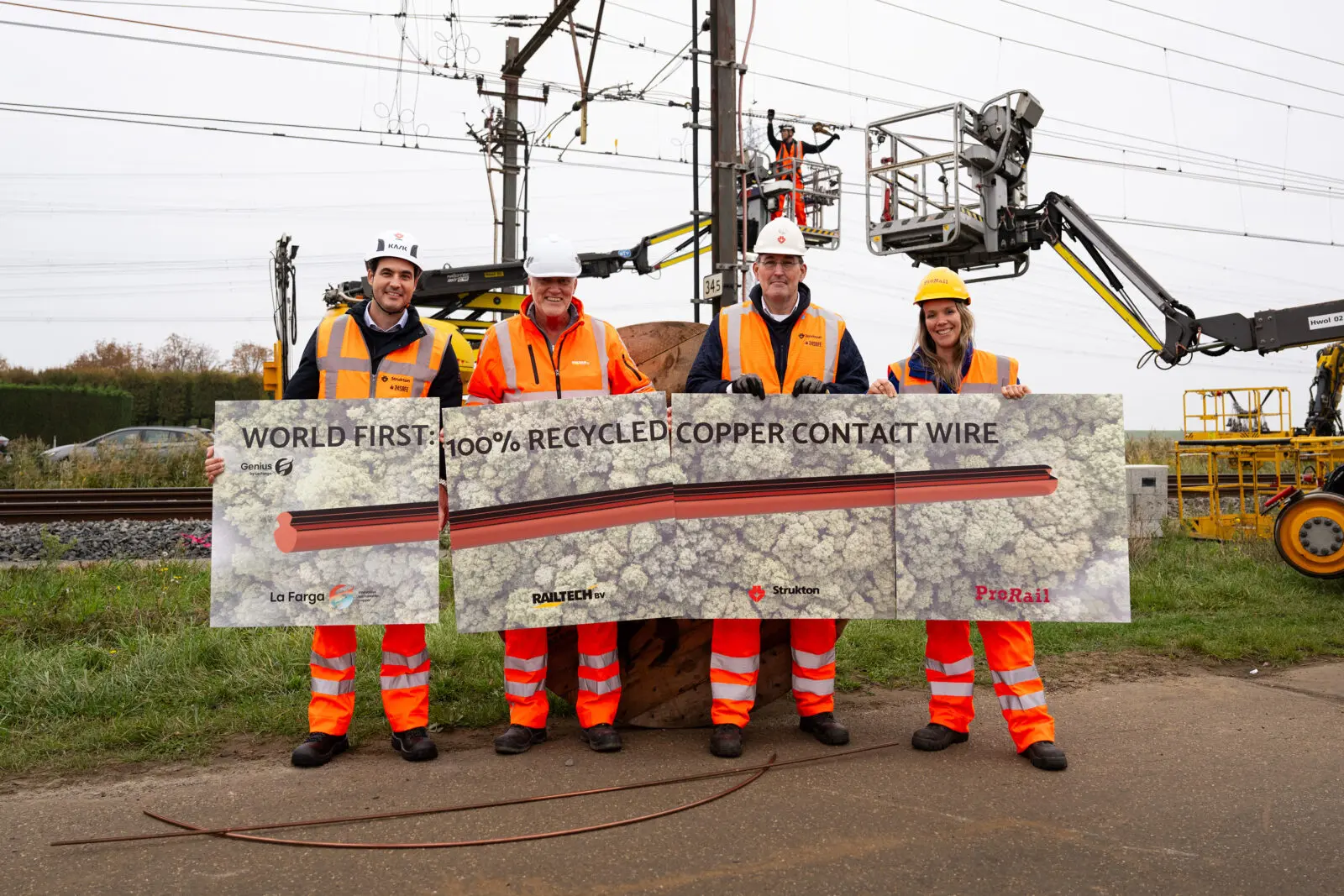
Strukton Rail has installed contact wire made of 100% recycled copper at the Zeeuwse lijn, a railway line in the South of the Netherlands. This means a sustainable world first for the Dutch railway sector, made possible owing to a collaboration between the Spanish manufacturer La Farga, supplier Railtech BV, contractor Strukton and railway manager ProRail. On Saturyday 11 October, La Farga, Railtech BV, ProRail and Strukton gathered in Zeeland to celebrate this sustainable innovation.

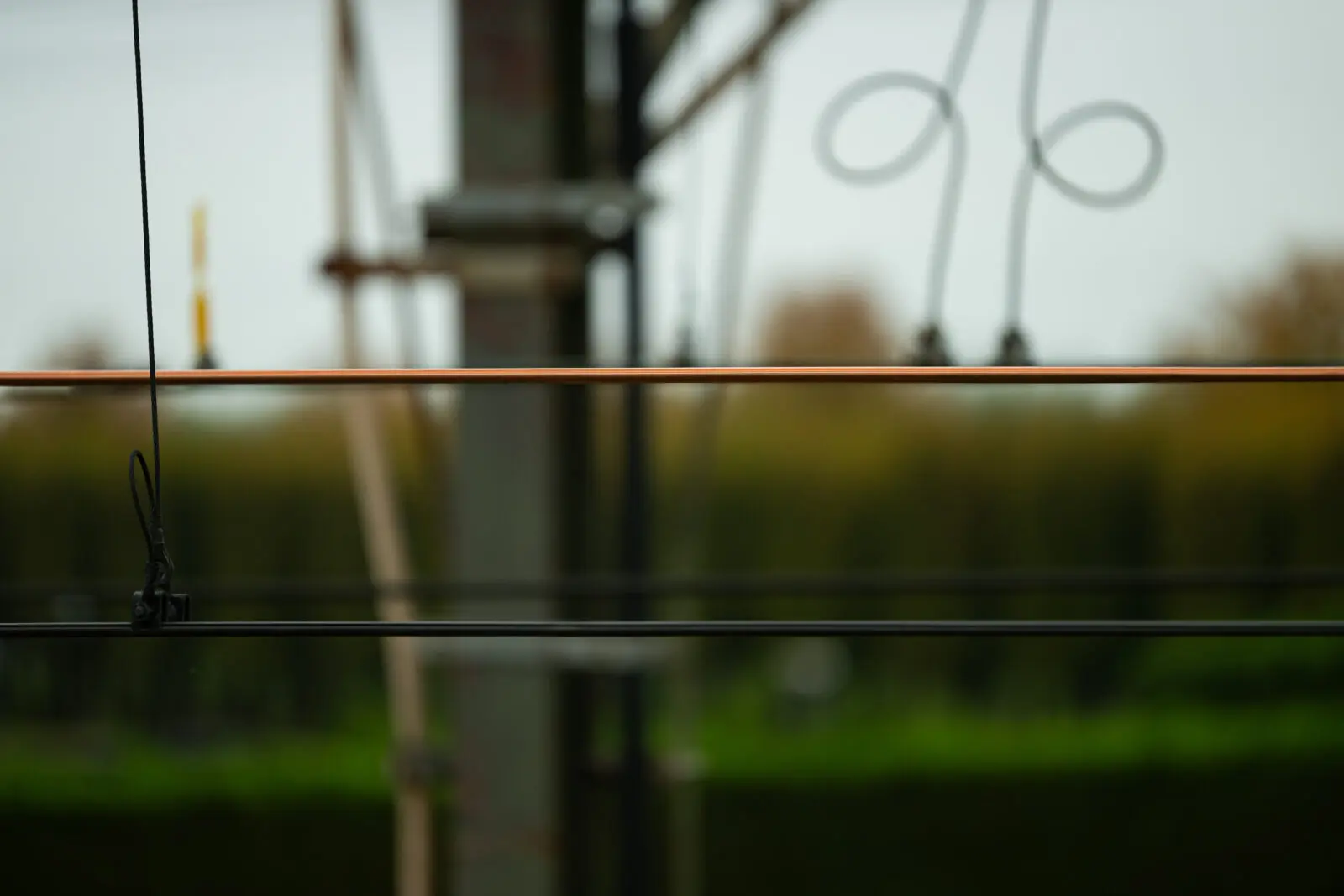
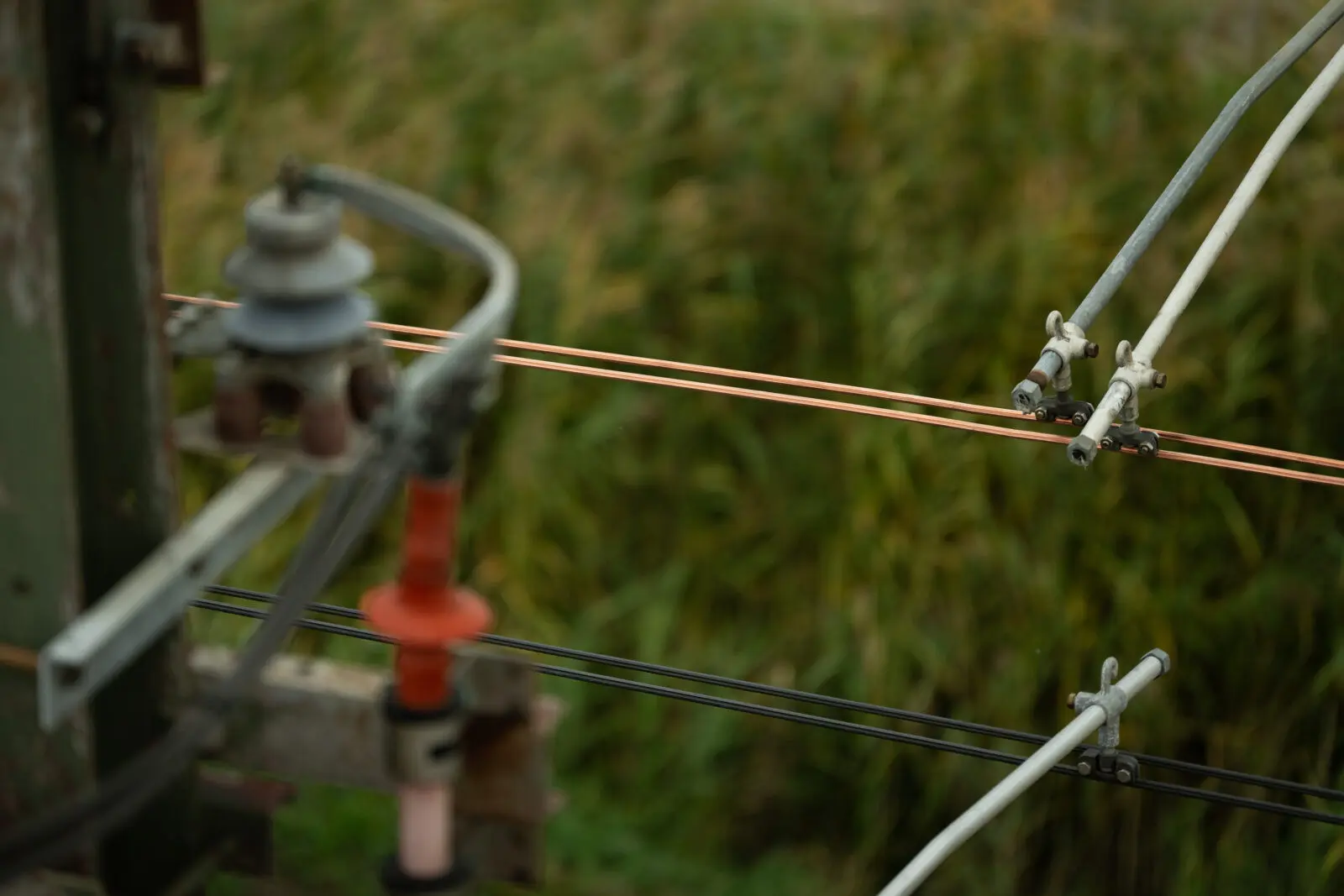
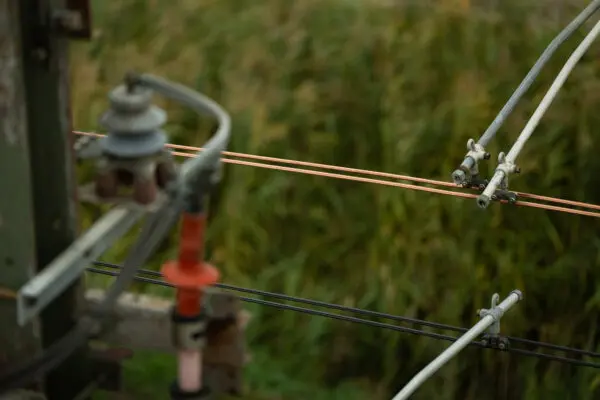
The 100% recycled contact wire, called Genius, meets the European Standard EN50149 and ProRail’s strict requirements (SPC00069). Genius has the same mechanical and electrical properties as traditionally produced contact wire.

Green savings

A total of 36 kilometers of double overhead wire will be replaced with fully recycled copper this year. This will take place on the railway between Roosendaal and Vlissingen in the Netherlands. This application results in a CO₂ reduction of no less than 92% compared to copper from mines. Thanks to La Farga’s innovative technology, copper can be fully recycled and reused, significantly reducing environmental impact.

Replacing 75 linear kilometers of fully recycled contact wire results in savings equivalent to the amount of CO₂ absorbed by 20,000 trees per year. It also saves 99% water usage, 89% fossil fuels, and 99% sulfur dioxide emissions.

The sustainable wires are being installed in Zeeland because the existing wires there are due for replacement. Other bare copper conductors, such as catenary and suspension wires, can also be produced in this way, leading to even greater CO₂ savings.

International collaboration

This innovation is the result of intensive international collaboration. At the InnoTrans trade fair in Berlin in 2024, the four parties gave the green light for the use of Genius contact wire on the Zeeland line. Spanish company La Farga, a global leader in copper recycling technology, developed Genius. Railtech BV, supplier of overhead line materials and systems in the Netherlands, delivers the wire. Strukton Rail carries out the replacement on behalf of ProRail.

“As the railway infrastructure manager, we are proud of this innovative international collaboration. By recycling copper and using copper from a circular process for renewing contact wires, we are taking serious steps toward a climate-neutral and circular railway infrastructure.” Janneke Vogels, Director of Sustainability at ProRail

Moving forward together

“It’s fantastic that we are experiencing this world first in Zeeland with all involved parties. I call on everyone in the railway sector to further embrace sustainable and circular practices.” Tjark de Vries, CEO of Strukton Rail Nederland

“At Railtech, our mission is to work together with partners such as ProRail, La Farga, and the contractors to develop innovative, reliable, and sustainable rail solutions. As a connecting link in the chain, we are proud to contribute to circular products such as this contact wire made from 100% recycled copper. Sustainability is in our DNA. With this development, we are taking an inspiring step together towards a future-proof and fully circular railway.” Dick van Harten, Railtech CEO

La Farga develops advanced and sustainable copper solutions. They help industries reduce their environmental impact and also address society’s urgent need to protect natural resources and foster sustainable growth. This represents a direct positive impact based on their purpose.

This project is a groundbreaking milestone that proves how innovation and collaboration can truly change the future of mobility. With the first 100% recycled, low-emission contact wire, La Farga proudly leads the way towards a more sustainable world, and we warmly thank all the companies who collaborated to make this achievement possible.” Inka Guixà, CEO of La Farga


Photos made by Shane van Hattum, duckdev
Frequently asked questions

Find answers to frequently asked questions here.

What does sustainability mean in the rail and civil infrastructure sector?

Sustainability in rail and civil engineering focuses on reducing environmental impact across the entire lifecycle of infrastructure. This includes using emission‑free equipment, circular and recycled materials, and designing assets with a longer lifespan and lower maintenance requirements. Reusing structural components—such as circular viaduct beams or recycled copper contact wires for overhead lines—significantly reduces CO₂ emissions while conserving valuable raw materials.

How can CO₂ emissions be reduced in infrastructure projects?

CO₂‑reduction is achieved through a combination of clean construction methods and material innovation. Key strategies include:

  • Deploying zero‑emission machinery such as electric cranes, electric rail‑road vehicles (Krols), electric vans and battery‑powered locomotives.
  • Integrating circular concrete, geopolymer concrete, and recycled materials to lower embodied carbon.
  • Collaborating across the supply chain — from client to contractor to materials supplier — to scale circular and low‑carbon solutions.

These measures not only reduce carbon emissions but help create more resilient, future‑proof infrastructure.

Which sustainable innovations are being used in modern rail and civil engineering projects?

Infrastructure projects increasingly rely on advanced sustainable technologies, such as:

  • 100% recycled copper contact wire, reducing CO₂ emissions by up to 92%.
  • Geopolymer concrete, offering 50–80% CO₂ savings compared to traditional mixes.
  • Electric and battery‑powered locomotives for maintenance and logistics.
  • Circular overhead‑line foundations and poles made from low‑impact concrete.
  • The Energy Bank, an innovative click‑and‑go substation that captures and reuses regenerative braking energy.
  • Circular viaduct and bridge concepts, enabling reuse instead of demolition.

These innovations drive measurable environmental benefits throughout the asset lifecycle.

What is zero‑emission equipment in infrastructure construction?

Zero‑emission equipment refers to machinery that operates without producing exhaust gases, typically powered by electricity or batteries. Examples include:

  • Electric locomotives and battery locomotives
  • Electric cranes and rail‑road (Krol) vehicles
  • Electric vans and support vehicles

This equipment eliminates local emissions, improves air quality around work sites, reduces noise pollution and helps clients comply with increasingly strict sustainability requirements.

What does the future of sustainability in infrastructure look like?

By 2050, the infrastructure sector aims to be fully climate‑neutral. This future includes:

  • A robust, climate‑resilient infrastructure network designed for extreme weather.
  • A fully emission‑free construction fleet.
  • Circular material chains where components are reused at scale.
  • Rail as a leading sustainable mobility system, supported by smart energy management and low‑carbon construction methods.
  • Infrastructure that integrates nature, supports biodiversity and ensures safe mobility for everyone.

The transition is already underway, driven by innovation, collaboration and long‑term thinking.

What are the main challenges of railway construction in densely populated European urban areas

Railway construction in European urban areas faces several challenges, including limited space, strict environmental regulations and the need to manage noise and vibration in line with European rail standards. Complex public transport networks, high population density and the demand for uninterrupted urban mobility add further constraints.

What factors influence the cost of building a new railway line?

The cost of constructing a new railway line in Europe depends on several key factors, including route length, local geography, environmental requirements and the complexity of the surrounding rail infrastructure. Prices can range from several million to hundreds of millions of euros, depending on whether the project involves urban environments, tunnels, bridges or upgrades to existing public transport networks.

Strukton delivers tailored railway engineering solutions and provides expert advice on cost optimisation through smart design, efficient project planning and sustainable construction techniques. By applying innovative technologies and meeting European rail standards, we help clients reduce lifecycle costs while ensuring reliable, future‑proof transport connections.

Also read these articles

Previous slide
Next slide