





To main content To navigation

Upgrade Rail Network Rijswijk-Rotterdam

View all Projects
Heavy rail: Delft Campus

Client

ProRail

Location

Rijswijk-Delft

Status

Completed

A Safer, Greener and More Efficient Rail Corridor Between Delft and Rijswijk

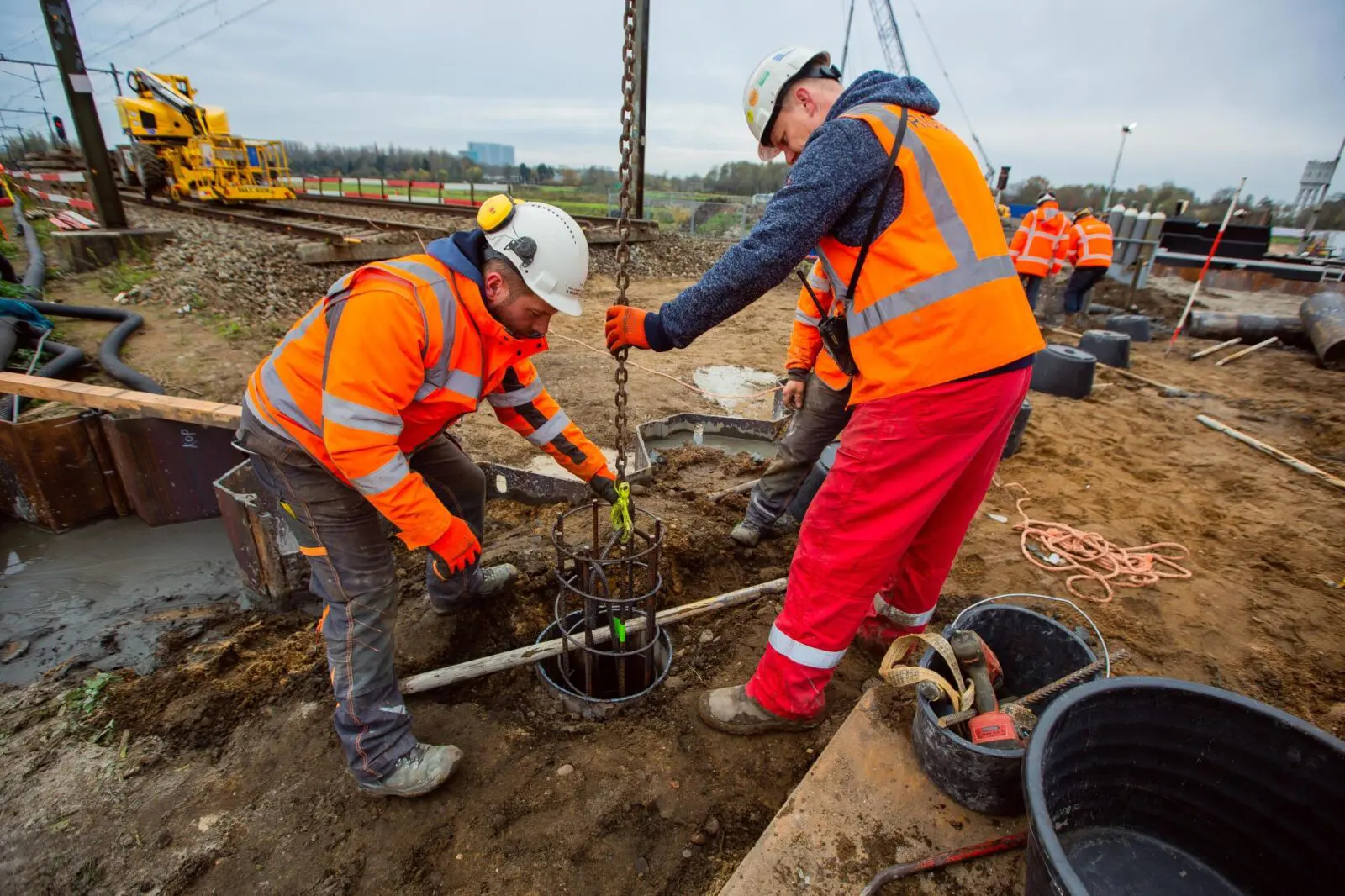
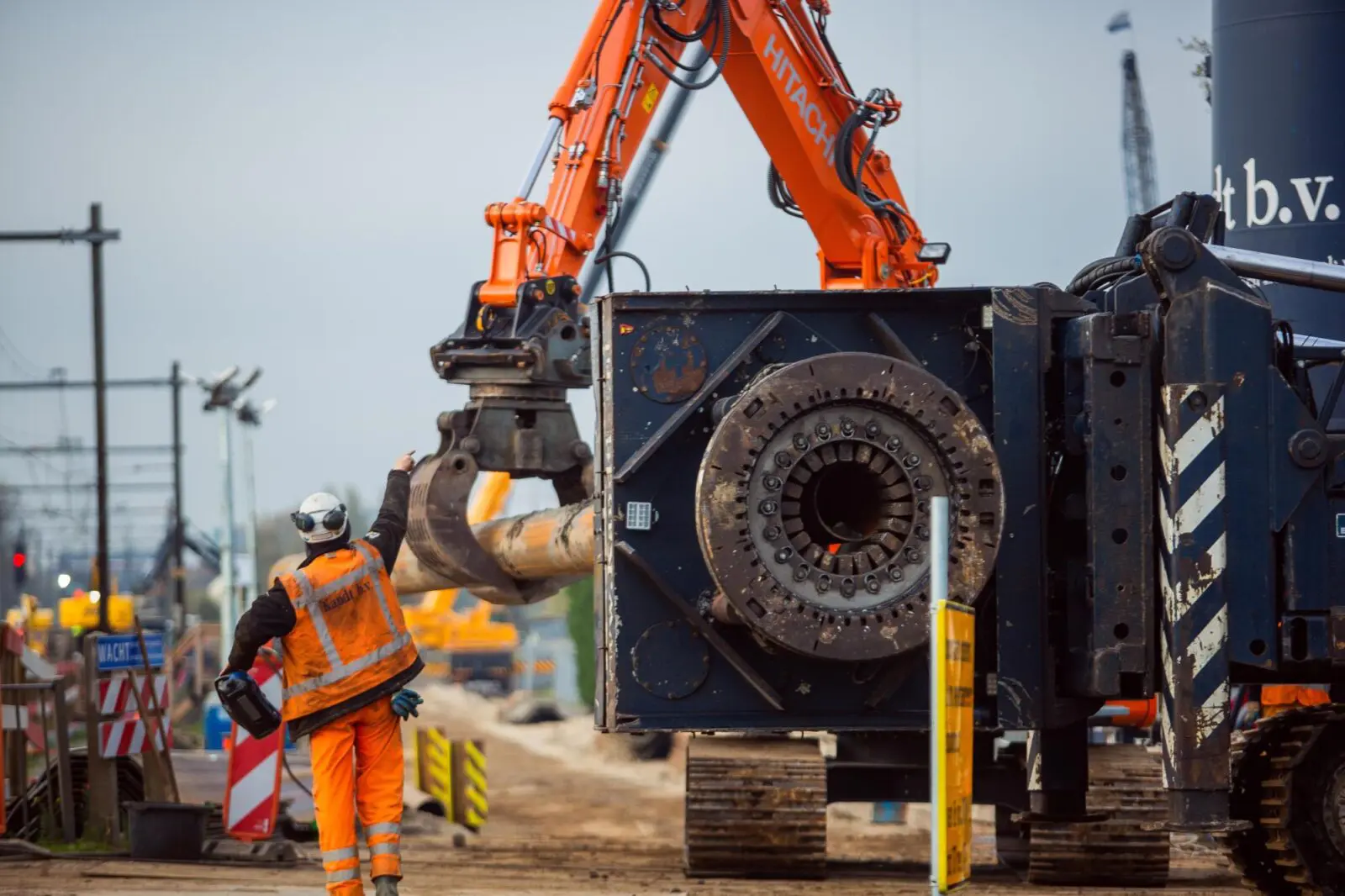
Rail travel is one of the most sustainable modes of transport, and demand continues to grow. To accommodate this increase and improve connectivity between major cities, Strukton has delivered a comprehensive upgrade to the rail infrastructure between Rijswijk and Rotterdam as part of the Dutch High-Frequency Rail Transport Programme (PHS).

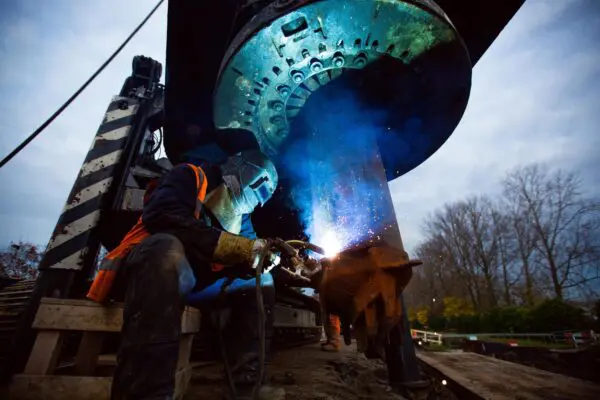
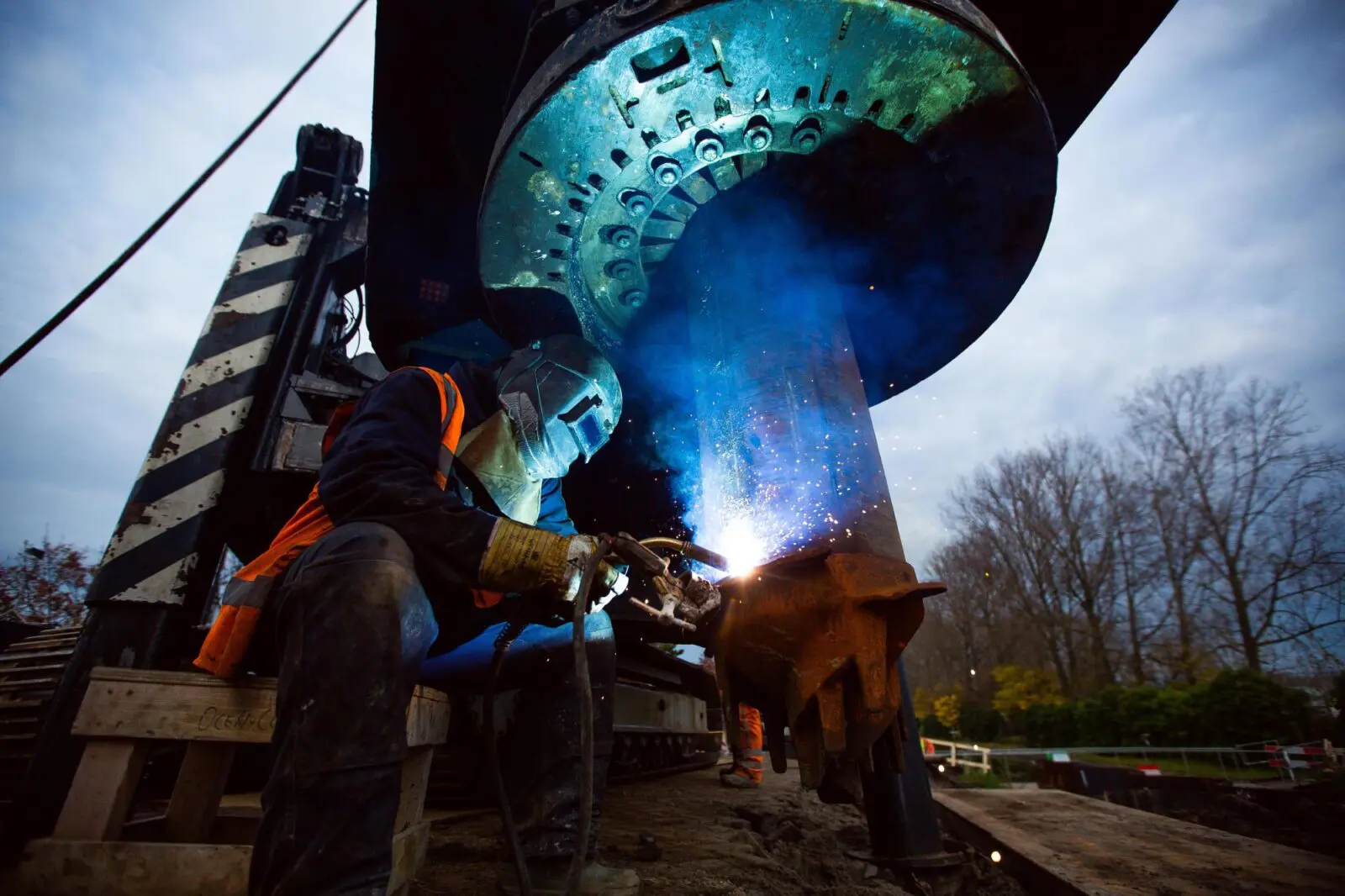
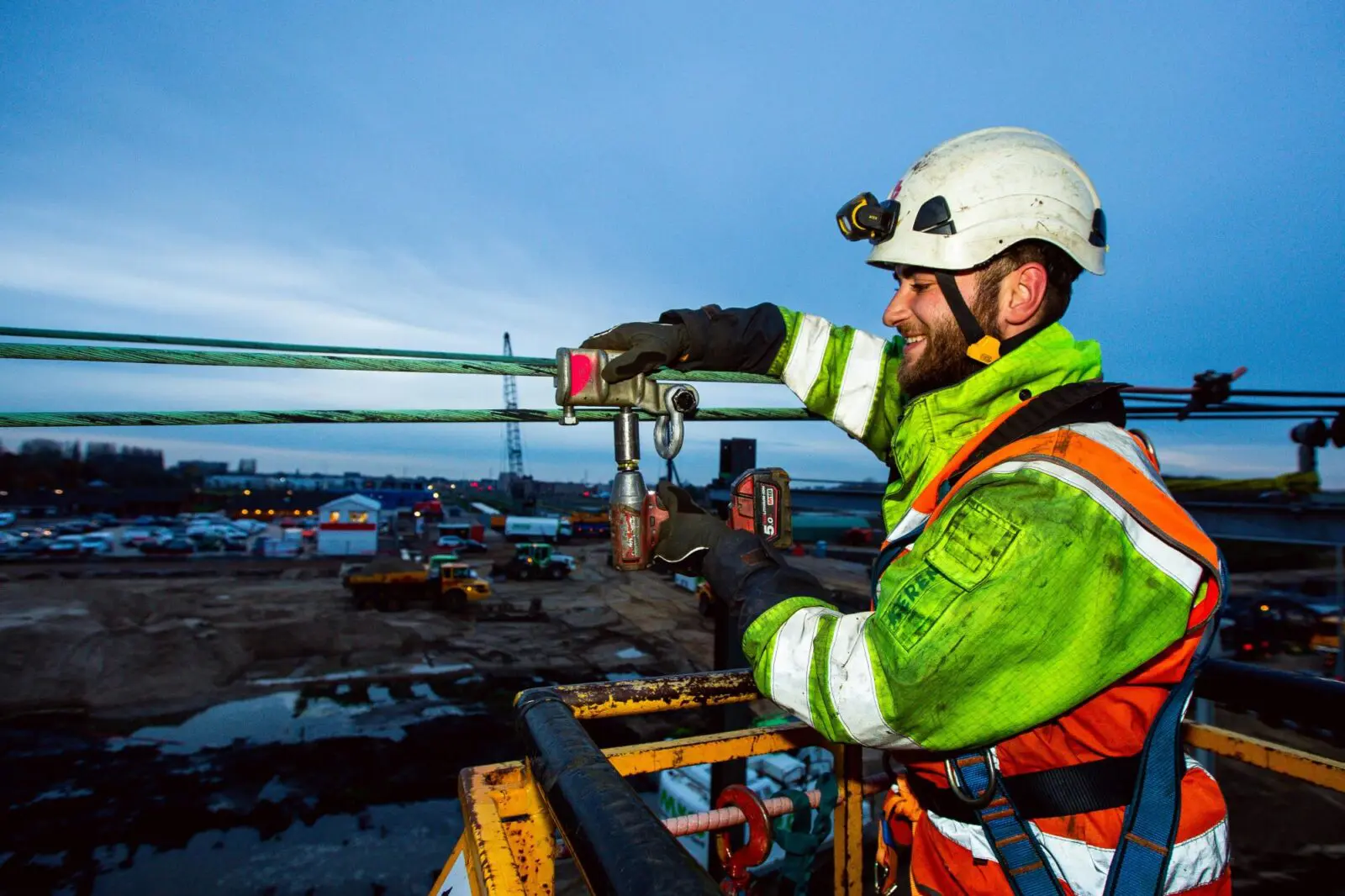
This large-scale, multidisciplinary project involved civil engineering, rail systems, environmental solutions and stakeholder coordination. The result: a safer, more efficient and future-proof network that supports sustainable mobility.

Key improvements include:

  • Four-track expansion between Rijswijk and Delft Campus, doubling capacity and enabling up to eight intercity and six local trains per hour in each direction.
  • Enhanced safety and flow through the construction of a new underpass in Rijswijk, replacing a level crossing.
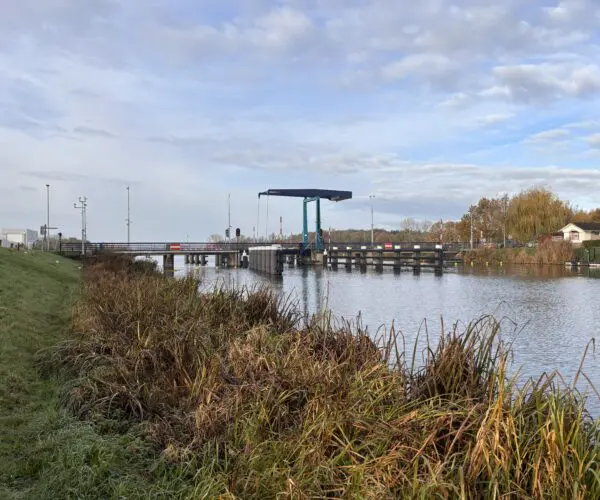
  • A new rail bridge over the Kerstanjewetering, designed for four tracks and improved waterway clearance.
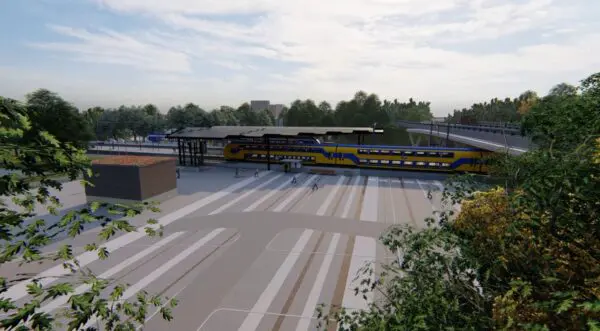
  • Station Delft Campus – the first energy-neutral station in the Netherlands, featuring a solar-panel roof, improved accessibility and a new pedestrian and cycle tunnel for safe connections.

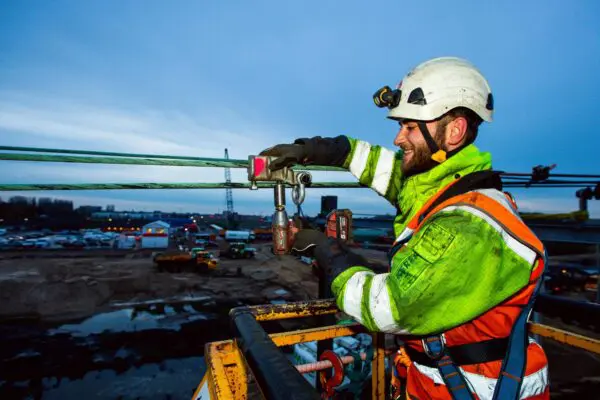
Throughout the works, Strukton applied smart phasing and innovative methods to minimise disruption for passengers and residents, reducing the impact period at Delft Campus from two years to just six months. Continuous dialogue with stakeholders ensured transparency and collaboration at every stage.

Sustainability at the core

From energy-neutral station design to optimised construction processes, this project demonstrates how integrated engineering solutions can deliver greener, safer and more efficient transport infrastructure. By increasing capacity and reliability, we make rail travel even more attractive – supporting the transition to sustainable mobility for generations to come.

Onderdeel van een programma

Het project was onderdeel van het Programma Hoogfrequent Spoorvervoer (PHS) en valt onder de verantwoordelijkheid van het ministerie van Infrastructuur en Waterstaat. Het project werd gefinancierd door het ministerie, met bijdragen van de Metropoolregio Rotterdam Den Haag, de provincie Zuid-Holland en de gemeenten Rijswijk en Delft.
Relevant articles

Previous slide
Next slide

Frequently asked questions

Find answers to frequently asked questions here.

How is sustainability incorporated into station upgrades and rail‑infrastructure works?

Sustainable station construction uses circular and recycled materials, optimised soil management and energy‑efficient construction methods. Rail organisations like Strukton also invest in low‑emission equipment, recycled contact wires, and sustainable construction logistics to reduce their carbon footprint. Many civil and rail contractors apply environmental management procedures to lower noise, emissions and waste during work in dense urban stations.

How do modern digital tools such as BIM and reality‑capture models improve station construction?

Advanced tools like BIM, 3D reality models, digital asset mapping and rail‑data systems support accurate planning, clash detection and risk reduction. These technologies allow teams to simulate construction stages, coordinate disciplines, and maintain rail operations more effectively. European rail organisations increasingly use digital models to ensure safe, sustainable and predictable delivery of infrastructure upgrades.

Why is an integrated, multi‑disciplinary approach essential for modern station projects?

Station upgrades typically combine civil engineering, rail systems, structural works, cable and pipeline installation, telecom systems, travel‑information systems, platform construction, underpasses and bicycle parking. Integrating these disciplines under one coordinated framework reduces delays, prevents spatial conflicts and improves safety. Rail infrastructure specialists with Short Line, Rail‑Civil and engineering units routinely apply this integrated method in complex environments.

How can construction work continue safely while a station remains operational?

Working in a live station environment requires holistic and precisely synchronised planning. Multidisciplinary teams coordinate construction windows, material deliveries, rail possessions and stakeholder activities to minimise disruption to passengers and train services. This approach is used widely in complex rail environments across Europe, where rail contractors must maintain availability while executing renewal and upgrade works

What makes station construction and renovation uniquely complex?

Stations function as multimodal mobility hubs, where pedestrians, cyclists, buses, trams, taxis, trains and commercial activities converge. This density of movements requires careful planning, integrated construction phasing and coordination across many disciplines to maintain safety and accessibility. Station projects often involve platform reconstruction, track works, switches, overhead lines, underground structures, commercial areas and public‑space upgrades all at once

What are key considerations in designing and maintaining railway bridges?

Railway bridges must withstand heavy axle loads, dynamic vibrations and increasing train frequencies. Important considerations include structural stiffness, fatigue resistance, long‑term durability and compatibility with electrification systems. With many European railway bridges exceeding 50–100 years of age, strengthening methods such as composite overlays, high‑strength materials and smart monitoring systems are increasingly used to extend lifespan and ensure safe operations.

What control systems are required for safe and reliable operation of movable bridges?

Movable bridges rely on advanced bridge‑control and monitoring systems that manage mechanical movements, ensure safety interlocks, support remote operation and monitor real‑time performance. Modern systems integrate sensors, automation and fail‑safe logic to guarantee safe bridge openings while coordinating with traffic, vessels and other infrastructure elements. Many engineering firms specialising in rail and civil infrastructure provide expertise in designing, upgrading and maintaining such systems.