





To main content To navigation

Schiphol Rail Tunnel Renewal

View all Projects
Schipholtunnel

Client

ProRail

Location

Schiphol

Status

Opgeleverd

Owner

Strukton Rail

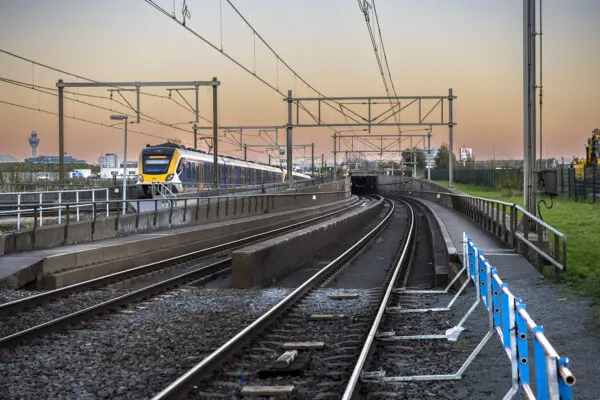
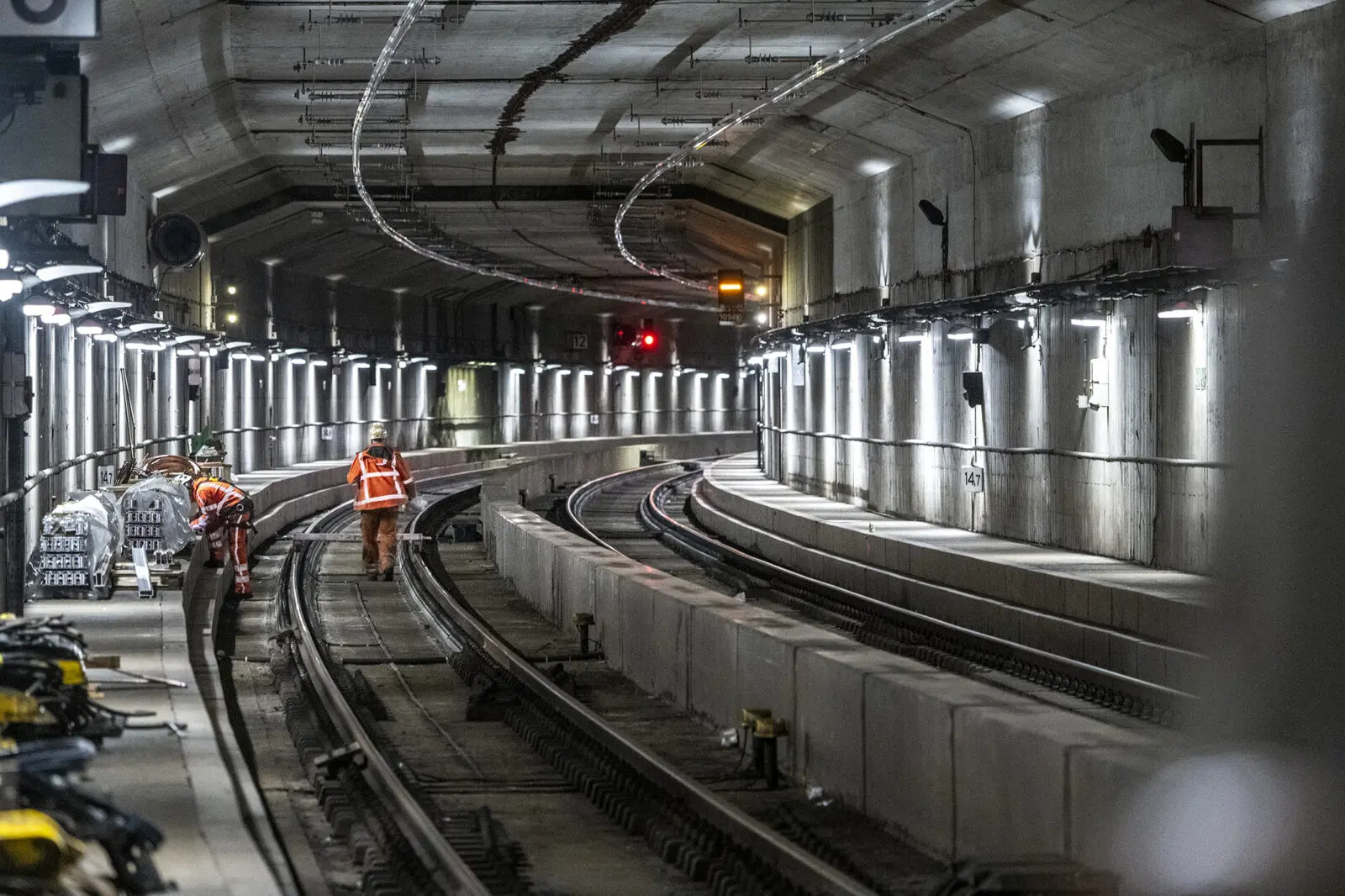
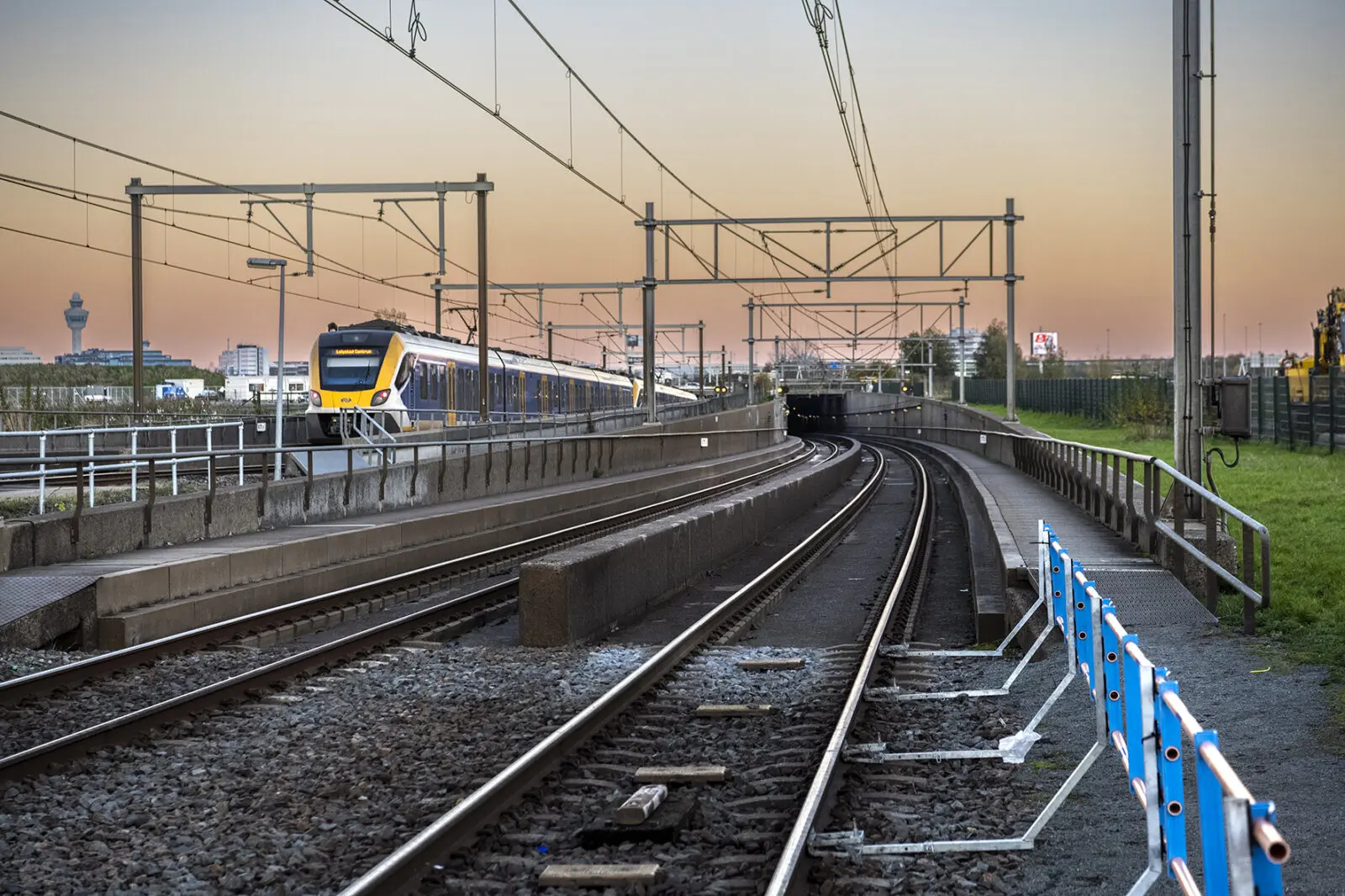
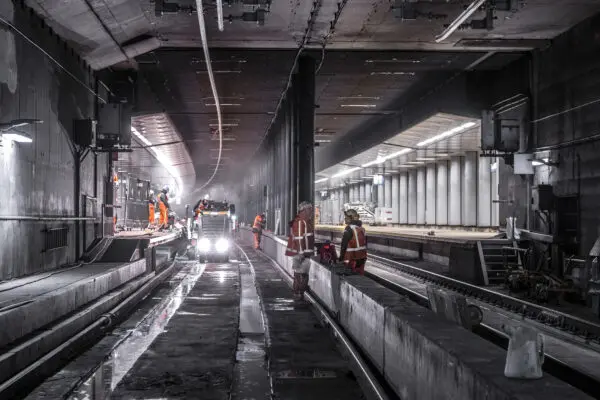
The Schiphol Rail Tunnel is a vital link in the Dutch rail network, serving over 100,000 passengers daily and handling more than 52 trains per hour. After decades of intensive use, the infrastructure inside the tunnel is due for renewal. Strukton, in partnership with VolkerRail under the SVS (StruktonVolkerSchiphol) alliance, is delivering this ambitious upgrade to prepare the tunnel for the next 40 years.

Working in a live tunnel environment

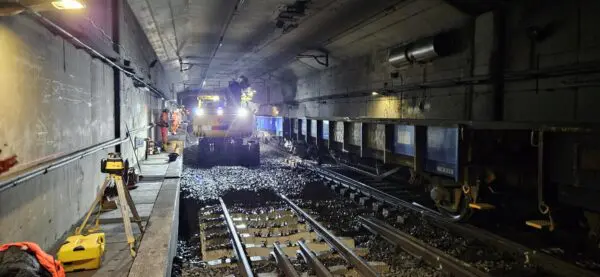
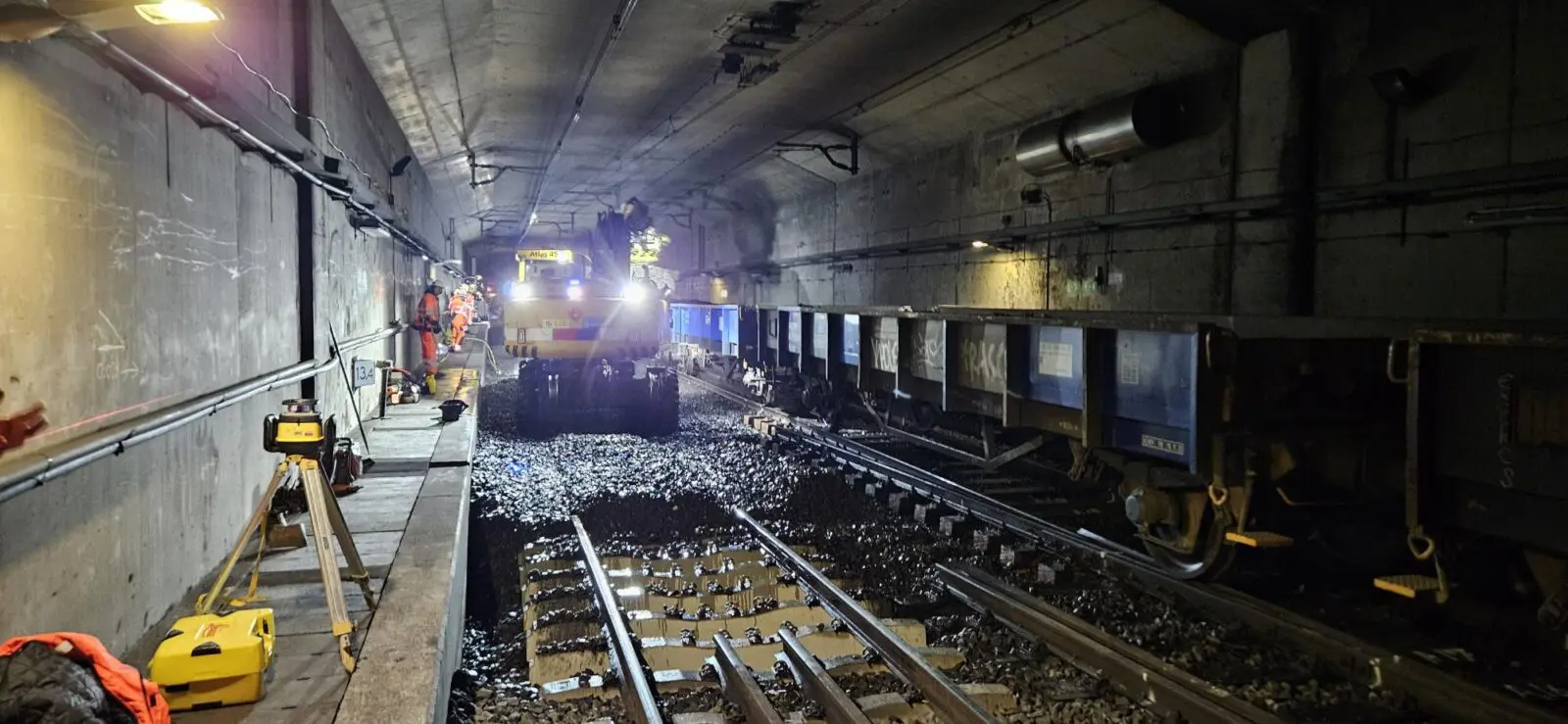
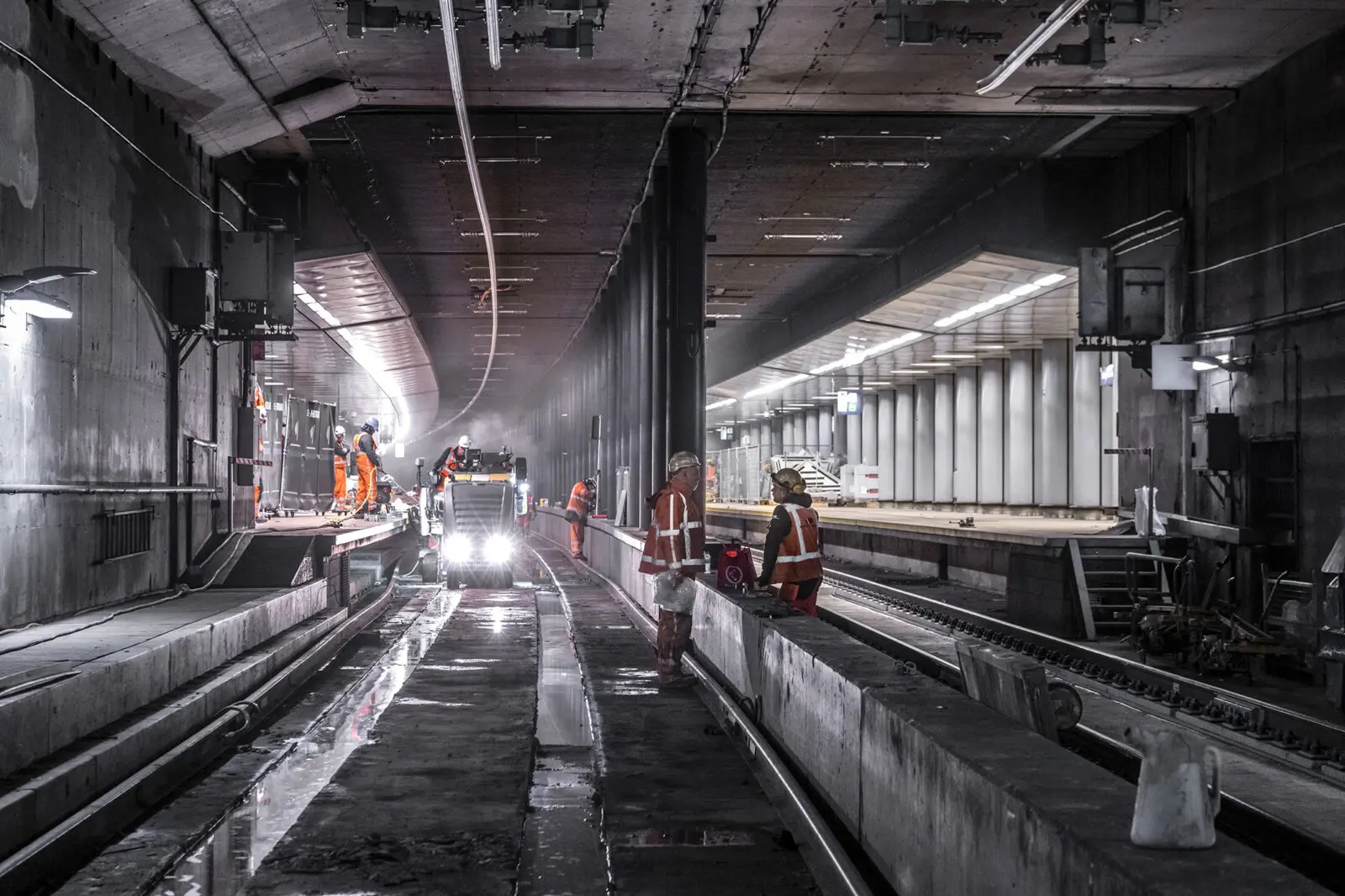
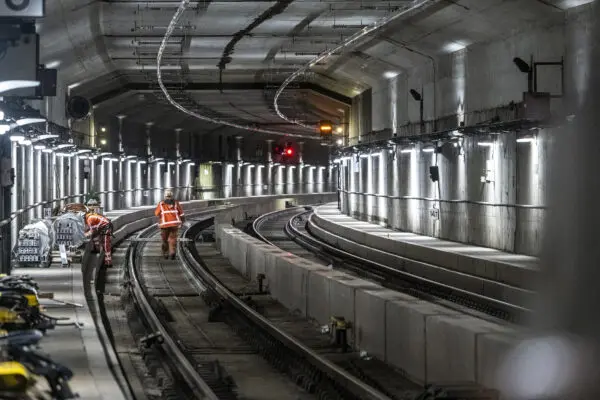
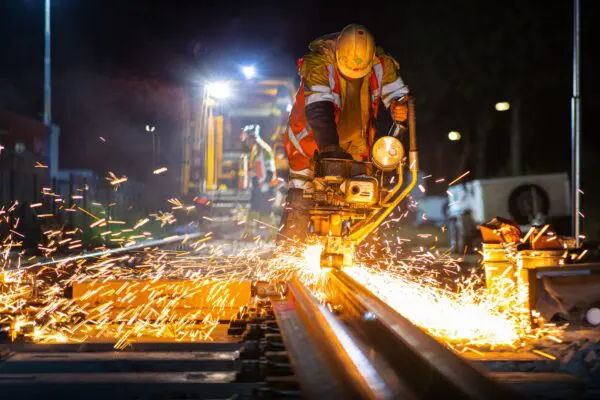
Renewing rail infrastructure in a tunnel beneath one of Europe’s busiest airports is a logistical and technical challenge. To complete the works safely and efficiently, 39 train-free periods have been scheduled until 2028. During these windows, teams work intensively to replace tracks, sleepers and switches, install a new conductor rail system, and upgrade train protection systems. Platforms are being raised to improve accessibility, using an innovative beam track design that offers a longer lifespan and reduced maintenance.

Innovation and safety at the forefront

One of the most distinctive aspects of this project is the removal of smoke-absorbing wall and ceiling panels in the oldest tunnel tube. These panels were fixed with adhesive containing asbestos fibres, requiring a specially developed method to ensure the highest safety standards for workers and passengers. Once complete, the new overhead conductor rail will be mounted on a clean, safe surface.

Collaboration and precision planning

With Schiphol Plaza and one tunnel tube remaining operational throughout, dust control, noise reduction and passenger safety are critical. Advanced monitoring, QR-code feedback for travellers, and real-time coordination between all stakeholders help minimise disruption. This level of collaboration – involving ProRail, NS, Schiphol, passenger associations and contractors – ensures that even in a complex environment, the work proceeds smoothly and safely.

A future-proof solution

By introducing innovative track systems, advanced safety measures and sustainable design principles, Strukton is helping to secure the reliability and efficiency of this crucial transport hub for decades to come.


Relevant articles

Previous slide
Next slide

Frequently asked questions

Find answers to frequently asked questions here.

How do European contractors ensure innovation in tunnel construction?

Innovation comes from combining specialised tunnel engineering, advanced excavation methods, digital design tools, smart asset‑management systems and international knowledge exchange. For example, Italian expertise within the Strukton group includes high‑precision construction and renewal of rail tunnels and underground metro lines, contributing decades of experience and advanced methods to tunnel projects across Europe.

What engineering solutions are used to build or renovate underpasses safely and efficiently?

Underpasses require robust structural design to manage soil loads, groundwater pressure and proximity to rail or road traffic. Typical works include cut‑and‑cover construction, pre‑fabricated elements, foundation works, waterproofing, drainage and integration with surface infrastructure. Engineering teams also coordinate utilities, telecoms and mobility interfaces to ensure safe and efficient movement above and below ground.

How are tunnel and underpass upgrades executed while keeping traffic or rail operations running?

In both rail and road environments, work often takes place under live conditions. This requires detailed staging, temporary diversions, night or weekend possessions, and precise coordination of civil works, MEP systems and tunnel‑technical installations. Rail organisations in the Netherlands, Scandinavia and Italy routinely work in active networks, applying strict safety regimes and disciplined planning to minimise disruption.

What makes railway tunnels more complex than typical road tunnels?

Railway tunnels must meet additional requirements such as accommodating overhead lines, track systems, power supply, signalling, emergency walkways, drainage and smoke‑control measures. They also require precise track geometry and maintenance methods suited for high‑speed or heavy‑rail operation. Leading European firms specialise in design, construction and renewal of railway tunnels, ensuring safe integration with the broader rail network.

How is the maintenance and lifecycle management of tunnels organised?

Tunnel maintenance includes routine inspections, cleaning, functional checks of technical systems, and structural assessments. Rail‑sector standards classify tunnels by geometry, lining material and condition, and require periodic and extraordinary inspections to assess structural integrity and safety risks. Asset‑management‑driven maintenance ensures tunnels remain safe, available and fit for increasing traffic volumes over decades.

What types of technical installations are critical for safe tunnel operation?

Tunnels depend on a broad suite of tunnel technical installations, including fire‑safety systems, ventilation, lighting, signalling, traffic control, emergency communications and structural monitoring. These systems must be designed, installed and maintained according to strict safety and performance standards. Regular inspections and data‑driven maintenance are essential for keeping these installations reliable throughout the tunnel’s lifecycle.

Why is integrated, multidisciplinary delivery essential for tunnel and underpass projects?

Tunnel and underpass construction brings together many disciplines: structural engineering, geotechnics, MEP systems, safety installations, rail systems, cabling, telecom, power supply and monitoring. Successful delivery requires end‑to‑end coordination, often managed by organisations that combine in‑house specialists with trusted long‑term partners across the value chain. This integrated approach ensures seamless execution in complex environments and supports long‑term operability.