To main content To navigation

Real-Time Monitoring of TenneT Substations

View all projects
Realtime monitoring van TenneT-stations

Expertises

Asset management, Power

Real-Time Insight into the Condition of Substation Assets

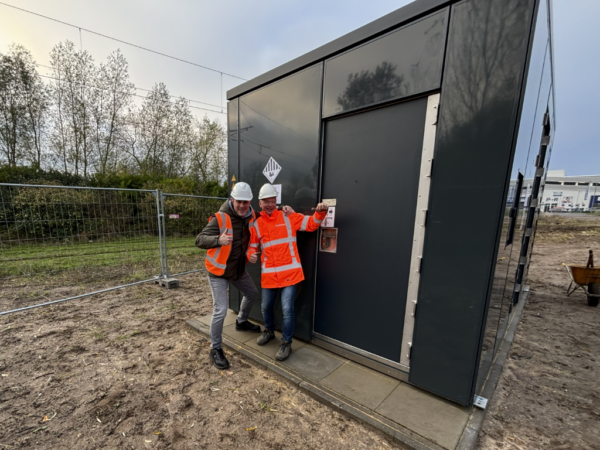
The Netherlands has more than 400 high-voltage substations operated by TenneT. These substations form an indispensable link in the country’s energy supply. As installations age, the need for up-to-date and reliable information about asset condition increases. With the E-POSS monitoring system, Strukton provides real-time insight into the performance of critical components within these substations.

The Challenge

Traditionally, many inspections are carried out on site to determine the condition of assets. This requires time, personnel and additional travel. At the same time, the need for data is growing in order to organise maintenance in a smarter and more predictable way.

TenneT was therefore looking for a solution that would make relevant asset data continuously available, without relying on manual inspections.

The Solution

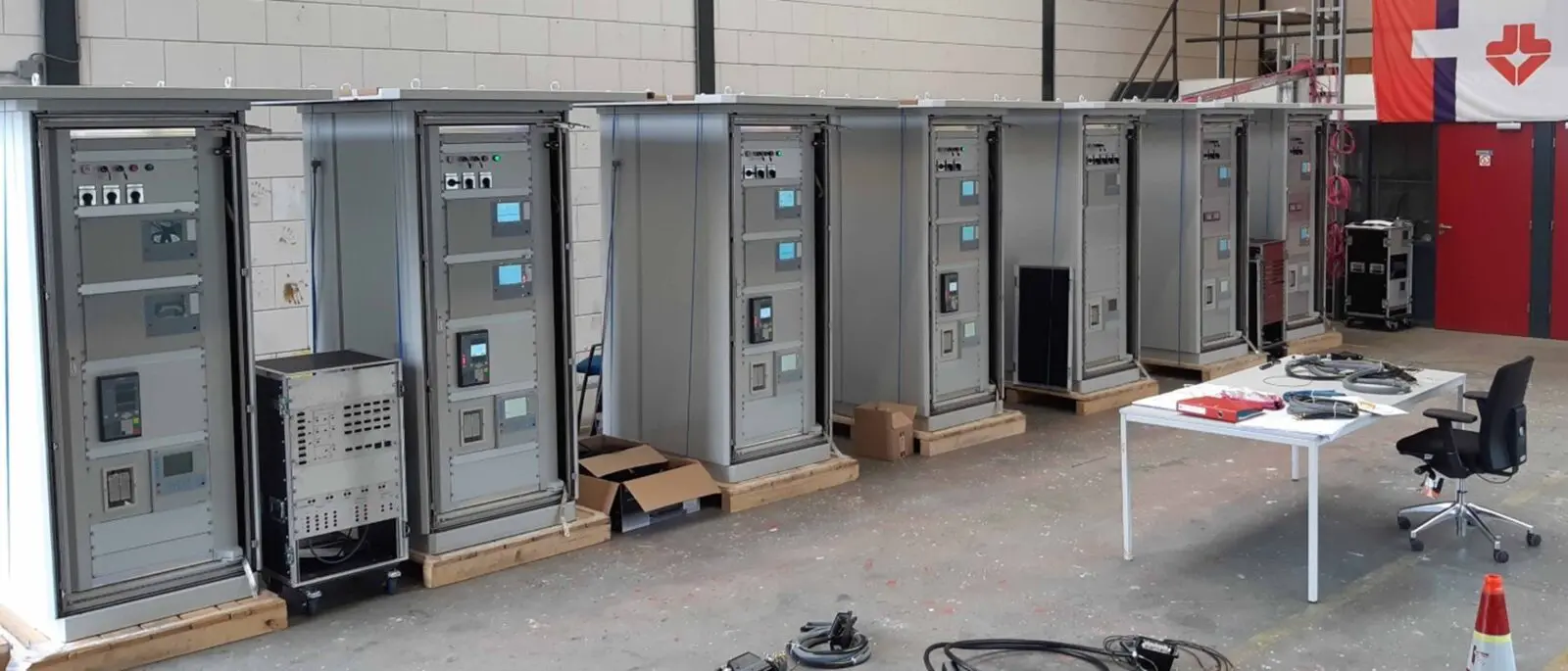
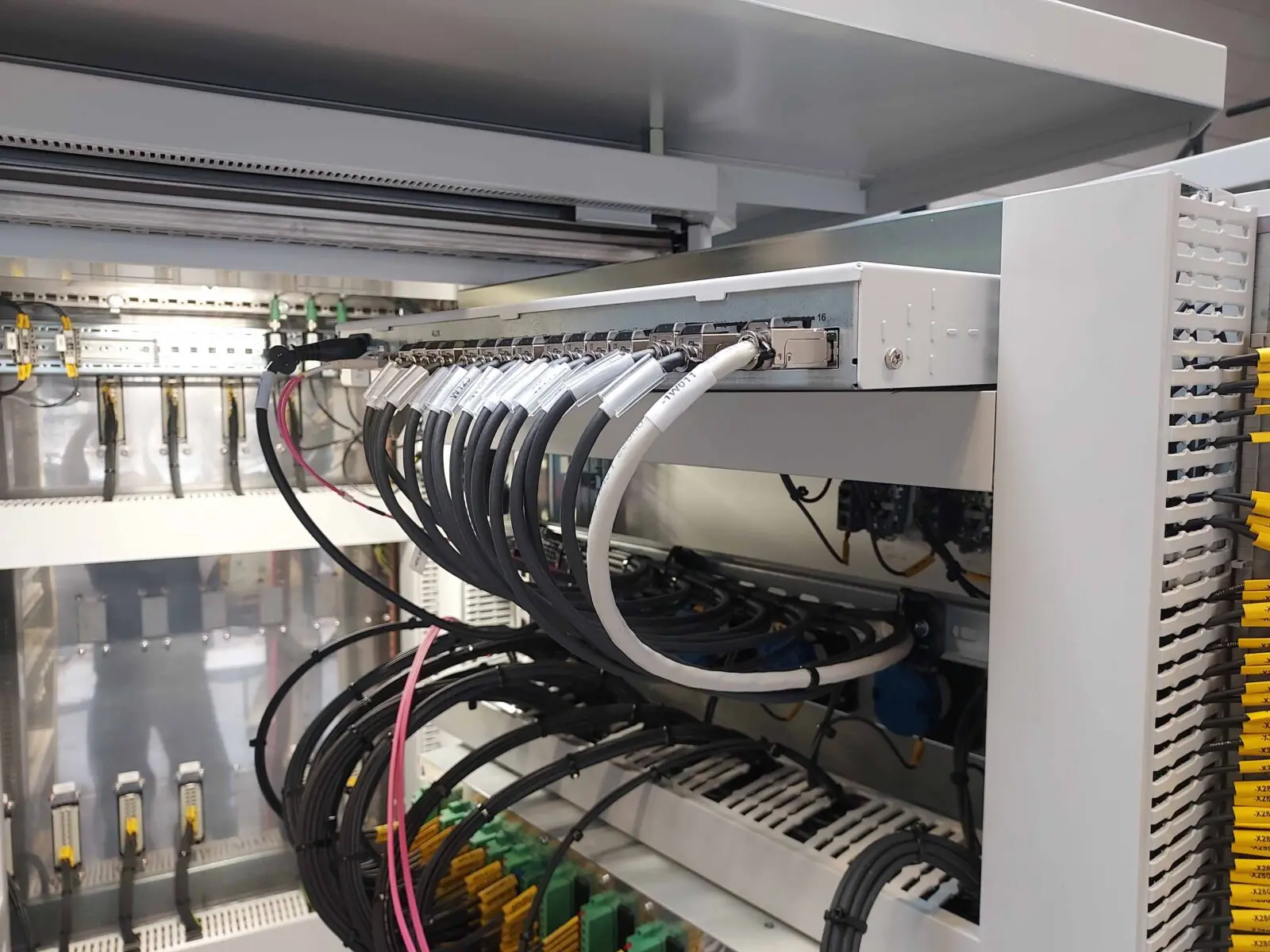
To address this challenge, Strukton deploys the E-POSS monitoring system. This system continuously collects data from the substation, including motor current measurements from disconnectors and earthing switches.

E-POSS is an open monitoring platform that collects, analyses and makes large volumes of data available through a centralised environment. This provides real-time insight into the performance and condition of installations.

The collected data can also be used as input for asset management applications, such as TenneT’s Health Index.

The Result

With E-POSS, TenneT always has access to up-to-date substation data. Deviations and trends become visible at an earlier stage, enabling maintenance to be planned and executed more effectively.

The benefits include:

  • Real-time insight into asset condition
  • Fewer on-site inspections and fault response visits
  • Lower maintenance and operational costs
  • Reduced travel requirements and therefore lower CO₂ emissions
  • Better support for maintenance and replacement decisions

Data as the Foundation for Future-Proof Asset Management

By making relevant data continuously available, E-POSS helps TenneT move from reactive to predictive maintenance. The result is a more reliable energy system, while costs and environmental impact are reduced.

E-POSS transforms asset data into valuable insights and supports grid operators in achieving smart, sustainable and future-proof asset management.

Relevant articles

Previous slide
Next slide

Frequently asked questions

Find answers to frequently asked questions here.

How do converter stations and feeder stations support modern rail operations?

Converter stations and feeder stations ensure that rail networks receive the correct voltage and frequency, even as traffic intensifies or train weights increase. Mobile and permanent installations provide flexibility, strengthen weak network sections and support international rail corridors with varying technical requirements.

What types of power‑supply systems are used to provide reliable energy for rail transport?

Reliable rail transport depends on dedicated AC and DC power‑supply systems, including converter stations, feeder stations, traction‑power substations and mobile energy‑supply units. These systems enable stable and resilient power delivery for heavy rail, metro, tram and light‑rail networks across Europe.

How do smart grid solutions help optimise existing electricity infrastructure?

Smart grid solutions improve network performance by capturing, storing and reusing energy more intelligently. Technologies such as mobile or modular substations, regenerative systems and energy‑storage units help reduce peak loads, increase efficiency and make better use of the existing grid — reducing both costs and environmental impact. An example is Strukton’s Energy Bank (OV energiebank).

What civil engineering works are needed to build and upgrade energy networks?

Modern energy networks rely on extensive civil engineering works, including the construction of high‑voltage substations, transmission‑line foundations, access roads, cable routes and site preparation for electrical stations. These works form the physical backbone that allows grid operators to expand capacity safely and efficiently.

Why is expanding the electricity grid essential for Europe’s energy transition?

Expanding the electricity grid is crucial to support increasing demand from renewable energy, electric mobility, gas‑free homes and growing data‑center capacity. A larger and stronger grid ensures reliability, prevents congestion and enables the seamless integration of solar, wind and other sustainable energy sources.

For which types of infrastructure is asset management relevant?

Asset management applies to rail infrastructure, roads, tunnels, waterways and all other civil structures where safety, availability and sustainability are essential. Whether managing complex rail networks or urban mobility systems, modern asset management frameworks—often supported by AI and predictive analytics—strengthen performance and ensure future‑proof infrastructure across Europe.

How does asset management support infrastructure renewal?

Data‑driven asset management provides an understanding of the condition and remaining lifespan of existing structures and assets. This insight enables infrastructure owners to plan renovations and renewals more efficiently, allocate investments wisely and reduce environmental impact by avoiding premature replacement. Advanced asset analytics help organisations make smart decisions and prioritise upgrades where they deliver the most value.