




To main content To navigation

Noord/Zuidlijn Metro Station at Amsterdam Central

View all Projects
Noord/Zuidlijn metrostation Amsterdam CS

Client

Gemeente Amsterdam, Dienst Noord/Zuidlijn

Location

Amsterdam

Status

Opgeleverd

How do you build a metro station and tunnel beneath a historic landmark while trains keep running and passengers continue to use the station? This was the challenge Strukton faced during the construction of the Noord/Zuidlijn at Amsterdam Central Station. Through smart solutions and innovative techniques, the project was successfully delivered.

Building with the station in operation

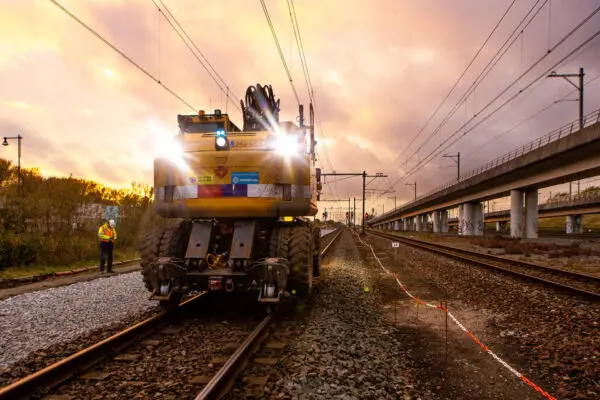
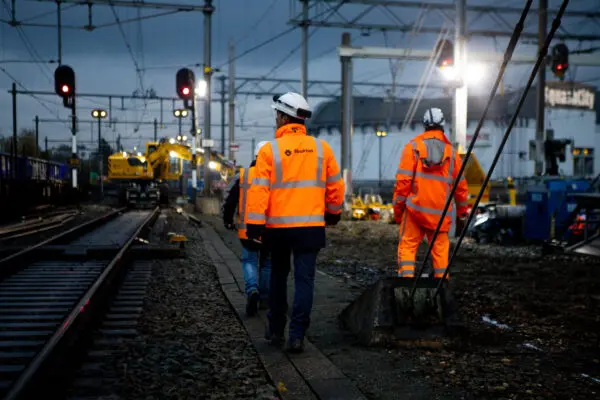
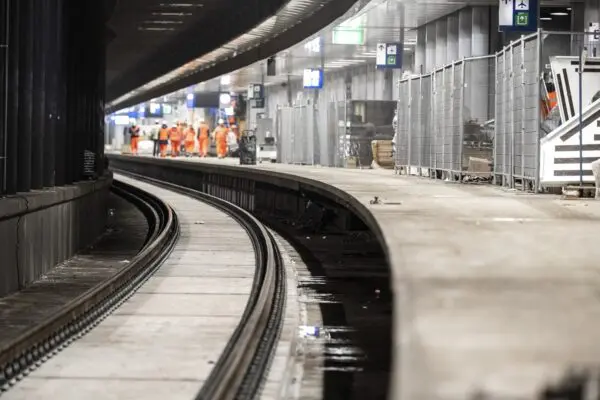
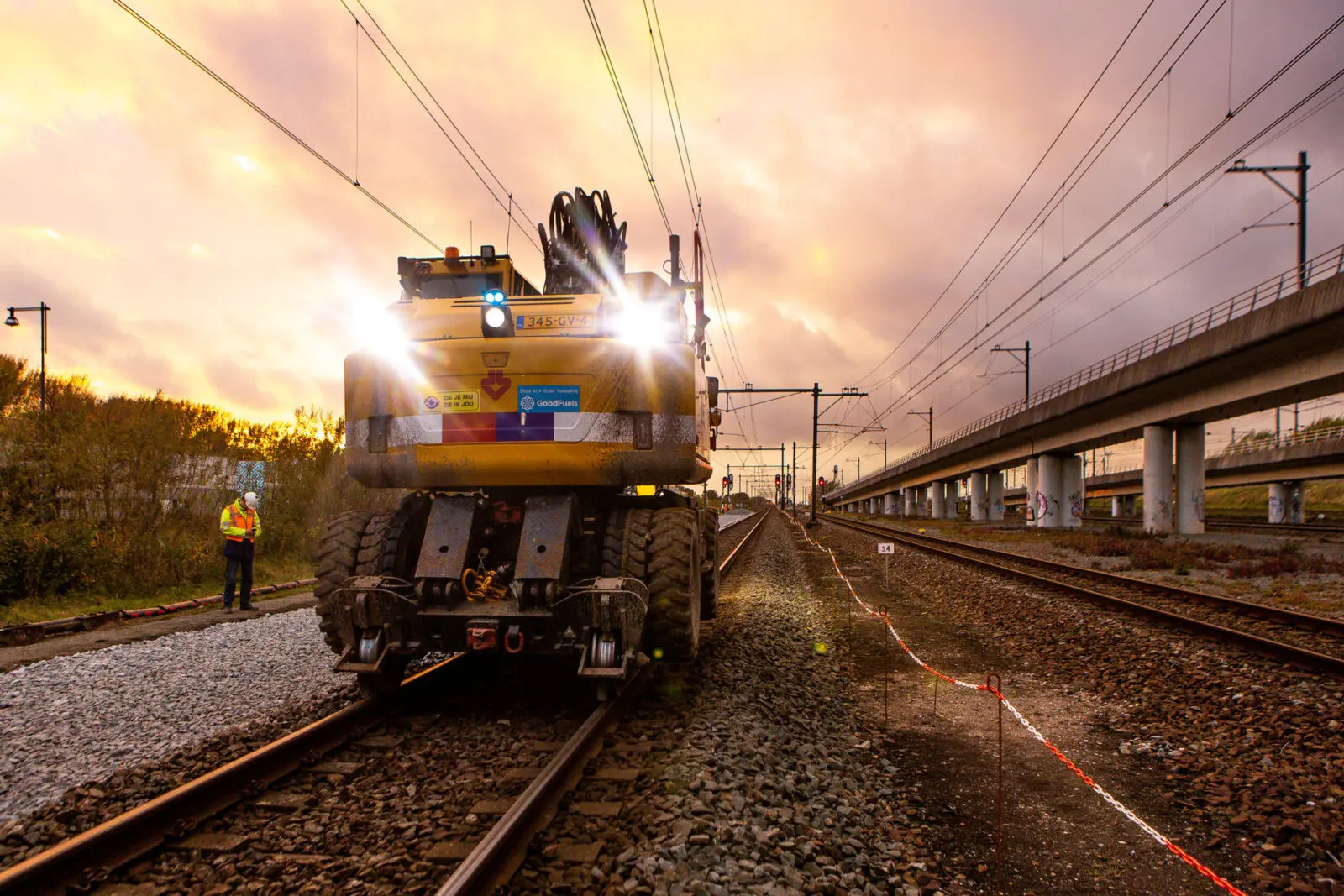
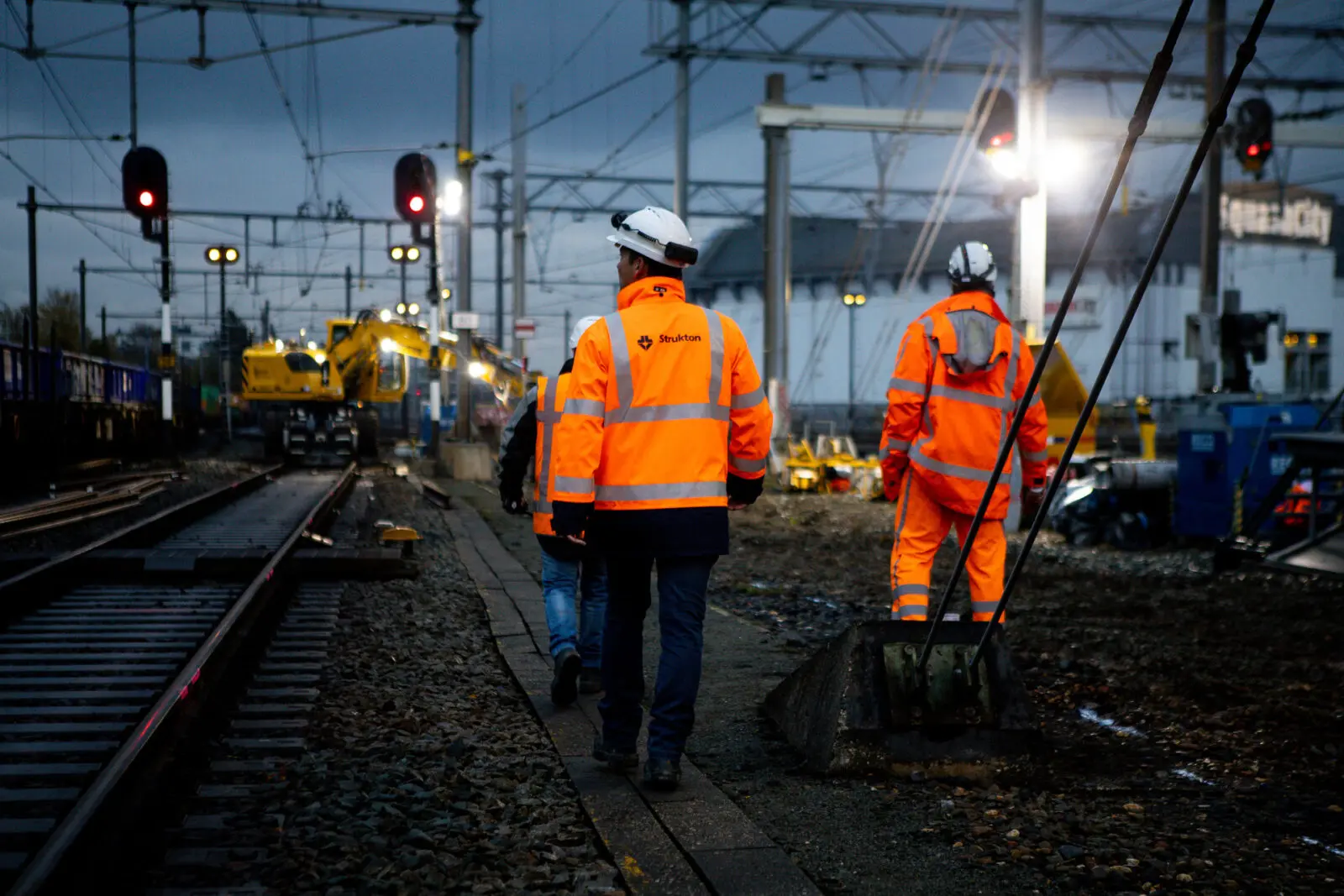
One of the key requirements was to keep the station fully accessible for travellers throughout the works. This demanded meticulous planning and coordination. Measures such as dust screens and night-time construction helped minimise disruption, while noise and visual impact were kept to a minimum.
Noord/Zuidlijn metrostation Amsterdam CS

Precision engineering below a monument

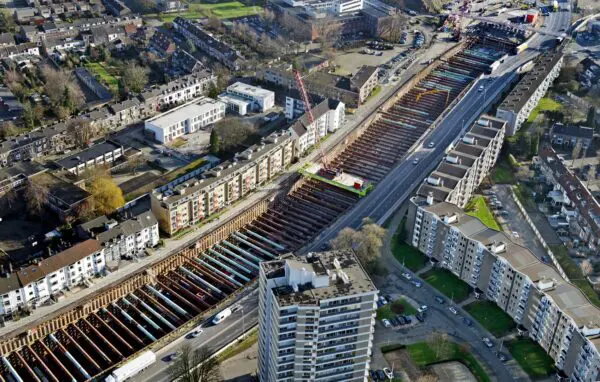
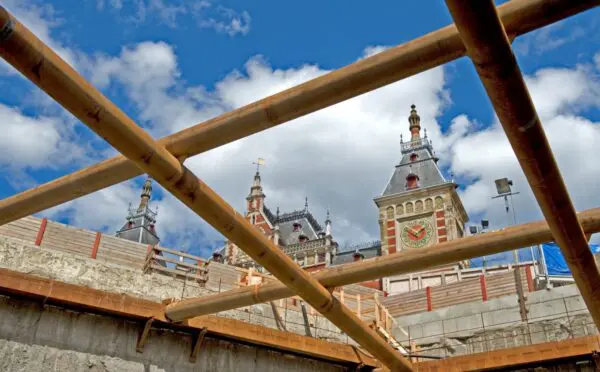
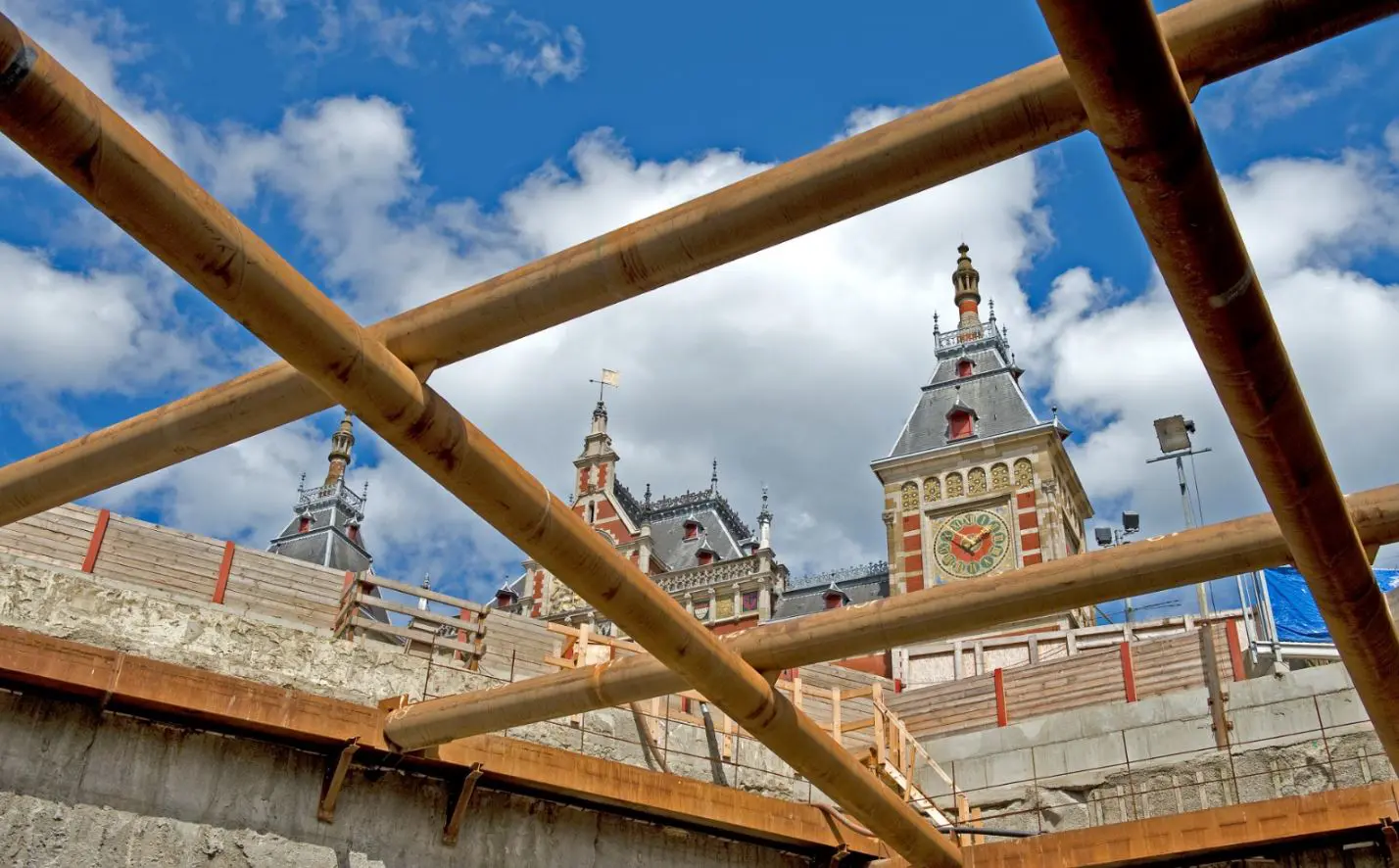
The metro station lies 20 metres below the station forecourt, directly in front of the main entrance. To protect the historic building, Strukton implemented 24/7 monitoring with 5,500 precision points to detect even the slightest movement. This allowed immediate intervention if necessary, ensuring the integrity of the monument throughout the works.

The construction involved creating a roof structure first, enabling excavation and building activities to proceed underneath without disturbing the station above. The station’s striking design earned it the nickname “The Cathedral”.

Innovative tunnelling techniques

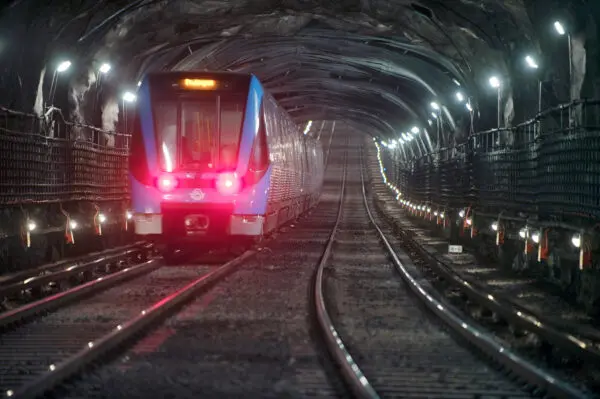
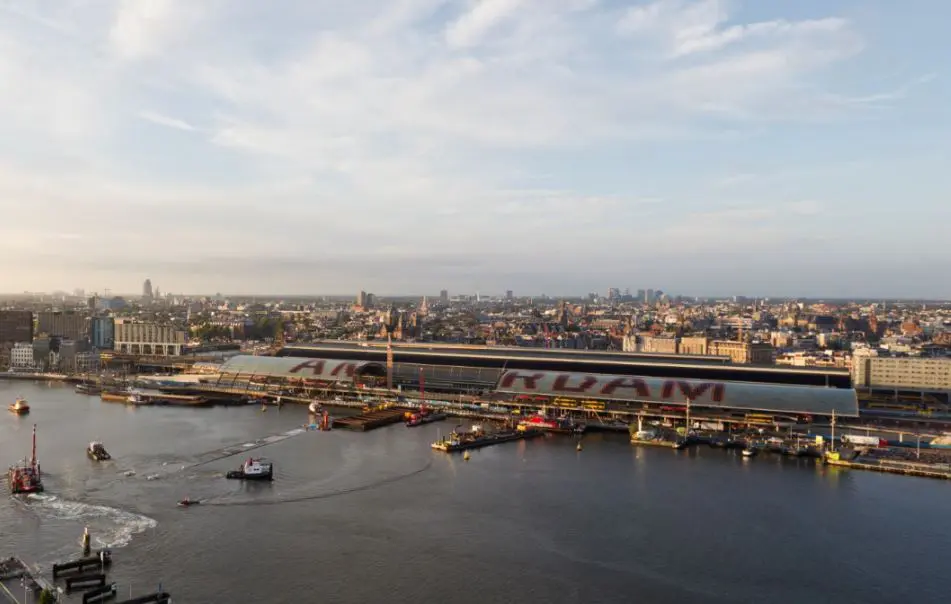
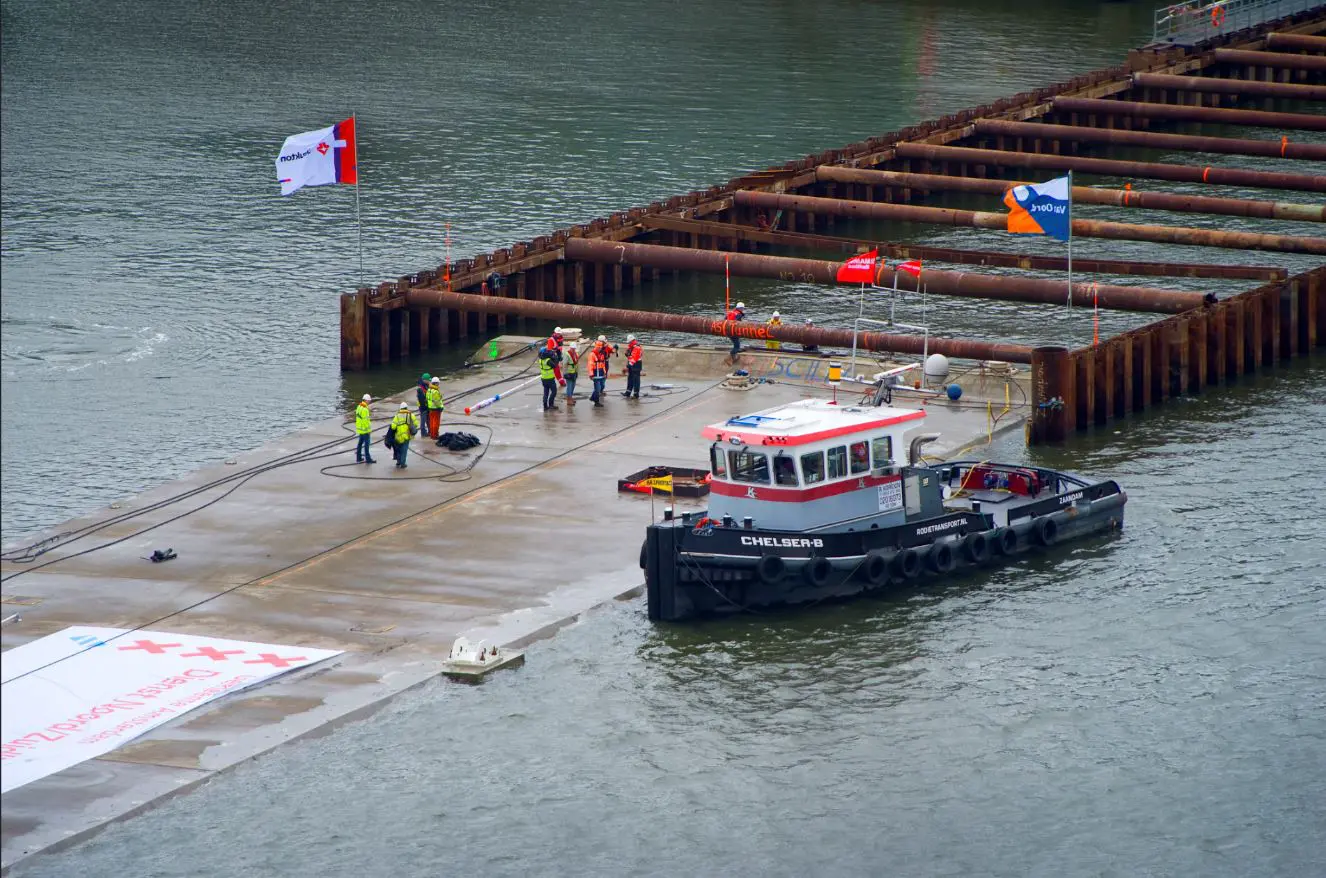
Before the tunnel could be installed, the station building and tracks were placed on a new foundation using a bespoke “table construction”. This required removing old wooden piles and replacing them with advanced support systems, including sandwich walls and vertical microtunnelling. Once complete, a trench was excavated beneath the table, and concrete tunnel elements were floated in from the IJ and sunk into position – a unique achievement in Dutch engineering.

A sustainable improvement for the city

The Noord/Zuidlijn opened on 22 July 2018, reducing travel time between Amsterdam North and South by 15 minutes. This project exemplifies Strukton’s ability to deliver complex, multidisciplinary infrastructure solutions in challenging urban environments, combining safety, sustainability and innovation.

Relevant articles

Previous slide
Next slide

Frequently asked questions

Find answers to frequently asked questions here.

How do European contractors ensure innovation in tunnel construction?

Innovation comes from combining specialised tunnel engineering, advanced excavation methods, digital design tools, smart asset‑management systems and international knowledge exchange. For example, Italian expertise within the Strukton group includes high‑precision construction and renewal of rail tunnels and underground metro lines, contributing decades of experience and advanced methods to tunnel projects across Europe.

What engineering solutions are used to build or renovate underpasses safely and efficiently?

Underpasses require robust structural design to manage soil loads, groundwater pressure and proximity to rail or road traffic. Typical works include cut‑and‑cover construction, pre‑fabricated elements, foundation works, waterproofing, drainage and integration with surface infrastructure. Engineering teams also coordinate utilities, telecoms and mobility interfaces to ensure safe and efficient movement above and below ground.

How are tunnel and underpass upgrades executed while keeping traffic or rail operations running?

In both rail and road environments, work often takes place under live conditions. This requires detailed staging, temporary diversions, night or weekend possessions, and precise coordination of civil works, MEP systems and tunnel‑technical installations. Rail organisations in the Netherlands, Scandinavia and Italy routinely work in active networks, applying strict safety regimes and disciplined planning to minimise disruption.

What makes railway tunnels more complex than typical road tunnels?

Railway tunnels must meet additional requirements such as accommodating overhead lines, track systems, power supply, signalling, emergency walkways, drainage and smoke‑control measures. They also require precise track geometry and maintenance methods suited for high‑speed or heavy‑rail operation. Leading European firms specialise in design, construction and renewal of railway tunnels, ensuring safe integration with the broader rail network.

How is the maintenance and lifecycle management of tunnels organised?

Tunnel maintenance includes routine inspections, cleaning, functional checks of technical systems, and structural assessments. Rail‑sector standards classify tunnels by geometry, lining material and condition, and require periodic and extraordinary inspections to assess structural integrity and safety risks. Asset‑management‑driven maintenance ensures tunnels remain safe, available and fit for increasing traffic volumes over decades.

What types of technical installations are critical for safe tunnel operation?

Tunnels depend on a broad suite of tunnel technical installations, including fire‑safety systems, ventilation, lighting, signalling, traffic control, emergency communications and structural monitoring. These systems must be designed, installed and maintained according to strict safety and performance standards. Regular inspections and data‑driven maintenance are essential for keeping these installations reliable throughout the tunnel’s lifecycle.

Why is integrated, multidisciplinary delivery essential for tunnel and underpass projects?

Tunnel and underpass construction brings together many disciplines: structural engineering, geotechnics, MEP systems, safety installations, rail systems, cabling, telecom, power supply and monitoring. Successful delivery requires end‑to‑end coordination, often managed by organisations that combine in‑house specialists with trusted long‑term partners across the value chain. This integrated approach ensures seamless execution in complex environments and supports long‑term operability.