



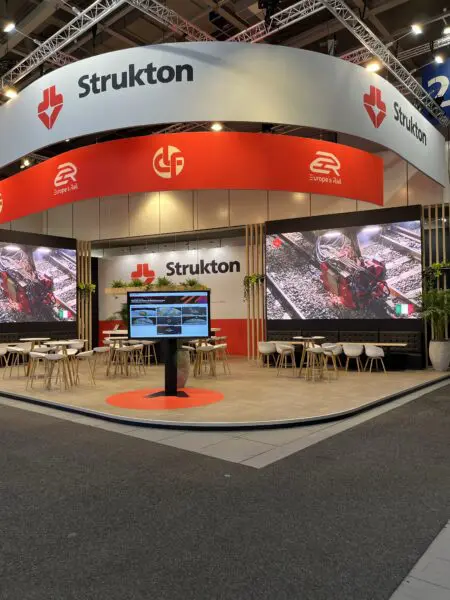
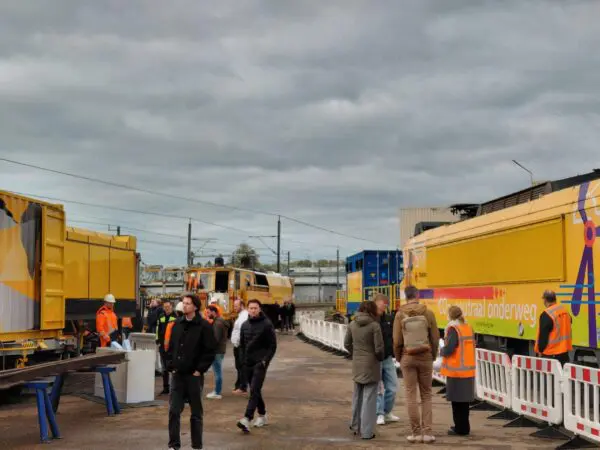
Looking Back on a Successful InnoTrans 2026
News
25 September 2026
Read the article
Expertises
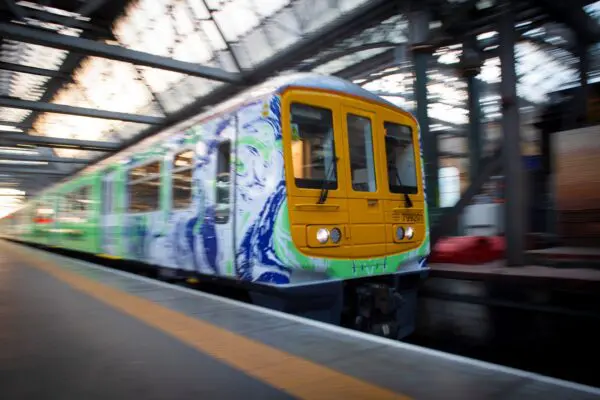
The United Kingdom is working towards a low-emission future for rail transport. As part of the Hydroflex project, an existing passenger train was converted into a hybrid propulsion system combining a hydrogen fuel cell with battery energy storage. This innovative combination enables sustainable operation on non-electrified railway lines.
Strukton played an important role in this pioneering project by developing a DC-DC converter for charging and discharging the battery system. In addition, our specialists were responsible for integrating the various energy systems within the vehicle.
A hybrid train requires intelligent interaction between hydrogen technology, battery storage and traction systems. The DC-DC converter designed by Strukton is a vital component in this process. The system manages the energy flows between the battery, fuel cell and traction system, ensuring reliable and efficient vehicle operation.
By integrating the different energy systems, a robust solution is created that combines performance, reliability and sustainability.
Hydroflex demonstrates how existing trains can be made more sustainable through innovative power electronics and energy storage technologies. The use of hydrogen and batteries reduces dependence on fossil fuels and provides a sustainable alternative for railway lines without overhead electrification.
With this project, Strukton supports the transition towards cleaner, future-proof public transport and contributes to the further sustainability of the European rail network.
Sales Manager
Strukton Systems

Retrofit allows existing vehicles to be modernised without the need for complete replacement. It reduces investment costs, extends the service life of the vehicle and enables sustainable upgrades while minimising operational disruption.
Customers choose Strukton because of our combined expertise in railway infrastructure, power electronics, electric propulsion, maintenance and sustainability. This enables us to provide integrated solutions throughout the entire lifecycle of rolling stock.
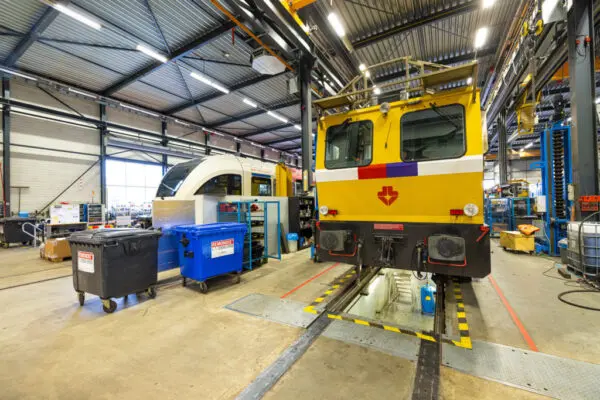
Yes. Through its specialised workshops, Strukton provides maintenance, technical asset management, inspections, overhauls, repairs and life extension services for rolling stock. These services are available for both Strukton-owned and third-party vehicles.
Yes. Strukton helps vehicle owners improve the sustainability of existing rolling stock. For example, diesel-powered vehicles can be converted to electric propulsion or equipped with advanced battery systems.
A traction system converts electrical energy into the power required to propel a rail vehicle. Strukton develops and integrates traction solutions for a variety of applications, ranging from shunting locomotives to metro vehicles and trams.
Strukton does not manufacture trains, but provides specialist services and technical solutions for rolling stock. These include electric drivetrains, traction systems, traction inverters, battery systems, maintenance, inspections, overhauls and retrofit projects for rail vehicles.
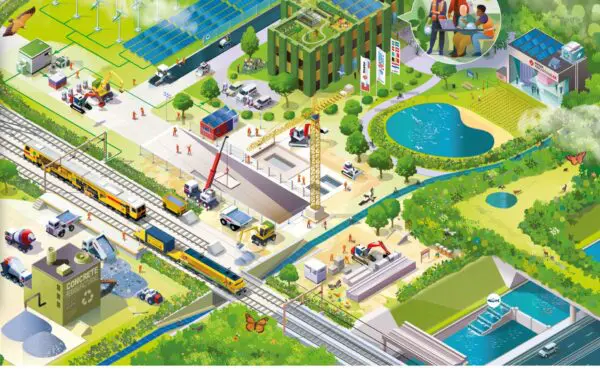
By 2050, the infrastructure sector aims to be fully climate‑neutral. This future includes:
The transition is already underway, driven by innovation, collaboration and long‑term thinking.