





To main content To navigation

Groningen Main Station

View all Projects

Expertise

Stations

Client

ProRail

Location

Groningen

Status

Bezig

Strukton company

Strukton Infra Specials

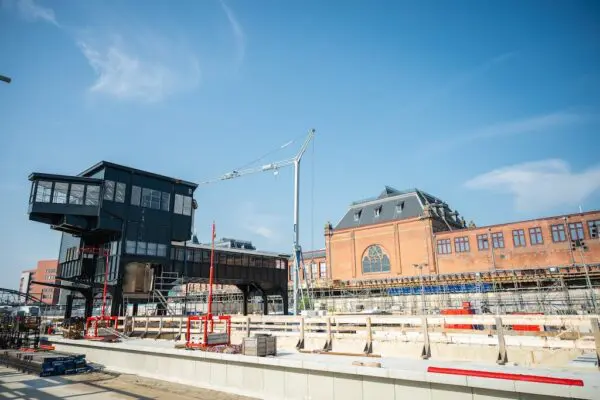
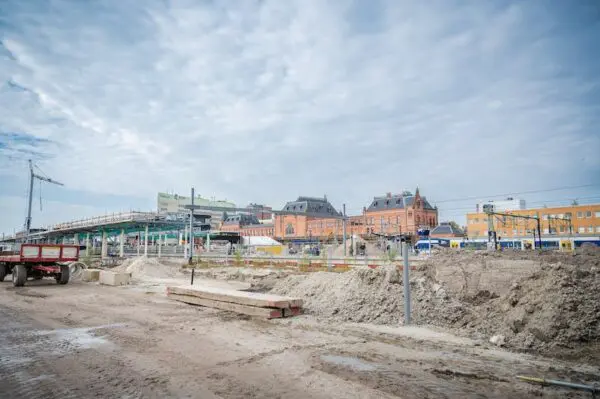
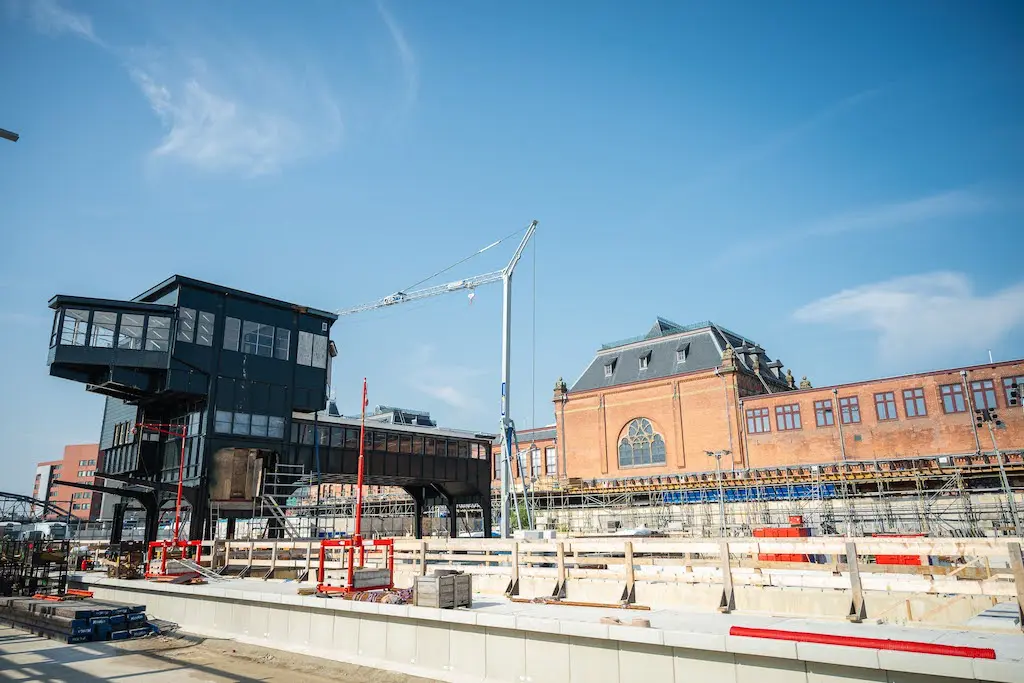
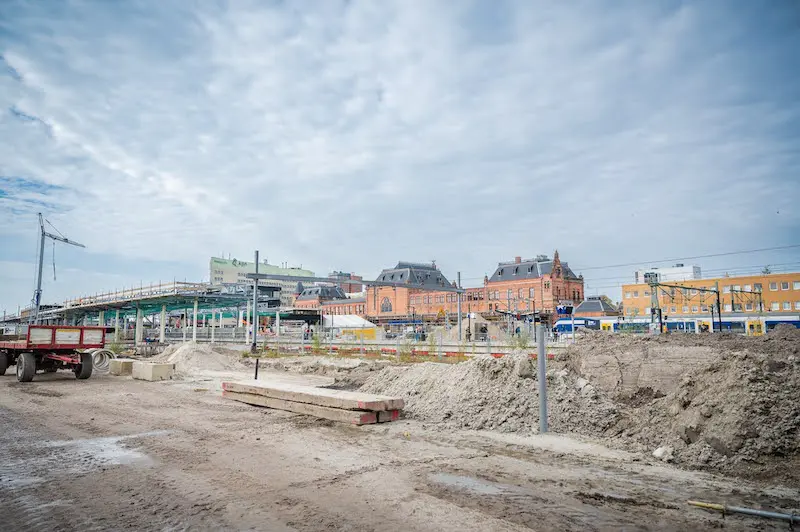
Groningen is one of the busiest stations in the Netherlands, with around 33,000 passengers travelling to and from the station every day – a number expected to grow to 44,000 by 2030. To prepare for this future, the station and its surroundings are undergoing a major transformation.

Strukton is delivering this complex project on behalf of railway manager ProRail, working closely with the Province and Municipality of Groningen. Multiple Strukton companies are collaborating with external partners to realise an integrated solution that combines civil engineering, rail infrastructure, and environmental expertise.

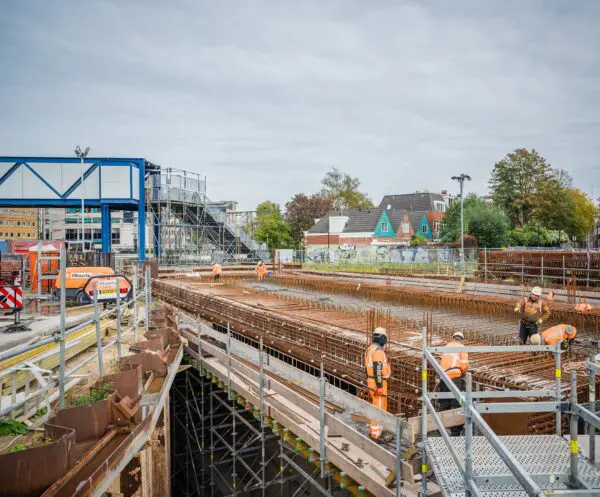
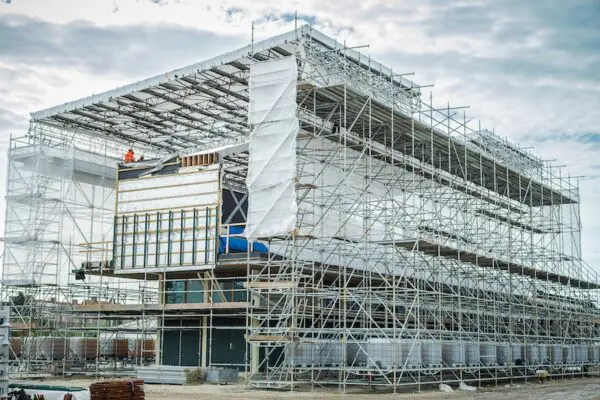
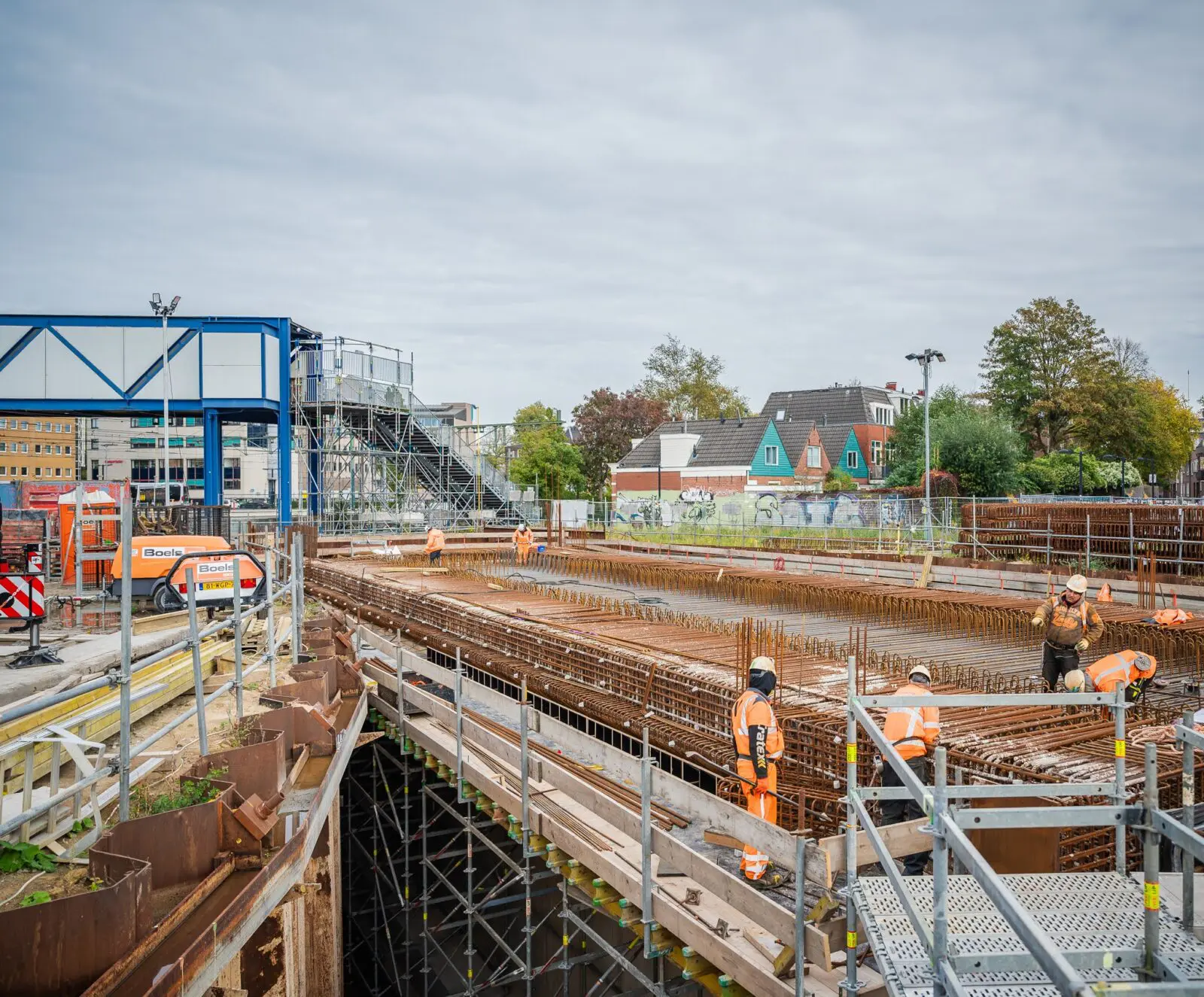
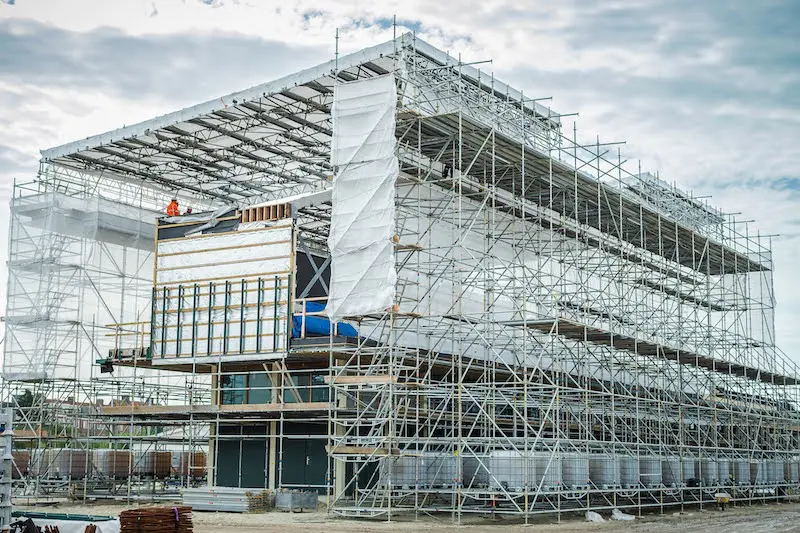
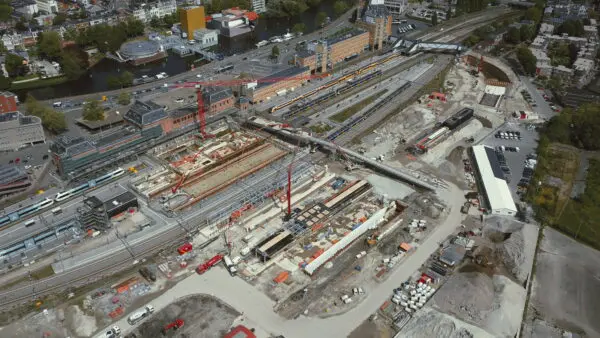
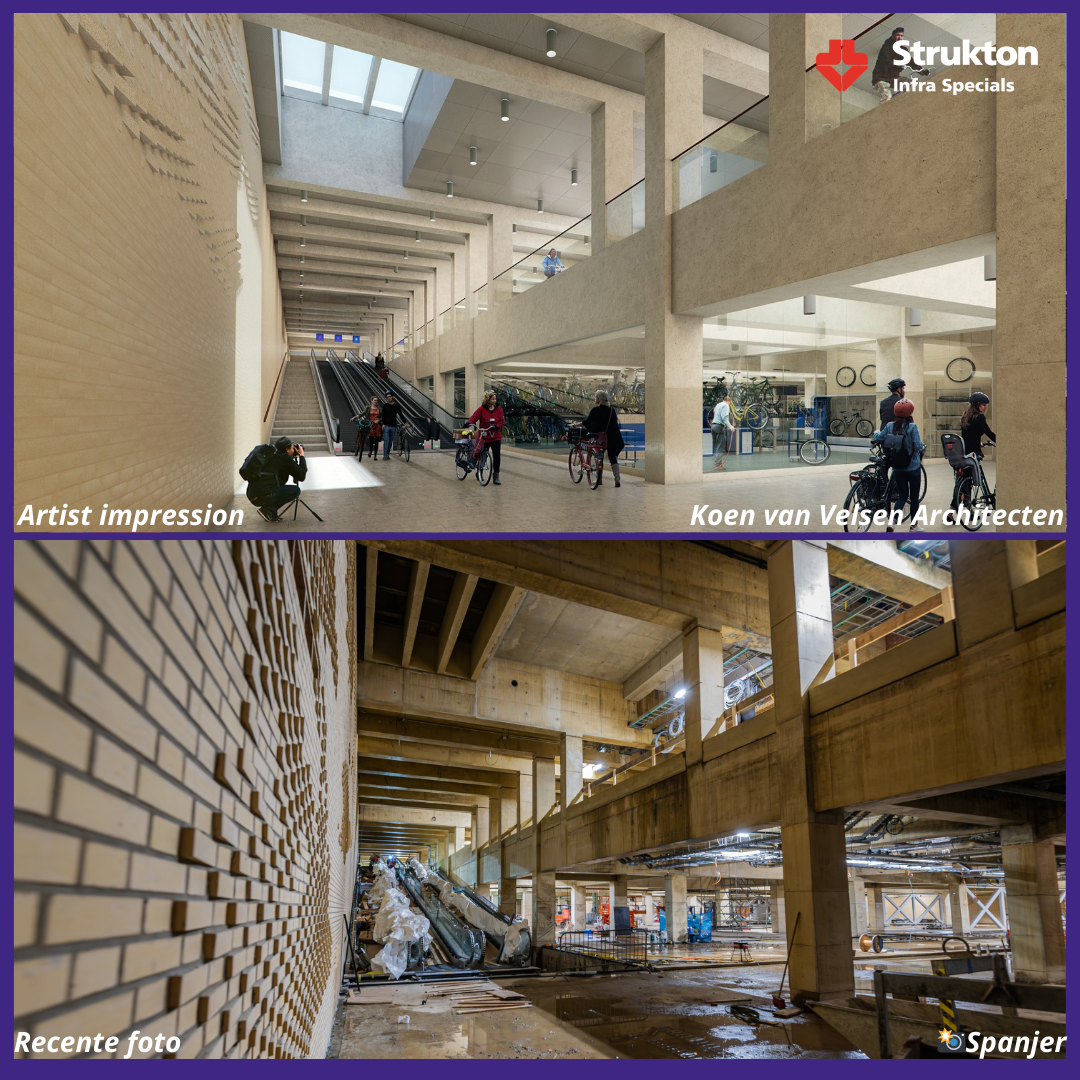
The works include creating a new underground passenger concourse, a large bicycle storage facility, extended and additional platforms, a new bus station and facilities, as well as tunnels for buses and cyclists. These elements are designed to improve accessibility, capacity, and connectivity for all travellers.
Working With the Shop Open

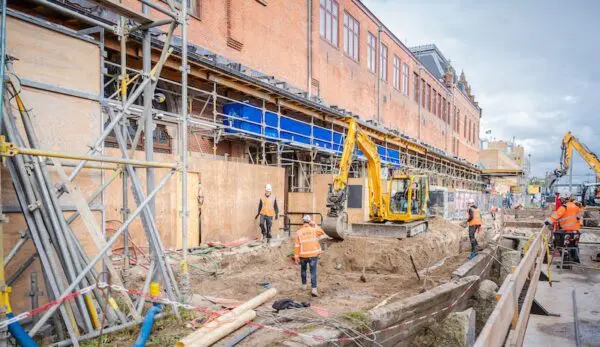
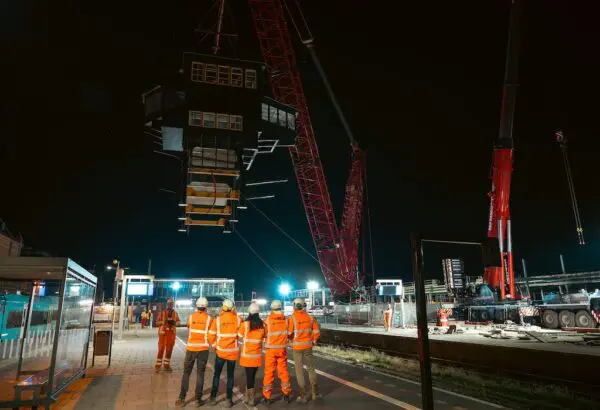
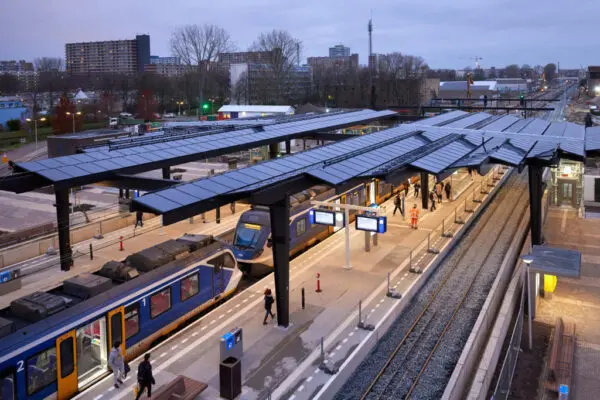
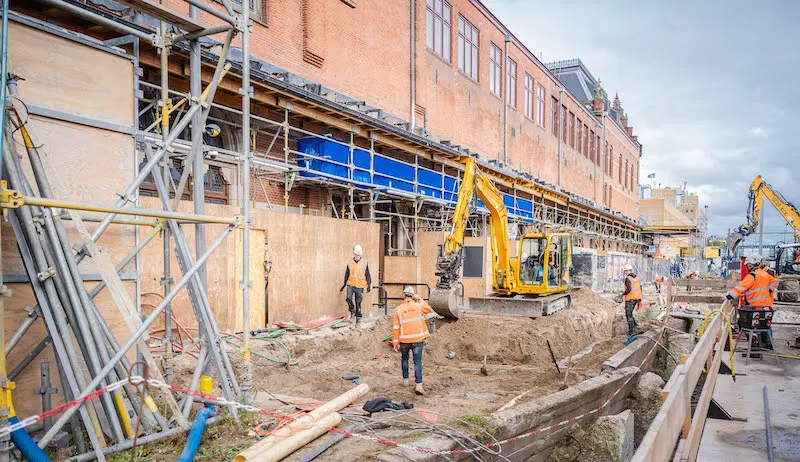
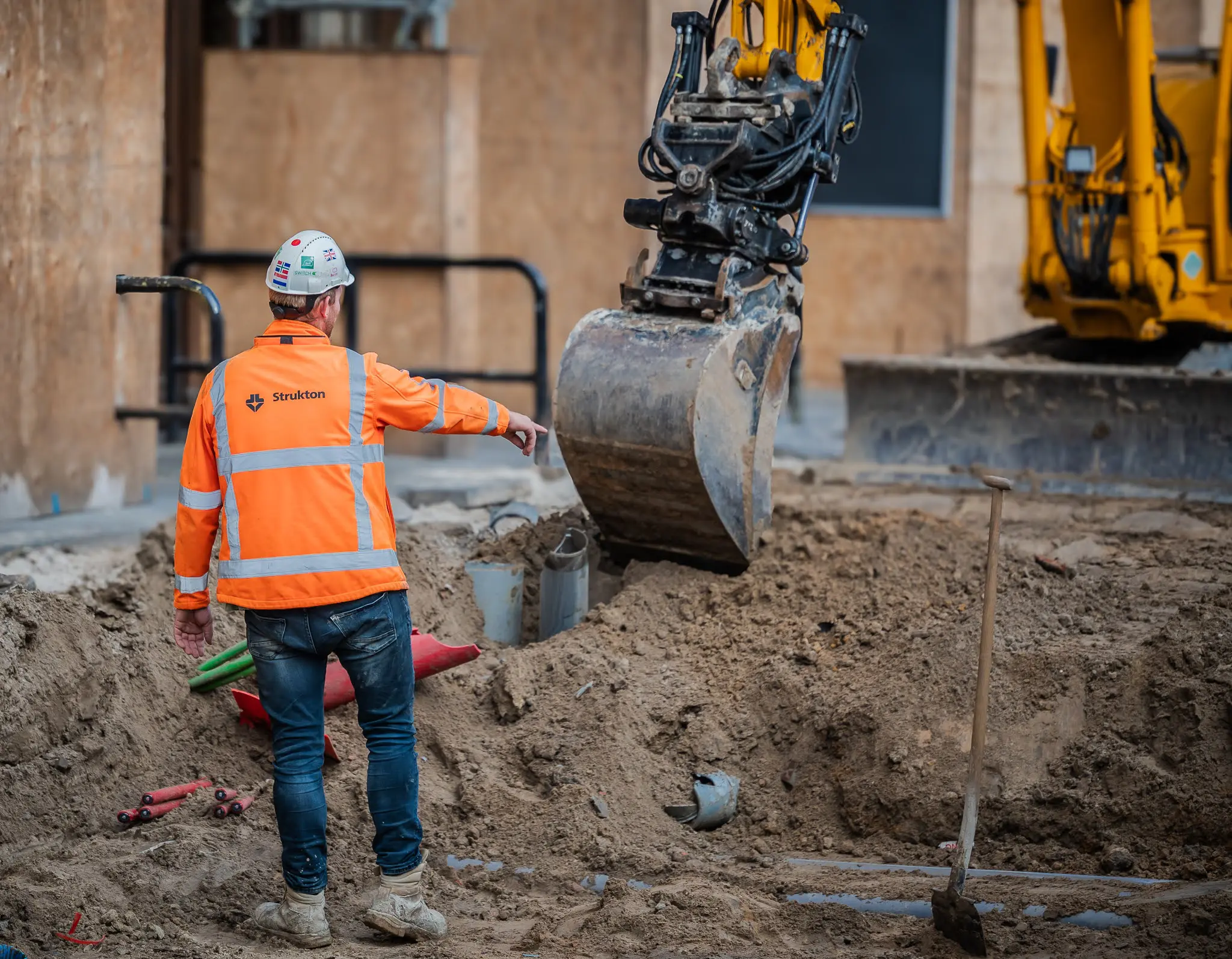
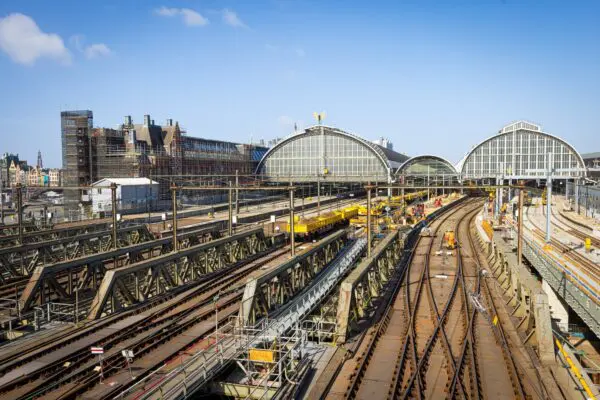
One of the defining features of the project is the construction of a massive excavation for the concourse and bicycle storage, built beneath the existing station while trains continue to run. This “working with the shop open” approach requires meticulous planning and coordination to keep the station operational and safe for passengers throughout the works.
The Goal

When complete, Groningen Main Station will offer:

  • A modern underground passage connecting the station to a new city park
  • Increased rail capacity, enabling more destinations across the region and northern Netherlands
  • Improved facilities for buses, cyclists, and pedestrians
Relevant articles

Previous slide
Next slide

Frequently asked questions

Find answers to frequently asked questions here.

How is sustainability incorporated into station upgrades and rail‑infrastructure works?

Sustainable station construction uses circular and recycled materials, optimised soil management and energy‑efficient construction methods. Rail organisations like Strukton also invest in low‑emission equipment, recycled contact wires, and sustainable construction logistics to reduce their carbon footprint. Many civil and rail contractors apply environmental management procedures to lower noise, emissions and waste during work in dense urban stations.

How do modern digital tools such as BIM and reality‑capture models improve station construction?

Advanced tools like BIM, 3D reality models, digital asset mapping and rail‑data systems support accurate planning, clash detection and risk reduction. These technologies allow teams to simulate construction stages, coordinate disciplines, and maintain rail operations more effectively. European rail organisations increasingly use digital models to ensure safe, sustainable and predictable delivery of infrastructure upgrades.

Why is an integrated, multi‑disciplinary approach essential for modern station projects?

Station upgrades typically combine civil engineering, rail systems, structural works, cable and pipeline installation, telecom systems, travel‑information systems, platform construction, underpasses and bicycle parking. Integrating these disciplines under one coordinated framework reduces delays, prevents spatial conflicts and improves safety. Rail infrastructure specialists with Short Line, Rail‑Civil and engineering units routinely apply this integrated method in complex environments.

How can construction work continue safely while a station remains operational?

Working in a live station environment requires holistic and precisely synchronised planning. Multidisciplinary teams coordinate construction windows, material deliveries, rail possessions and stakeholder activities to minimise disruption to passengers and train services. This approach is used widely in complex rail environments across Europe, where rail contractors must maintain availability while executing renewal and upgrade works

What makes station construction and renovation uniquely complex?

Stations function as multimodal mobility hubs, where pedestrians, cyclists, buses, trams, taxis, trains and commercial activities converge. This density of movements requires careful planning, integrated construction phasing and coordination across many disciplines to maintain safety and accessibility. Station projects often involve platform reconstruction, track works, switches, overhead lines, underground structures, commercial areas and public‑space upgrades all at once