





The contract comprises 700 km of track.
The contract comprises 700 km of track.
The contract comprises 700 km of track.
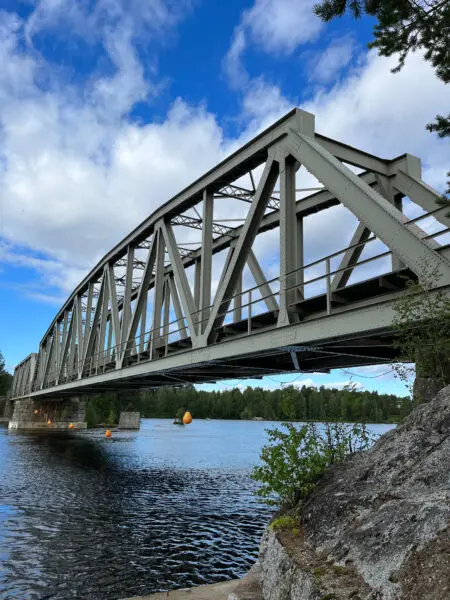
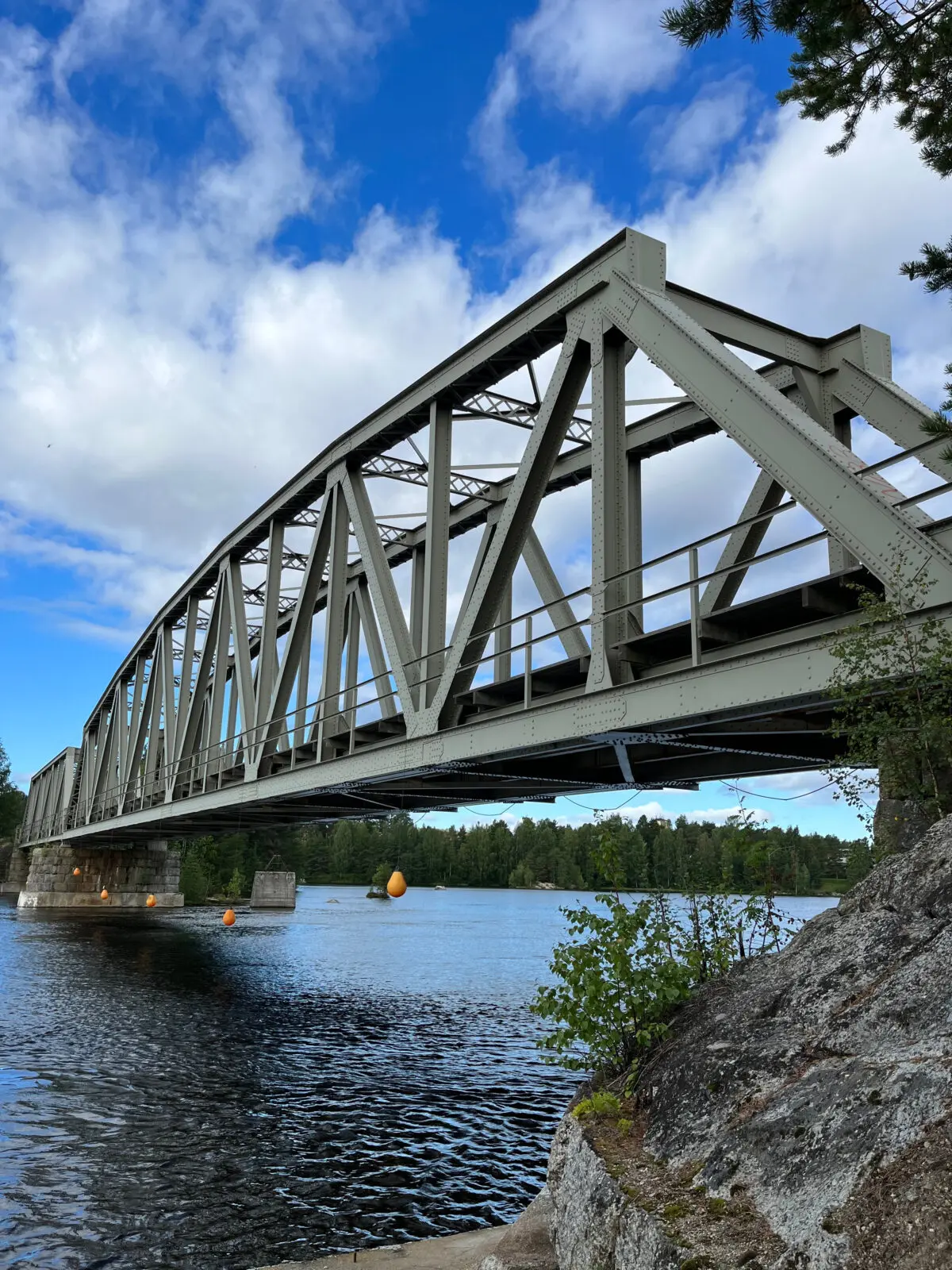
On behalf of the Swedish Transport Administration (Trafikverket), Strukton is responsible for the preventive and corrective maintenance of the extensive rail network stretching between Västerbotten and Norrbotten. The assignment covers the railway line from Holmsund in the south to Boden Södra in the north, and from Skellefteå in the east to Storuman in the west. In total, the railway system comprises approximately 700 kilometres of track.
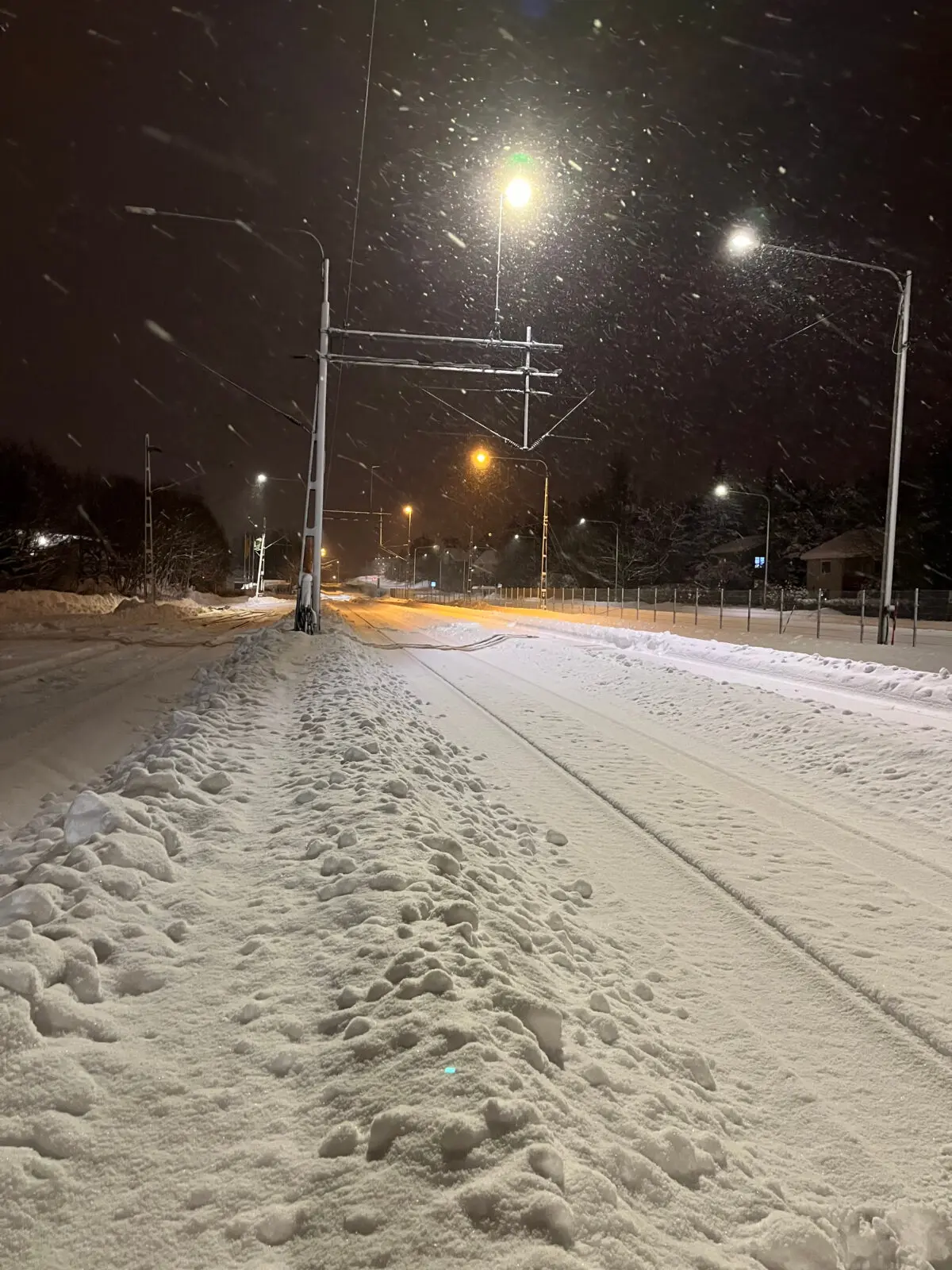
This long‑term contract includes year‑round maintenance activities, ensuring high availability, safety and reliability across an important part of Sweden’s transport infrastructure. The network’s location in the northern regions means operations continue under demanding seasonal conditions, with maintenance carried out throughout both winter and summer.
The contract comprises 700 km of track.

Maintenance continues throughout winter and summer



Safety is maintained through strict operational procedures in combination with modelling and prioritisation based on asset criticality. Intelligent asset management and real‑time monitoring technologies help identify risks at an early stage and ensure trains can continue to operate safely. These systems support long‑term investment planning and maintain the reliability of the rail network.
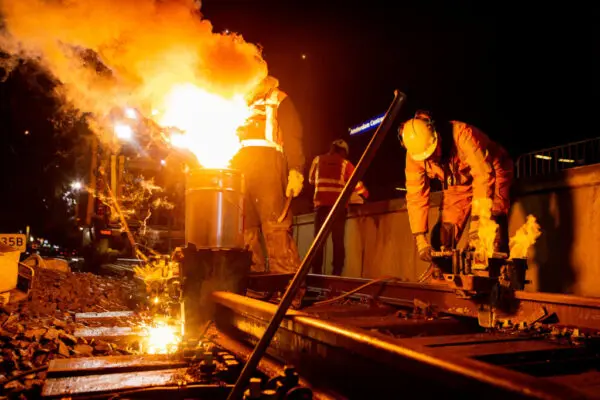
Because European rail networks are heavily used, maintenance is often carried out during night‑time or weekend possessions when fewer trains are running. High‑traffic lines require carefully planned maintenance windows to minimise service disruptions while ensuring infrastructure remains safe and in good condition.
Maintenance priority is determined using asset condition models and long‑term asset management strategies. This enables companies and railway managers to forecast the future state of critical rail components, helping planners intervene at the optimal moment. Intelligent asset‑management systems make it possible to compare scenarios, estimate remaining service life and plan renewals efficiently based on operational needs and strategic investment priorities.
Modern railway maintenance combines condition monitoring, inspection data, advanced algorithms and expert domain knowledge to support data‑driven decision‑making. Digital tools and predictive analytics help maintenance teams detect issues earlier, schedule interventions more effectively and continuously improve the maintenance cycle. These approaches are increasingly adopted across Europe to boost reliability and reduce unplanned downtime
The purpose of railway maintenance is to ensure the safety of passengers and train operations, prevent failures and delays, extend the lifespan of rail assets and avoid costly repairs by resolving issues early. Maintenance is vital for keeping high‑usage rail networks reliable and efficient, reducing disruptions and supporting sustainable rail operations.
Railway maintenance refers to all activities required to keep rail infrastructure safe, reliable and in optimal condition. This includes tracks, switches, overhead lines, sleepers, ballast, power supply, cables, ducts and signalling systems. Routine inspections and major renewal activities such as rail grinding, tamping and ballast maintenance are essential to ensuring long‑term track performance. Asset management plays a crucial role in rail maintenance.