






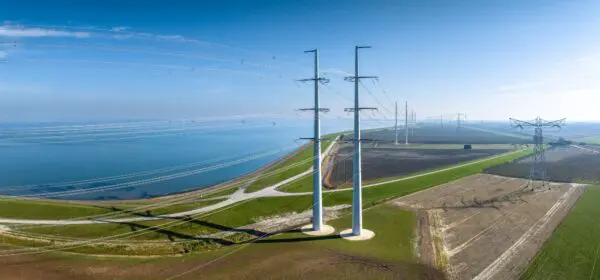
Contract for Gerstaberg Switching Station
News
13 August 2025

Read the article
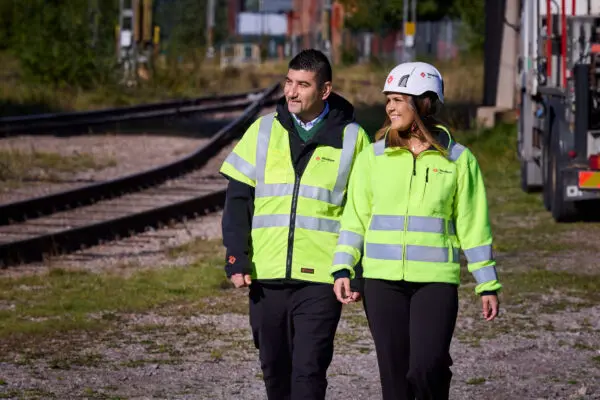
Strukton is strengthening Sweden’s rail power infrastructure through the expansion of the converter station in Alingsås. Commissioned by Trafikverket, the project addresses the growing electricity demand on the Western Main Line, where increasing rail traffic requires a more robust and higher‑capacity power supply.
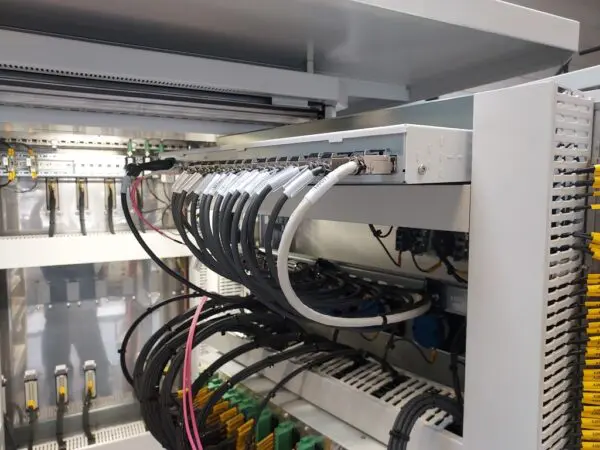
Rail traffic along the Western Main Line continues to grow, and the existing converter station in Alingsås requires increased output to ensure stable power feeding. To support this, Strukton is planning, designing, constructing and installing two new, larger converters alongside the existing facility. These are housed in a newly built structure next to the current converter station.
Inside the new building, Strukton will install:
The new converters are connected to the existing 15 kV switchgear and are supplied by Hitachi in Switzerland. The entire installation will be tested and evaluated jointly with Trafikverket.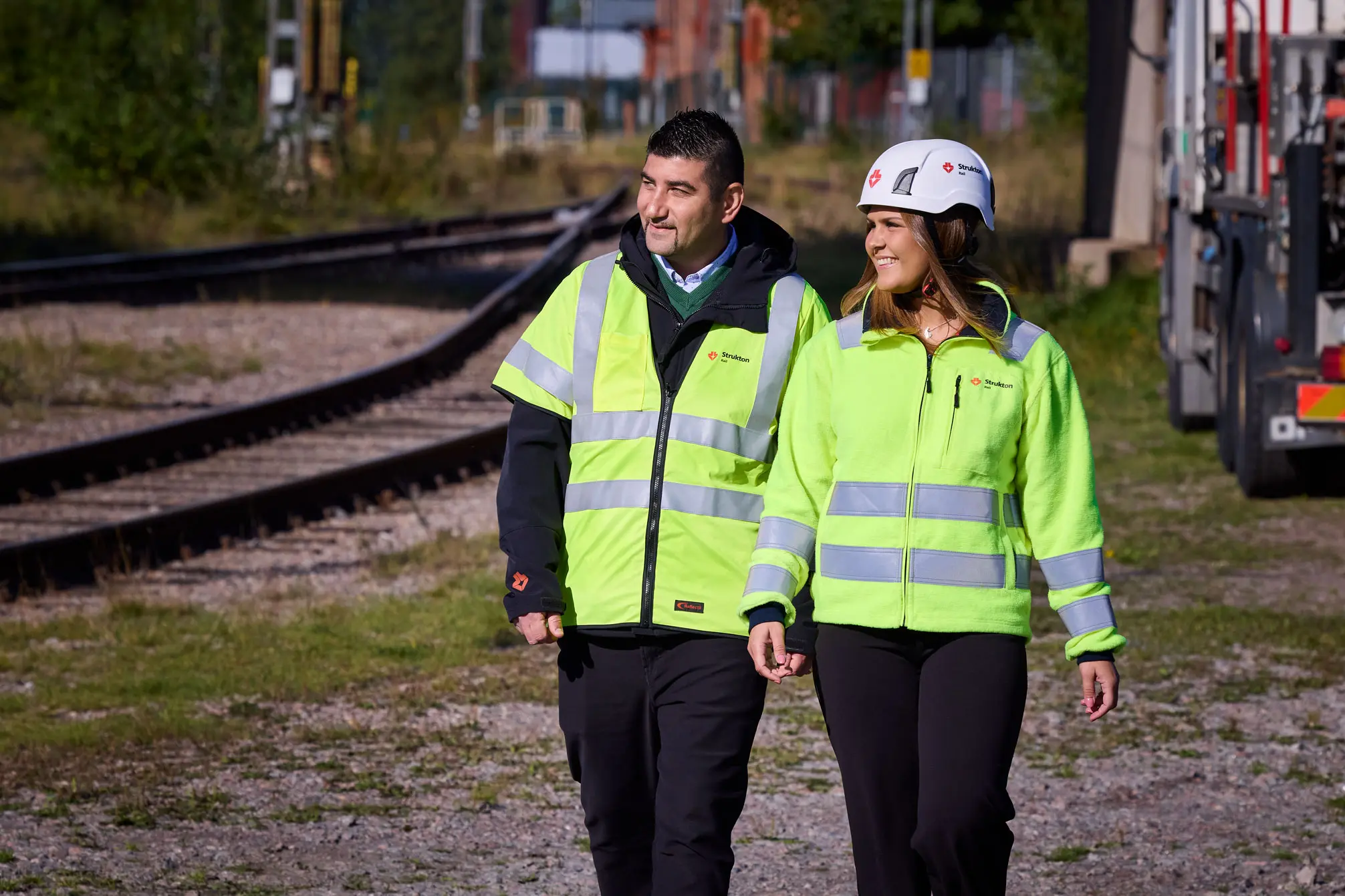
The assignment spans from 2022 to 2027, covering:
By expanding the converter station in Alingsås and introducing advanced converter technology, Strukton is strengthening the resilience of one of Sweden’s busiest railway corridors. The project ensures that both current and future rail operations on the Western Main Line can rely on a stable, efficient and modernised power supply — supporting national mobility, capacity growth and long‑term sustainability.
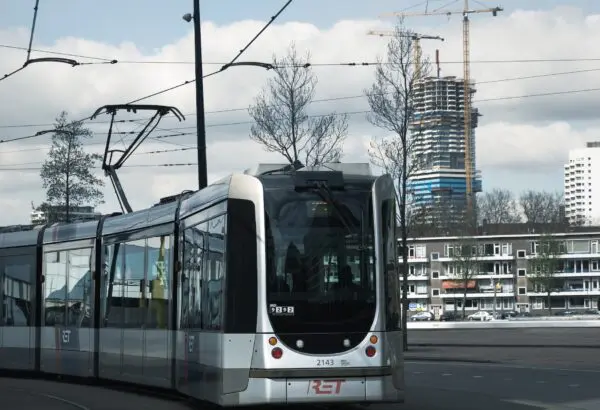
Converter stations and feeder stations ensure that rail networks receive the correct voltage and frequency, even as traffic intensifies or train weights increase. Mobile and permanent installations provide flexibility, strengthen weak network sections and support international rail corridors with varying technical requirements.
Reliable rail transport depends on dedicated AC and DC power‑supply systems, including converter stations, feeder stations, traction‑power substations and mobile energy‑supply units. These systems enable stable and resilient power delivery for heavy rail, metro, tram and light‑rail networks across Europe.
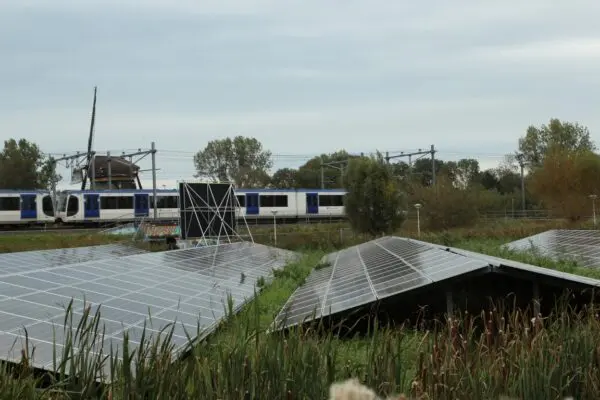
Smart grid solutions improve network performance by capturing, storing and reusing energy more intelligently. Technologies such as mobile or modular substations, regenerative systems and energy‑storage units help reduce peak loads, increase efficiency and make better use of the existing grid — reducing both costs and environmental impact. An example is Strukton’s Energy Bank (OV energiebank).
Modern energy networks rely on extensive civil engineering works, including the construction of high‑voltage substations, transmission‑line foundations, access roads, cable routes and site preparation for electrical stations. These works form the physical backbone that allows grid operators to expand capacity safely and efficiently.
Expanding the electricity grid is crucial to support increasing demand from renewable energy, electric mobility, gas‑free homes and growing data‑center capacity. A larger and stronger grid ensures reliability, prevents congestion and enables the seamless integration of solar, wind and other sustainable energy sources.