








Mats Bylund Appointed New Maintenance Manager at Strukton Sweden
News
06 February 2026

Read the article
Expertises
Rail infrastructure managers are increasingly being held accountable for network availability, and rail asset management must meet higher and higher standards.
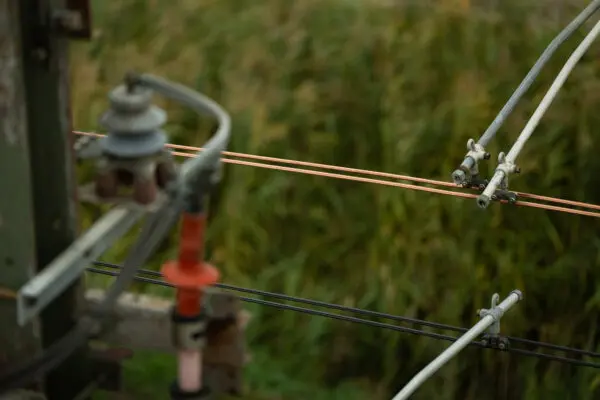
As a result, infrastructure managers are continuously searching for innovative, technological ways to improve the maintenance and management of their networks. For several systems — including overhead contact lines — this is a considerable challenge. Inspection and measurement of the position, thickness and condition of overhead wiring are still often carried out manually. And that is difficult within the limited maintenance windows available.
Strukton has therefore developed the Strukton Wire Scan — a groundbreaking technology for overhead line inspection that fully automates the inspection, measurement and documentation of overhead line condition.
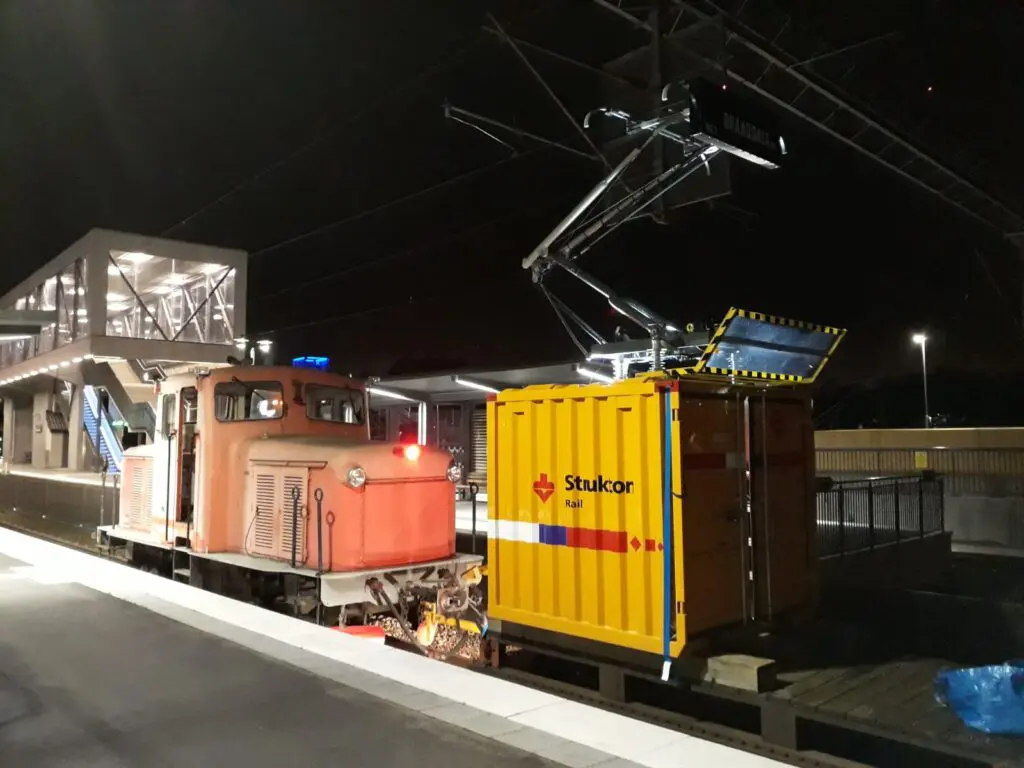
The Strukton Wire Scan uses advanced automated scanning technology to measure the position and condition of overhead contact wires. This means inspections no longer have to be performed as frequently — or as physically — by hand.
The system produces data on wire thickness, height, lateral deviation and dynamic behaviour. The Strukton Wire Scan can be used on all electrified rail networks using overhead lines, including heavy rail, tram and light rail.
After analysis of the Wire Scan data, infrastructure managers have a solid foundation on which to base well‑informed maintenance decisions.
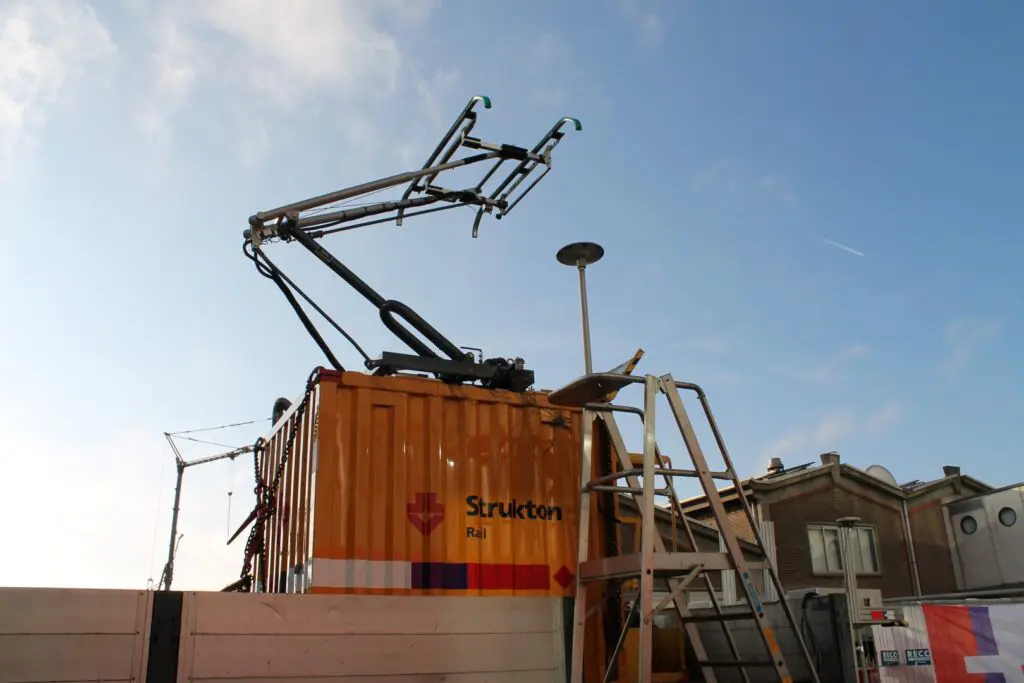
The Strukton Wire Scan provides:


Asset management applies to rail infrastructure, roads, tunnels, waterways and all other civil structures where safety, availability and sustainability are essential. Whether managing complex rail networks or urban mobility systems, modern asset management frameworks—often supported by AI and predictive analytics—strengthen performance and ensure future‑proof infrastructure across Europe.
Data‑driven asset management provides an understanding of the condition and remaining lifespan of existing structures and assets. This insight enables infrastructure owners to plan renovations and renewals more efficiently, allocate investments wisely and reduce environmental impact by avoiding premature replacement. Advanced asset analytics help organisations make smart decisions and prioritise upgrades where they deliver the most value.
Predictive maintenance helps prevent unexpected failures, avoids costly emergency repairs and keeps infrastructure available at the lowest operational impact. By identifying deviations at an early stage, repairs can be scheduled during planned maintenance windows—often at night—reducing disruptions and improving asset performance. Studies show predictive models significantly reduce unplanned outages and improve safety across transport networks.
Data is the foundation of smart maintenance. By collecting condition data from inspections, sensors and monitoring systems, infrastructure managers gain accurate insight into the health of their assets. When combined with analytics, software and AI, this data enables predictive maintenance frameworks that reduce downtime, improve reliability and support informed, long‑term decision‑making.
Sustainable asset management balances performance, cost efficiency and environmental impact across the entire lifecycle of infrastructure. It focuses on extending asset life, minimising failures and reducing CO₂ emissions through smarter maintenance planning and responsible material use. Modern approaches increasingly integrate predictive maintenance and sustainability goals to improve long‑term resilience. The POSS monitoring system and Eurailscout’s inspection trains are examples that boost sustainable asset management.
Safety is maintained through strict operational procedures in combination with modelling and prioritisation based on asset criticality. Intelligent asset management and real‑time monitoring technologies help identify risks at an early stage and ensure trains can continue to operate safely. These systems support long‑term investment planning and maintain the reliability of the rail network.
Because European rail networks are heavily used, maintenance is often carried out during night‑time or weekend possessions when fewer trains are running. High‑traffic lines require carefully planned maintenance windows to minimise service disruptions while ensuring infrastructure remains safe and in good condition.