



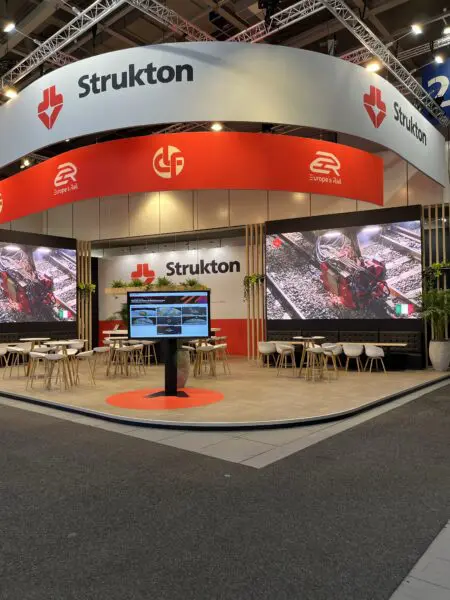
Looking Back on a Successful InnoTrans 2026
News
25 September 2026
Read the article
Expertises
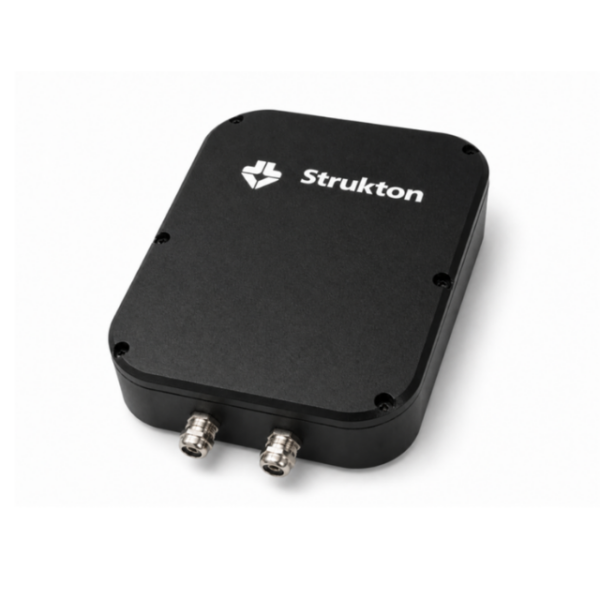
Strukton’s Remote Monitoring System continuously measures traction line voltage and current. It provides the data needed to understand network loading, detect weak points and areas with low voltage, identify abnormal conditions and support maintenance of railway, tram and metro power-supply systems.
The system can be installed alongside the traction line or inside a traction substation. A substation installation can monitor multiple outgoing feeders from one central system, creating a clear overview of voltage and current throughout the supplied section. This helps identify voltage drops and network sections where the traction power supply may require improvement.
For rail and energy infrastructure:
Installed at the traction line where measurement is required. The unit measures line voltage and line current and can be powered from the line itself. Isolation between the high-voltage measurement side and the monitoring interface supports a safe, robust installation.
Installed inside an existing traction substation. The modular configuration can acquire voltage and current measurements from multiple outgoing feeders and make the information remotely available from one central monitoring point.
Open the leaflet for further information and technical details.
Open the documentOpens in new tab:Sales Manager
Strukton Systems
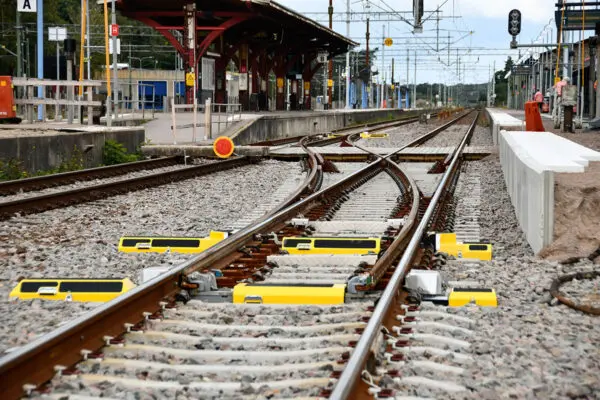


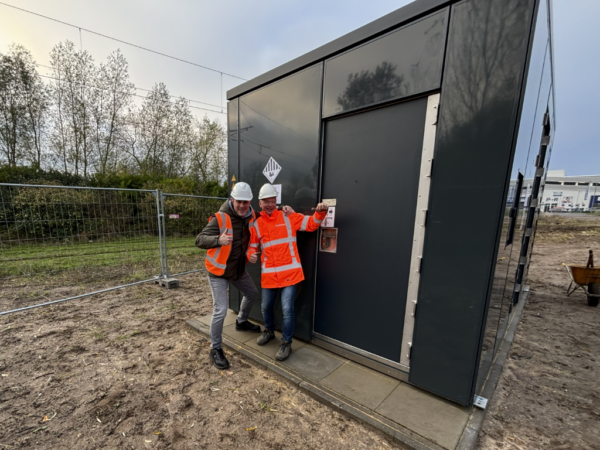

Converter stations and feeder stations ensure that rail networks receive the correct voltage and frequency, even as traffic intensifies or train weights increase. Mobile and permanent installations provide flexibility, strengthen weak network sections and support international rail corridors with varying technical requirements.
Reliable rail transport depends on dedicated AC and DC power‑supply systems, including converter stations, feeder stations, traction‑power substations and mobile energy‑supply units. These systems enable stable and resilient power delivery for heavy rail, metro, tram and light‑rail networks across Europe.
Smart grid solutions improve network performance by capturing, storing and reusing energy more intelligently. Technologies such as mobile or modular substations, regenerative systems and energy‑storage units help reduce peak loads, increase efficiency and make better use of the existing grid — reducing both costs and environmental impact. An example is Strukton’s Energy Bank (OV energiebank).
Modern energy networks rely on extensive civil engineering works, including the construction of high‑voltage substations, transmission‑line foundations, access roads, cable routes and site preparation for electrical stations. These works form the physical backbone that allows grid operators to expand capacity safely and efficiently.
Expanding the electricity grid is crucial to support increasing demand from renewable energy, electric mobility, gas‑free homes and growing data‑center capacity. A larger and stronger grid ensures reliability, prevents congestion and enables the seamless integration of solar, wind and other sustainable energy sources.
Asset management applies to rail infrastructure, roads, tunnels, waterways and all other civil structures where safety, availability and sustainability are essential. Whether managing complex rail networks or urban mobility systems, modern asset management frameworks—often supported by AI and predictive analytics—strengthen performance and ensure future‑proof infrastructure across Europe.
Data‑driven asset management provides an understanding of the condition and remaining lifespan of existing structures and assets. This insight enables infrastructure owners to plan renovations and renewals more efficiently, allocate investments wisely and reduce environmental impact by avoiding premature replacement. Advanced asset analytics help organisations make smart decisions and prioritise upgrades where they deliver the most value.