



Rail Maintenance Contract in Eslöv
News
07 March 2025

Read the article
Expertises
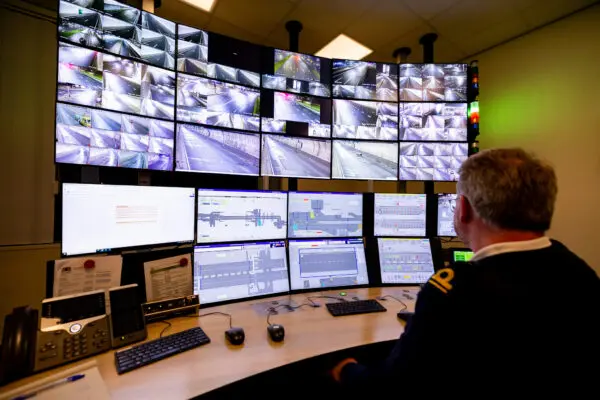
By analysing hard facts, Strukton determines the optimal maintenance strategy for assets. This is done with DAMS, Strukton’s Data‑Driven Asset Management System. As a result, assets such as tunnels can continue to perform at their maximum, while disruption, costs, risks and CO₂ emissions are kept to a minimum. The Hubertus Tunnel in The Hague is where DAMS is being developed and applied in practice.

“Tunnels are well suited to data‑driven asset management due to the large number of technical installations.” Rogier Haak, Manager Asset Management at Strukton
Many tunnels contain thousands of installation components, fitted with sensors that continuously generate data and provide insight into their performance. By collecting, filtering and analysing this data, we gain an increasingly accurate understanding of the optimal moment to repair or replace installations. This prevents failures. Based on statistical information, we may decide to replace components earlier or take a management measure to correct a deviation and keep the installation in service for longer. These become predictable actions that can be planned during scheduled maintenance.
Through smart organisation of maintenance and asset management, we avoid high‑priority failures that result in unplanned tunnel closures. No extra disruption for road users, no unnecessary costs, and no additional manpower or equipment required. With data‑driven asset management, we find the right balance between performance, cost and risk — all with the goal of maximising tunnel availability, safety and reliability.
Across various contracts, Strukton has gained extensive experience in data‑driven asset management and predictive maintenance. During multi‑year maintenance periods, asset performance has been continuously improved using data. This aligns with the needs of clients who must keep their assets — such as tunnels, movable bridges, locks and roads — in good condition over long periods.
To build on this knowledge and apply it to future contracts, Strukton is standardising and harmonising this data‑driven asset management approach across processes, applications and content — and that is where DAMS comes in.
“With DAMS, we create a link between the software that reads sensor data, the asset’s control and operating system, and Strukton’s systems — our monitoring system and our maintenance management system. All data is brought together, automatically processed and then analysed by experts. We present results and trends clearly through dashboards.” Jos van Ginkel, DAMS Project Manager.
Targeted data collection is essential to prevent terabytes of unnecessary data entering the system and slowing down automated processing. A tunnel may contain around 4,000 installation components, generating large volumes of data about energy consumption, temperature and other performance indicators. For example, it’s not necessary to read the temperature of fans every minute — only to register alerts when critical thresholds are exceeded.
Data optimisation is therefore an important part of DAMS development, carried out in collaboration with external partners. Analysis and interpretation of the data are performed in‑house by Strukton to maintain direct control over maintenance performance.

DAMS is being implemented and refined during the renovation and 15‑year maintenance contract for the Hubertus Tunnel in The Hague. “As soon as we complete the first renovated section, we will start reading data from the upgraded installations,” Jos continues. “Once renovation is fully complete, we will begin the prescribed maintenance regime and then optimise maintenance based on the collected data.”
Specialists within the Strukton’s maintenance team assess any deviations and identify trends. These insights are translated into maintenance plans and work instructions, enabling technicians to carry out planned and preventive maintenance. As knowledge grows, maintenance becomes more efficient and sustainable, and tunnel failures are significantly reduced. For example, at the Koning Willem‑Alexander Tunnel in Maastricht, Strukton reduced the number of failures registered by Rijkswaterstaat by 75% between 2016 and 2025.
“By designing DAMS as a standardised system, we can connect existing and future assets to the same central monitoring environment. This places requirements on the architecture of our data‑driven asset management system,” Rogier emphasises. “The great advantage is that we can use trends established in previous contracts for new contracts — especially when we work with familiar suppliers and known installations. This means we learn and optimise across projects without reinventing the wheel each time. As more data becomes available, the value and reliability of the analysed data continue to increase. That’s why our cross‑project approach is so powerful.”
Asset management and maintenance is one of the core specialisms within Strukton, brought together under Strukton Asset Management. It is a growing business unit with a strong focus on data and information management.
“That is not only valuable for long‑term maintenance contracts but also for the major renewal challenges facing the Netherlands,” emphasises Rogier Haak. The renewal task is large and urgent, while budgets are limited, resources are scarce, and skilled personnel are hard to find. By collecting data, we understand how an asset performs relative to its life‑cycle phase. We can then determine the optimal strategy to extend its lifespan with minimal resources, disruption and cost. Our focus is primarily on movable bridges, tunnels and hydraulic assets — always with the goal of keeping them as reliable, safe and available as possible.
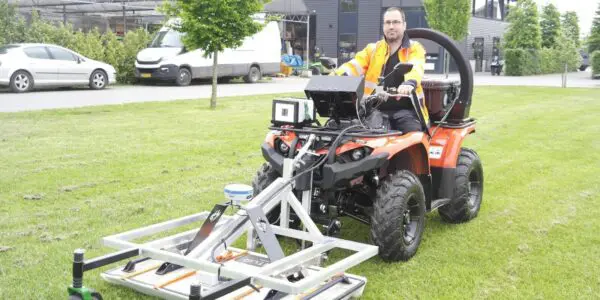
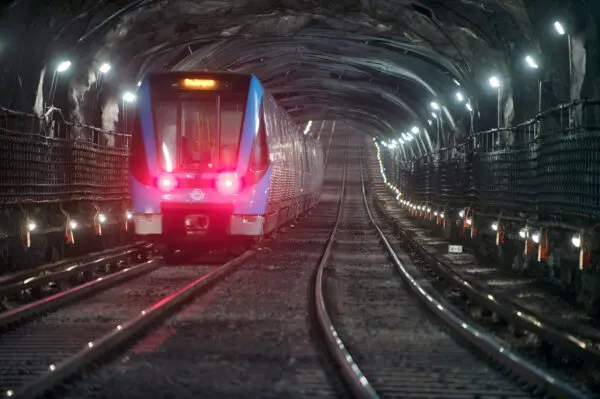
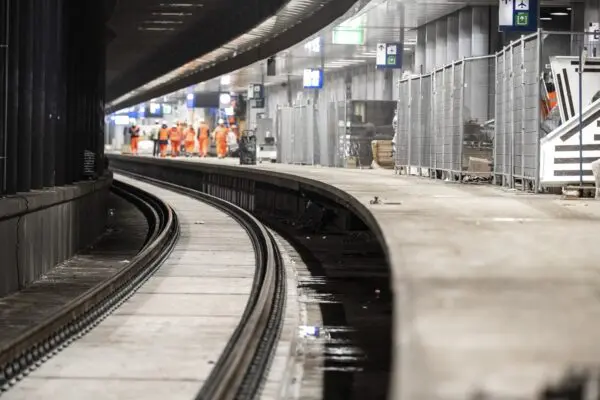
Innovation comes from combining specialised tunnel engineering, advanced excavation methods, digital design tools, smart asset‑management systems and international knowledge exchange. For example, Italian expertise within the Strukton group includes high‑precision construction and renewal of rail tunnels and underground metro lines, contributing decades of experience and advanced methods to tunnel projects across Europe.
Underpasses require robust structural design to manage soil loads, groundwater pressure and proximity to rail or road traffic. Typical works include cut‑and‑cover construction, pre‑fabricated elements, foundation works, waterproofing, drainage and integration with surface infrastructure. Engineering teams also coordinate utilities, telecoms and mobility interfaces to ensure safe and efficient movement above and below ground.
In both rail and road environments, work often takes place under live conditions. This requires detailed staging, temporary diversions, night or weekend possessions, and precise coordination of civil works, MEP systems and tunnel‑technical installations. Rail organisations in the Netherlands, Scandinavia and Italy routinely work in active networks, applying strict safety regimes and disciplined planning to minimise disruption.
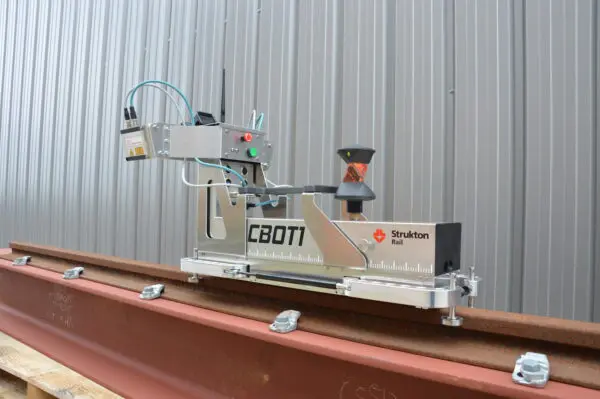
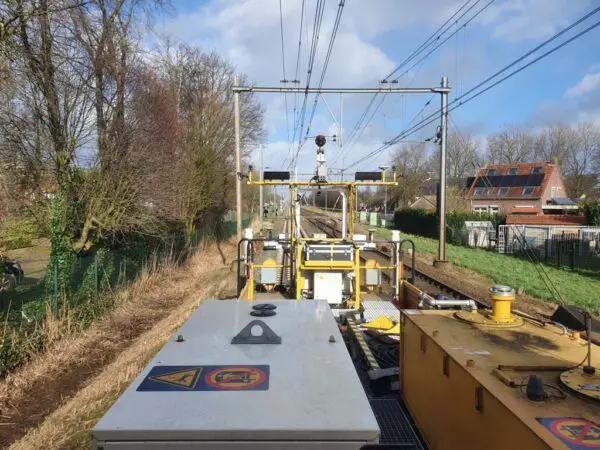
Railway tunnels must meet additional requirements such as accommodating overhead lines, track systems, power supply, signalling, emergency walkways, drainage and smoke‑control measures. They also require precise track geometry and maintenance methods suited for high‑speed or heavy‑rail operation. Leading European firms specialise in design, construction and renewal of railway tunnels, ensuring safe integration with the broader rail network.
Tunnel maintenance includes routine inspections, cleaning, functional checks of technical systems, and structural assessments. Rail‑sector standards classify tunnels by geometry, lining material and condition, and require periodic and extraordinary inspections to assess structural integrity and safety risks. Asset‑management‑driven maintenance ensures tunnels remain safe, available and fit for increasing traffic volumes over decades.
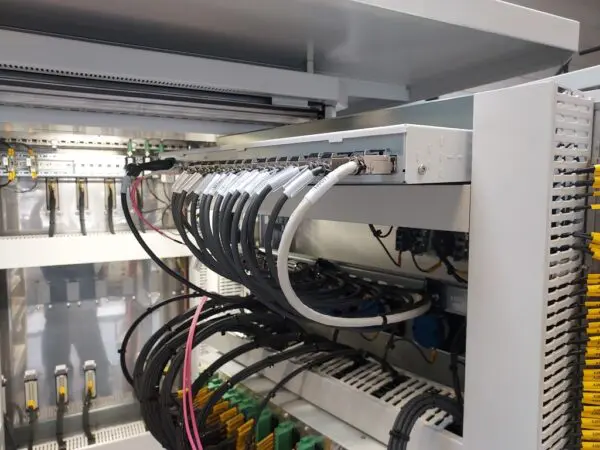
Tunnels depend on a broad suite of tunnel technical installations, including fire‑safety systems, ventilation, lighting, signalling, traffic control, emergency communications and structural monitoring. These systems must be designed, installed and maintained according to strict safety and performance standards. Regular inspections and data‑driven maintenance are essential for keeping these installations reliable throughout the tunnel’s lifecycle.
Tunnel and underpass construction brings together many disciplines: structural engineering, geotechnics, MEP systems, safety installations, rail systems, cabling, telecom, power supply and monitoring. Successful delivery requires end‑to‑end coordination, often managed by organisations that combine in‑house specialists with trusted long‑term partners across the value chain. This integrated approach ensures seamless execution in complex environments and supports long‑term operability.