


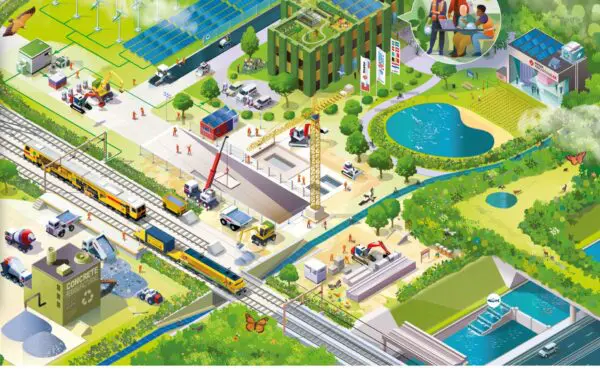
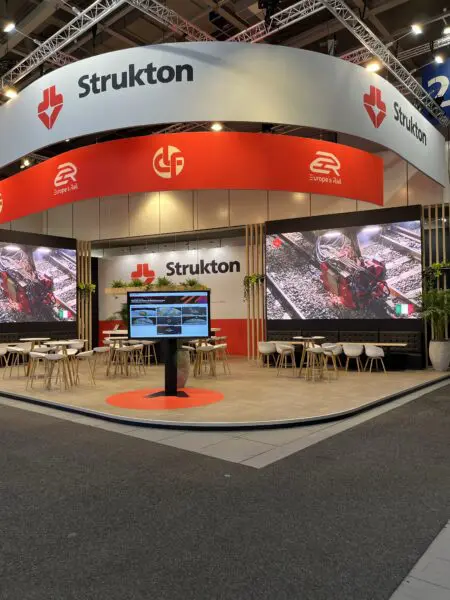
Looking Back on a Successful InnoTrans 2026
News
25 September 2026
Read the article
Expertises
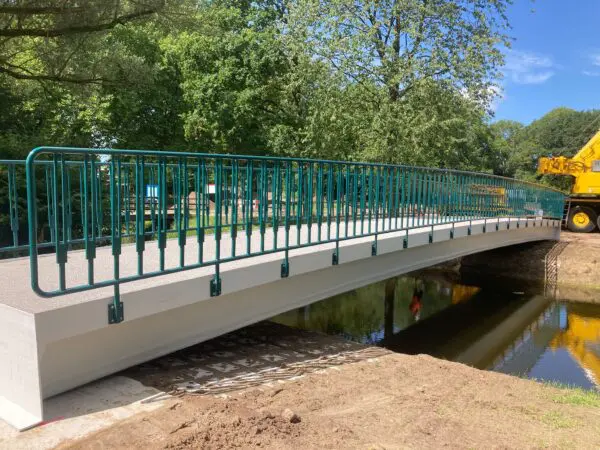
In collaboration with FiberCore, Strukton applies innovative composite bridges in a variety of projects. Composite bridges are a sustainable solution made from a combination of glass fibres and resin, with a foam core. This makes the bridges lightweight while remaining exceptionally strong and corrosion resistant. Composite material is suitable for a wide range of bridge structures. The bridges are easy to install, require minimal maintenance and offer a long service life.
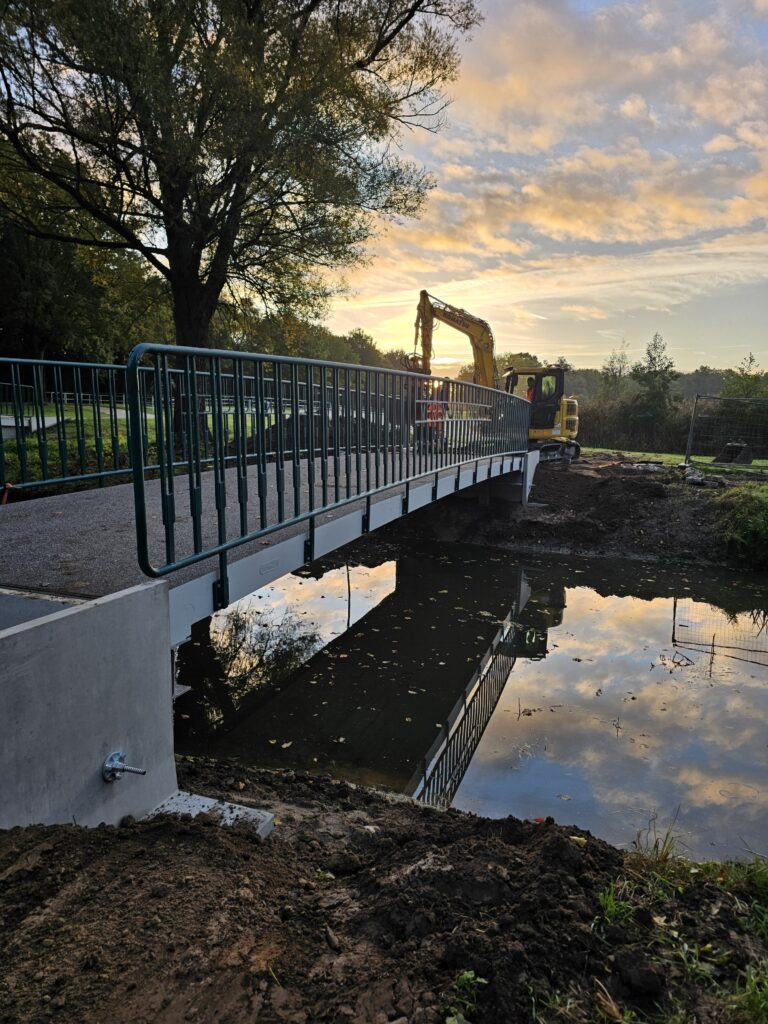
In 2025, Strukton installed two cycle bridges and replaced a pedestrian bridge as part of the redevelopment of the Meren van Borculo recreational area, commissioned by Leisurelands. Sustainability played a central role throughout the project. The bridges were constructed from composite material (glass fibre reinforced). In total, approximately 44,200 recycled PET bottles were incorporated into the core of these bridges. In addition, they were designed for a service life of 80 to 100 years and require virtually no maintenance.


By 2050, the infrastructure sector aims to be fully climate‑neutral. This future includes:
The transition is already underway, driven by innovation, collaboration and long‑term thinking.
Zero‑emission equipment refers to machinery that operates without producing exhaust gases, typically powered by electricity or batteries. Examples include:
This equipment eliminates local emissions, improves air quality around work sites, reduces noise pollution and helps clients comply with increasingly strict sustainability requirements.
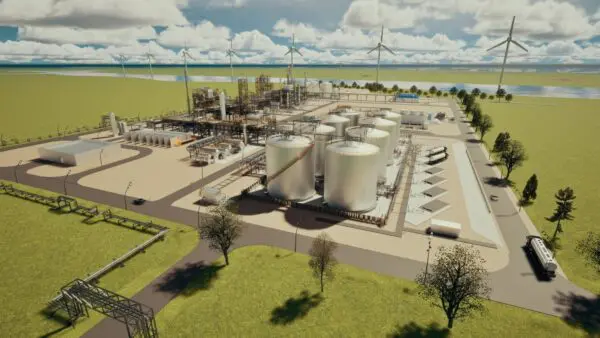
Infrastructure projects increasingly rely on advanced sustainable technologies, such as:
These innovations drive measurable environmental benefits throughout the asset lifecycle.
CO₂‑reduction is achieved through a combination of clean construction methods and material innovation. Key strategies include:
These measures not only reduce carbon emissions but help create more resilient, future‑proof infrastructure.
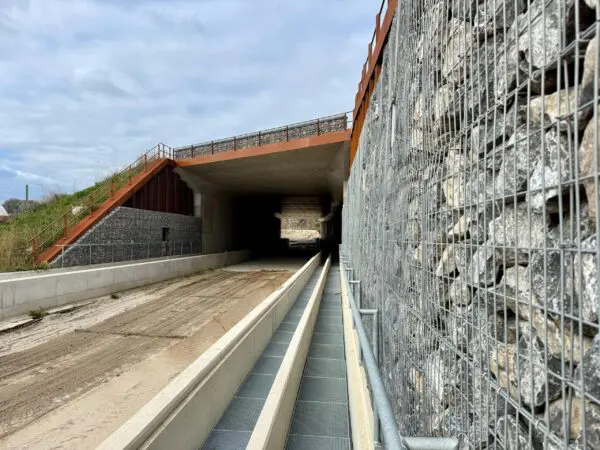
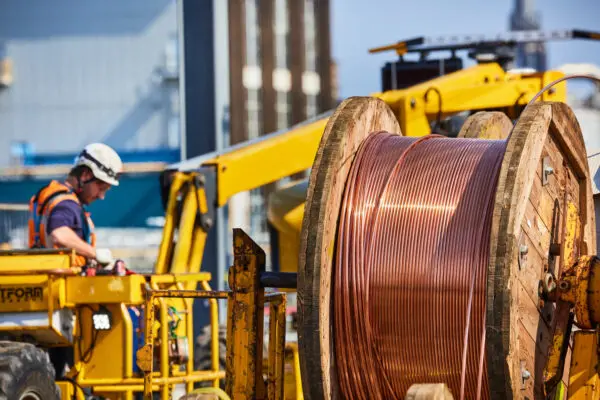
Sustainability in rail and civil engineering focuses on reducing environmental impact across the entire lifecycle of infrastructure. This includes using emission‑free equipment, circular and recycled materials, and designing assets with a longer lifespan and lower maintenance requirements. Reusing structural components—such as circular viaduct beams or recycled copper contact wires for overhead lines—significantly reduces CO₂ emissions while conserving valuable raw materials.
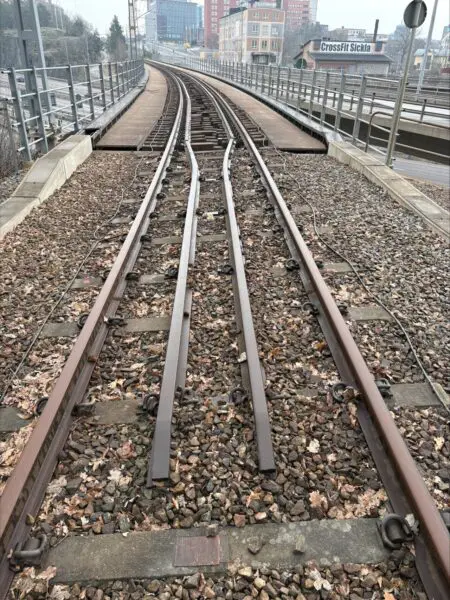
Railway bridges must withstand heavy axle loads, dynamic vibrations and increasing train frequencies. Important considerations include structural stiffness, fatigue resistance, long‑term durability and compatibility with electrification systems. With many European railway bridges exceeding 50–100 years of age, strengthening methods such as composite overlays, high‑strength materials and smart monitoring systems are increasingly used to extend lifespan and ensure safe operations.
Movable bridges rely on advanced bridge‑control and monitoring systems that manage mechanical movements, ensure safety interlocks, support remote operation and monitor real‑time performance. Modern systems integrate sensors, automation and fail‑safe logic to guarantee safe bridge openings while coordinating with traffic, vessels and other infrastructure elements. Many engineering firms specialising in rail and civil infrastructure provide expertise in designing, upgrading and maintaining such systems.