






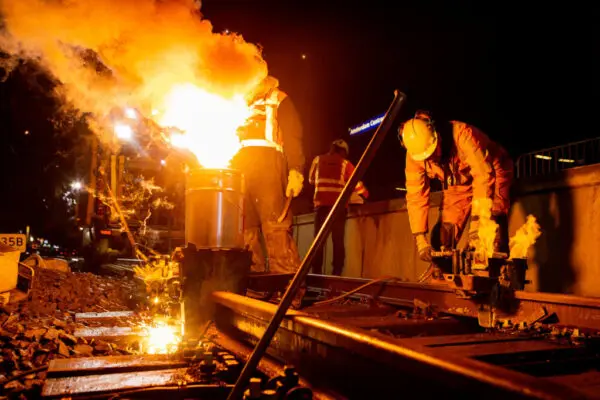


Signalling and Telecom Works at Stockholm Central Station
News
09 February 2026

Read the article
Expertises
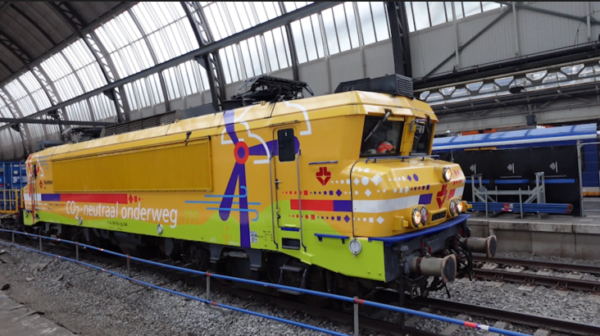
Strukton Rail, together with Strukton Power, is developing a sustainable solution: a locomotive powered by overhead lines where possible and by battery where necessary. The battery locomotive marks a new step towards zero‑emission railway maintenance.
Sustainability is becoming increasingly important for rail contractors. Electric locomotives are the clean solution on electrified tracks. However, where no overhead power supply is available, diesel locomotives are currently the only alternative — despite their environmental impact.
Strukton Rail has partnered with ProRail to develop a sustainable solution using existing technology: a hybrid locomotive powered by the overhead line where possible, and by a battery where needed. Development of the battery locomotive is in full progress.
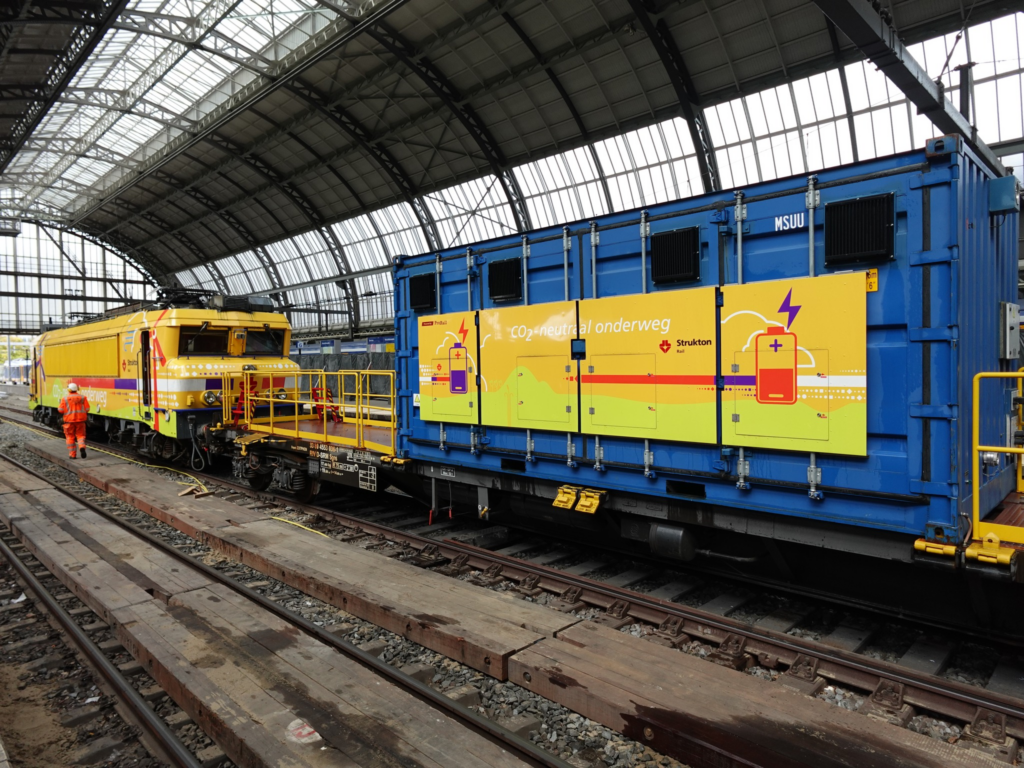
Strukton’s battery locomotive is a standard electric locomotive equipped with an additional battery. When powered by the overhead line, it runs at line speed. For the last mile, it switches to battery power and operates at a lower speed.
The battery recharges automatically whenever the locomotive is running under the overhead line.
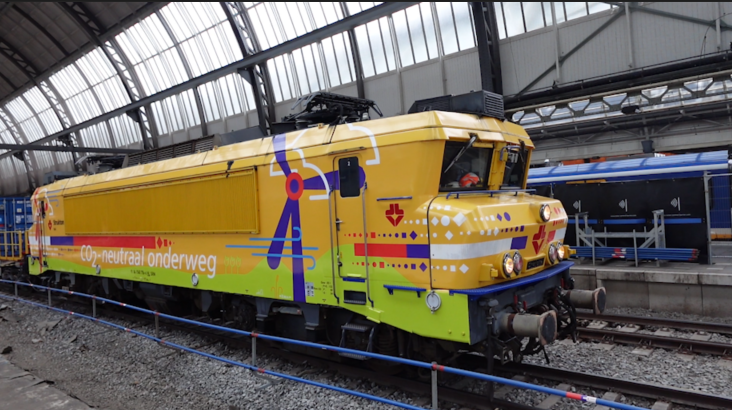
The hybrid technology can be applied to any electric locomotive, reducing the overall cost of transitioning to emission‑free railway maintenance.
Download Brochure Battery LocomotiveOpens in new tab:Business Manager Rail Machines & Logistics
Strukton Rail


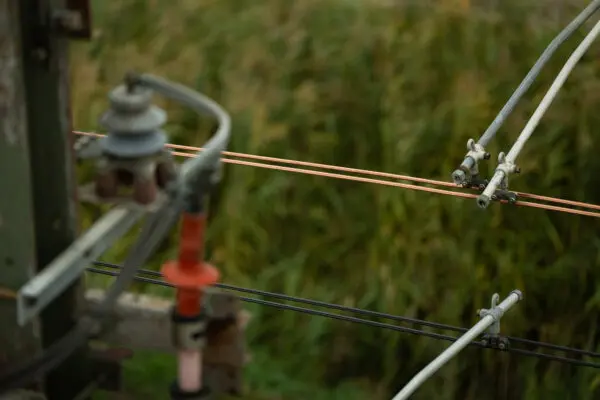
Rail construction plays a crucial role in Europe’s shift towards low‑carbon mobility. By expanding and modernising electric rail infrastructure, the sector enables cleaner transport that produces significantly lower CO₂ emissions than road or air travel. At the same time, energy‑efficient work methods—such as using low‑emission machinery, hybrid traction systems and digital tools that extend asset life—help reduce the environmental footprint of construction activities. Together, these developments strengthen a sustainable mobility network and accelerate progress towards European climate goals.
In rail construction, highly specialised machinery ensures that work is carried out safely, efficiently and with minimal disruption. Typical equipment includes track‑laying trains, tamping machines, rail welding units, road‑rail excavators and ballast profiling systems, each designed to build or restore track structures with precision. These machines support both large‑scale track installation and daily maintenance operations. Innovations in automation and robotics are increasingly enhancing productivity and safety, helping infrastructure managers deliver consistent quality in a growing European rail network.
Safety is maintained through strict operational procedures in combination with modelling and prioritisation based on asset criticality. Intelligent asset management and real‑time monitoring technologies help identify risks at an early stage and ensure trains can continue to operate safely. These systems support long‑term investment planning and maintain the reliability of the rail network.
Because European rail networks are heavily used, maintenance is often carried out during night‑time or weekend possessions when fewer trains are running. High‑traffic lines require carefully planned maintenance windows to minimise service disruptions while ensuring infrastructure remains safe and in good condition.
Maintenance priority is determined using asset condition models and long‑term asset management strategies. This enables companies and railway managers to forecast the future state of critical rail components, helping planners intervene at the optimal moment. Intelligent asset‑management systems make it possible to compare scenarios, estimate remaining service life and plan renewals efficiently based on operational needs and strategic investment priorities.
Modern railway maintenance combines condition monitoring, inspection data, advanced algorithms and expert domain knowledge to support data‑driven decision‑making. Digital tools and predictive analytics help maintenance teams detect issues earlier, schedule interventions more effectively and continuously improve the maintenance cycle. These approaches are increasingly adopted across Europe to boost reliability and reduce unplanned downtime
The purpose of railway maintenance is to ensure the safety of passengers and train operations, prevent failures and delays, extend the lifespan of rail assets and avoid costly repairs by resolving issues early. Maintenance is vital for keeping high‑usage rail networks reliable and efficient, reducing disruptions and supporting sustainable rail operations.