






Modern tunnel construction demands a rare combination of disciplines: civil engineering, advanced tunnel technical installations, and data‑driven asset management. Across Europe, Strukton delivers fully integrated solutions for road tunnels, rail tunnels, and multifunctional underpasses, combining decades of experience with innovation and operational excellence. Our capabilities span the entire lifecycle — from initial design and construction to long‑term maintenance and refurbishment — ensuring safe, sustainable and reliable infrastructure.
Tunnels and Underpasses
Expertise
Expertise in Design, Construction and Maintenance
Managing the Entire Value Chain
With specialised companies in the Netherlands, Belgium, Sweden, Denmark and Italy, Strukton brings together a powerful combination of in‑house tunnel engineering expertise and strategic partnerships. This allows us to act as a full‑scope project manager for complex, multidisciplinary tunnel projects — coordinating civil works, rail systems, electrotechnical installations, telecom, safety systems and control technology. Our approach mirrors the long‑standing model used on major European railway networks, where integrated management ensures reliability, safety and extended asset life.
Our Specialisms in Tunnels and Underpasses
- Tunnel Installations – We design, install and maintain critical tunnel technical systems, including safety, ventilation, lighting, signalling, emergency communications and central control equipment — essential for both road and rail environments.
- Rail Tunnels – We offer complete solutions for design, construction, maintenance and renewal of rail tunnels, metro tunnels and underground rail corridors. Our international experience ranges from structural tunnel works to track systems, overhead lines, power supply and safety installations, all engineered for high‑intensity train operations.
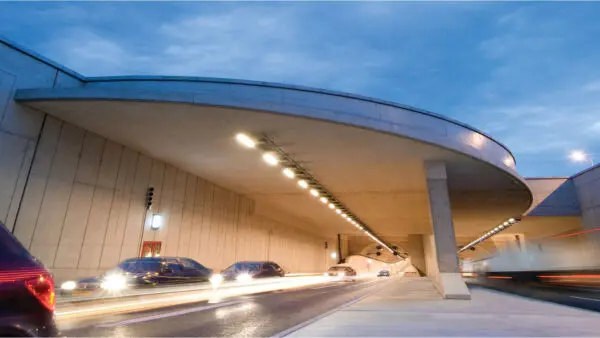
- Road Tunnels – We deliver civil tunnel structures, technical installations, drainage systems, fire‑safety measures, user‑information systems and long‑term maintenance strategies.
- Tunnel Maintenance and Cleaning – Using condition assessments, structural inspections, digital monitoring and asset‑management models, we ensure tunnels remain safe, compliant and operational.
- Underpasses – We design and construct rail and road underpasses with a focus on safety, structural durability, ground‑water management and drainage. Solutions include cut‑and‑cover structures, prefabricated elements, track integration and complex utility coordination
International Strength, Local Expertise
Belgium
Maintenance of industrial rail tunnels, crane‑track structures and tunnel‑adjacent infrastructure To Strukton's Belgian websiteSweden & Denmark
Rail‑tunnel electrification, power‑supply systems, track renewals and advanced engineering To Strukton's Swedish websiteItaly
Design, construction and renewal of railway tunnels and underground metro lines To the website of CLF SpaRelated Projects
Noord/Zuidlijn Metro Station at Amsterdam Central

Discover the project
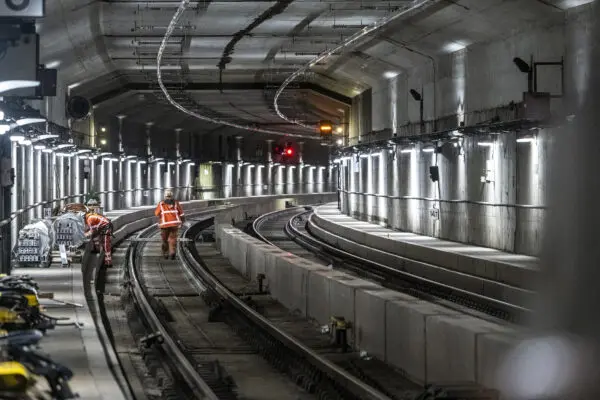
Schiphol Rail Tunnel Renewal
Discover the project
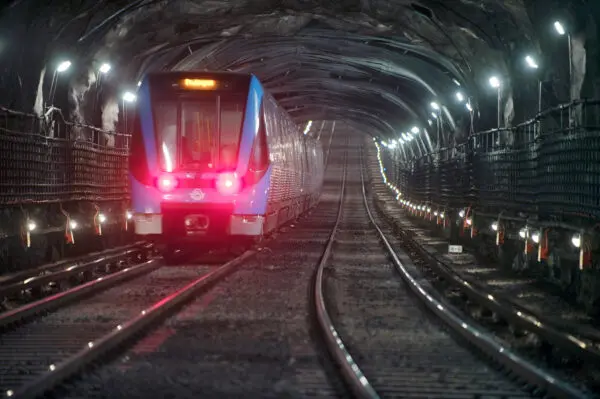
Stockholm Metro
Discover the project
News about tunnels and underpasses
Railway contract for Stockholm metro line expansion
News
14 January 2022
Read the article
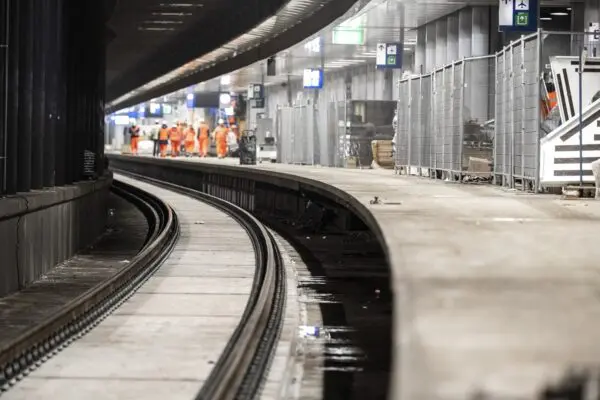
Major renewal rail infrastructure Schipholtunnel
News
09 June 2021
Read the article
Frequently asked questions
Still have questions after reading this page? Find answers to frequently asked questions about tunnels and underpasses.
What does modern tunnel construction for road and rail infrastructure involve?
Tunnel construction requires a combination of civil engineering, advanced technical installations, and specialised project management. Modern tunnel projects integrate structural works with safety systems, ventilation, lighting, drainage, and control technology to ensure long‑term reliability. Contractors with rail and civil expertise deliver both road tunnels and rail tunnels, merging construction with lifecycle‑oriented asset management.
Why is integrated, multidisciplinary delivery essential for tunnel and underpass projects?
Tunnel and underpass construction brings together many disciplines: structural engineering, geotechnics, MEP systems, safety installations, rail systems, cabling, telecom, power supply and monitoring. Successful delivery requires end‑to‑end coordination, often managed by organisations that combine in‑house specialists with trusted long‑term partners across the value chain. This integrated approach ensures seamless execution in complex environments and supports long‑term operability.
What types of technical installations are critical for safe tunnel operation?
Tunnels depend on a broad suite of tunnel technical installations, including fire‑safety systems, ventilation, lighting, signalling, traffic control, emergency communications and structural monitoring. These systems must be designed, installed and maintained according to strict safety and performance standards. Regular inspections and data‑driven maintenance are essential for keeping these installations reliable throughout the tunnel’s lifecycle.
How is the maintenance and lifecycle management of tunnels organised?
Tunnel maintenance includes routine inspections, cleaning, functional checks of technical systems, and structural assessments. Rail‑sector standards classify tunnels by geometry, lining material and condition, and require periodic and extraordinary inspections to assess structural integrity and safety risks. Asset‑management‑driven maintenance ensures tunnels remain safe, available and fit for increasing traffic volumes over decades.
What makes railway tunnels more complex than typical road tunnels?
Railway tunnels must meet additional requirements such as accommodating overhead lines, track systems, power supply, signalling, emergency walkways, drainage and smoke‑control measures. They also require precise track geometry and maintenance methods suited for high‑speed or heavy‑rail operation. Leading European firms specialise in design, construction and renewal of railway tunnels, ensuring safe integration with the broader rail network.
How are tunnel and underpass upgrades executed while keeping traffic or rail operations running?
In both rail and road environments, work often takes place under live conditions. This requires detailed staging, temporary diversions, night or weekend possessions, and precise coordination of civil works, MEP systems and tunnel‑technical installations. Rail organisations in the Netherlands, Scandinavia and Italy routinely work in active networks, applying strict safety regimes and disciplined planning to minimise disruption.
What engineering solutions are used to build or renovate underpasses safely and efficiently?
Underpasses require robust structural design to manage soil loads, groundwater pressure and proximity to rail or road traffic. Typical works include cut‑and‑cover construction, pre‑fabricated elements, foundation works, waterproofing, drainage and integration with surface infrastructure. Engineering teams also coordinate utilities, telecoms and mobility interfaces to ensure safe and efficient movement above and below ground.
How do European contractors ensure innovation in tunnel construction?
Innovation comes from combining specialised tunnel engineering, advanced excavation methods, digital design tools, smart asset‑management systems and international knowledge exchange. For example, Italian expertise within the Strukton group includes high‑precision construction and renewal of rail tunnels and underground metro lines, contributing decades of experience and advanced methods to tunnel projects across Europe.