






Solar-Powered Trams in The Hague
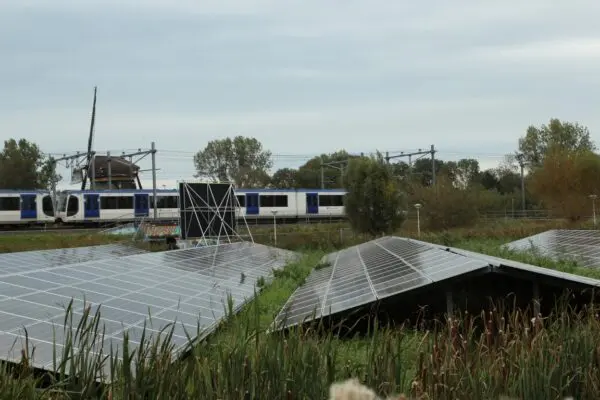
Discover the project
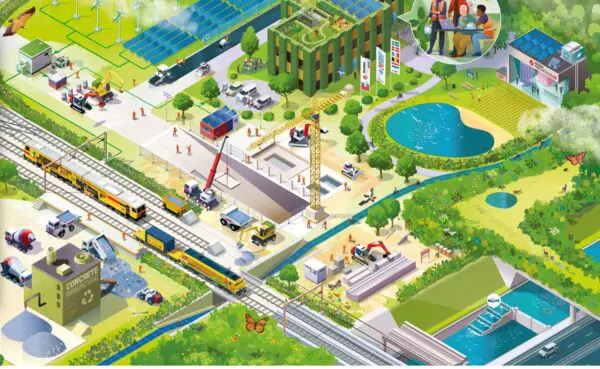
We design, build and maintain sustainable infrastructure for a safe, accessible and comfortable world – today and for future generations. At the same time, we take great care of our people. Our ambition is to work and produce in a climate-neutral, circular and inclusive way. We aim to lead the way in our sector and inspire stakeholders to join us in achieving shared sustainability goals.
Our sector has a significant impact on the environment – from resource use and waste to emissions and biodiversity. This creates enormous opportunities for sustainable innovation. That is why we work closely with partners across the value chain to shape a future-proof world. Everyone working with or under the Strukton name contributes to a sector that guarantees safety, quality and sustainability in rail and road infrastructure.

In addition to continuously improving workplace safety and health, we have set three major sustainability targets:
A detailed breakdown of targets per scope can be found on our CO₂ reduction page.
Check our carbon reduction page Our CSR policy document
Our CSR policy is built on five pillars: People, Planet, Prosperity, Partnership and Peace. These pillars form the foundation for the United Nations Sustainable Development Goals (SDGs), aimed at creating a better world by 2030. We focus on the SDGs most relevant to our core activities and shared values with stakeholders: SDG 7, 8, 9, 12, 13, 15 and 17.
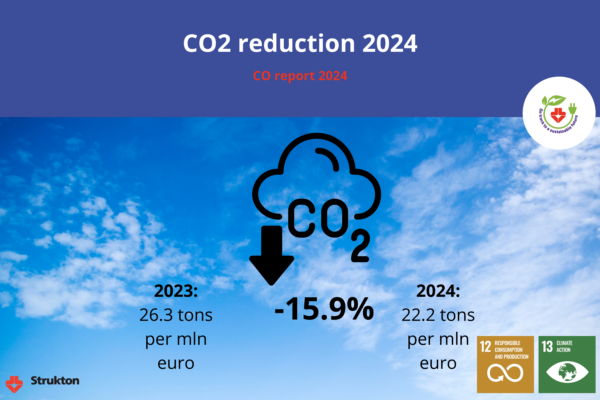
We act CO₂-consciously in our own operations, in project execution and throughout the supply chain. Discover how we do this on our dedicated page about the CO₂ Performance Ladder.

“For us, sustainable construction means no emissions, no waste, no wastage, no mistakes, no accidents, but the sustainable use of people and resources. For myself it means taking responsibility, setting a good example, providing room for good initiatives, arranging for good things and especially persevering. ”

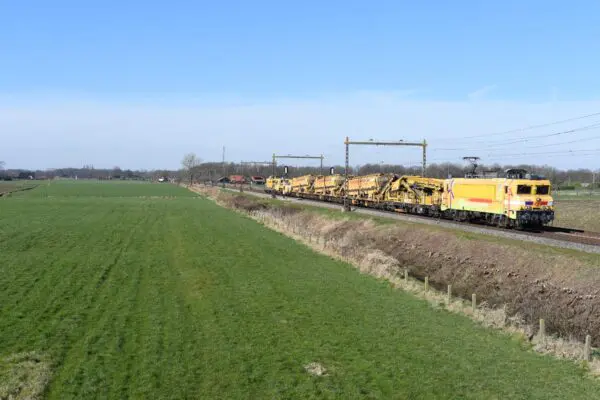
““Initially, our operators weren’t exactly enthusiastic about electric locomotives. They thought diesel-powered locomotives were cooler and easier to deploy. Now they don’t want anything else but electric! The e-locs accelerate smoothly and quickly and don’t need to warm up beforehand.””

Manager Sustainability
Strukton
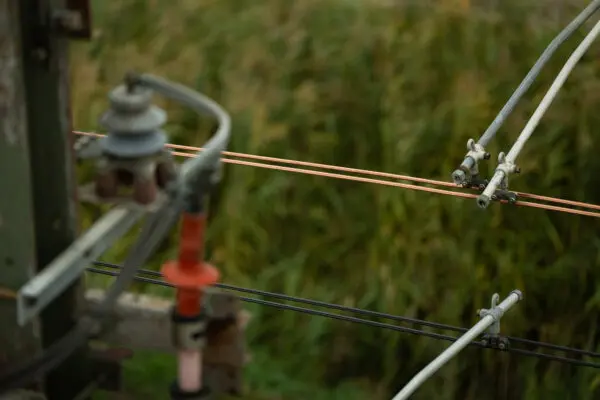
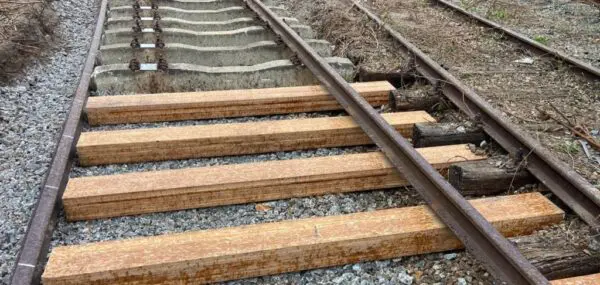
Sustainability in rail and civil engineering focuses on reducing environmental impact across the entire lifecycle of infrastructure. This includes using emission‑free equipment, circular and recycled materials, and designing assets with a longer lifespan and lower maintenance requirements. Reusing structural components—such as circular viaduct beams or recycled copper contact wires for overhead lines—significantly reduces CO₂ emissions while conserving valuable raw materials.
CO₂‑reduction is achieved through a combination of clean construction methods and material innovation. Key strategies include:
These measures not only reduce carbon emissions but help create more resilient, future‑proof infrastructure.
Infrastructure projects increasingly rely on advanced sustainable technologies, such as:
These innovations drive measurable environmental benefits throughout the asset lifecycle.
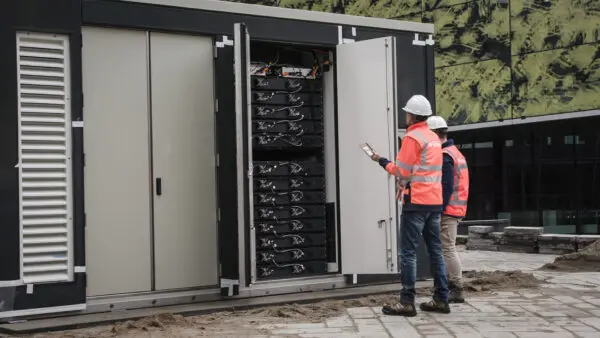
Zero‑emission equipment refers to machinery that operates without producing exhaust gases, typically powered by electricity or batteries. Examples include:
This equipment eliminates local emissions, improves air quality around work sites, reduces noise pollution and helps clients comply with increasingly strict sustainability requirements.
By 2050, the infrastructure sector aims to be fully climate‑neutral. This future includes:
The transition is already underway, driven by innovation, collaboration and long‑term thinking.