






Västkustbanan South and the Ängelholm–Maria Double‑Track Expansion
Discover the project
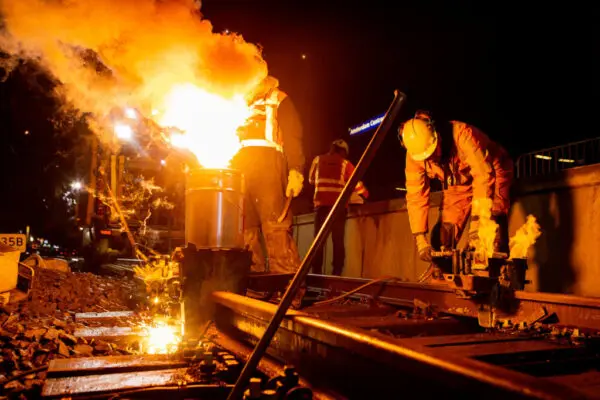
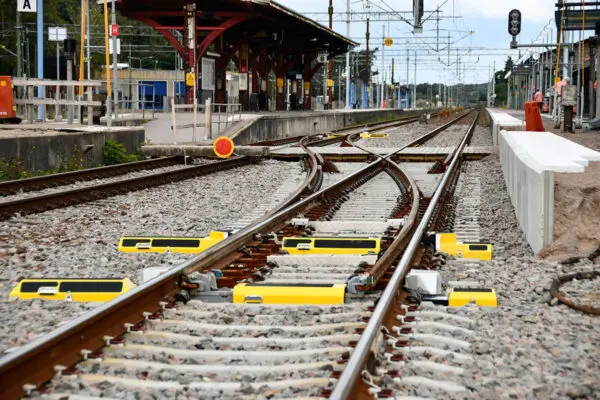
Every train journey starts with well-maintained tracks. That requires top-quality maintenance – and that is one of Strukton’s core specialities. Safety and availability are at the heart of everything we do. We combine innovative technology, intelligent systems and efficient processes with decades of hands-on experience.
As a certified maintenance contractor, we deliver performance-based maintenance in the Netherlands and Sweden. Our goal: tracks that are always safe, available and reliable. Wherever possible, we work predictively and preventively, and we are on call 24/7 for corrective maintenance when needed.
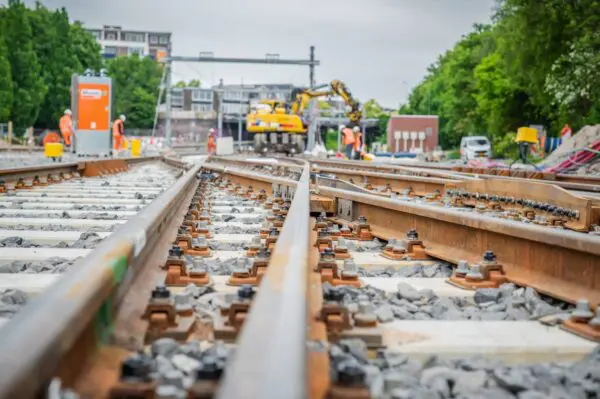
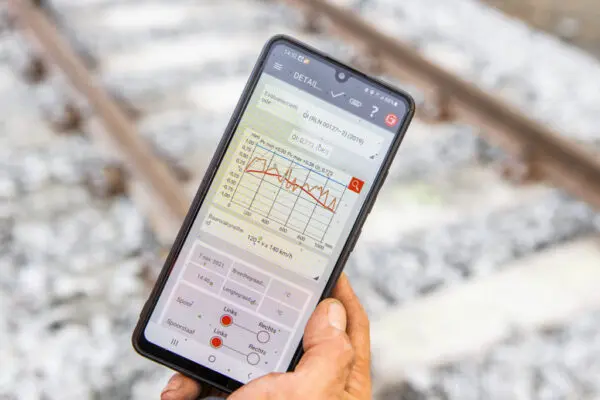
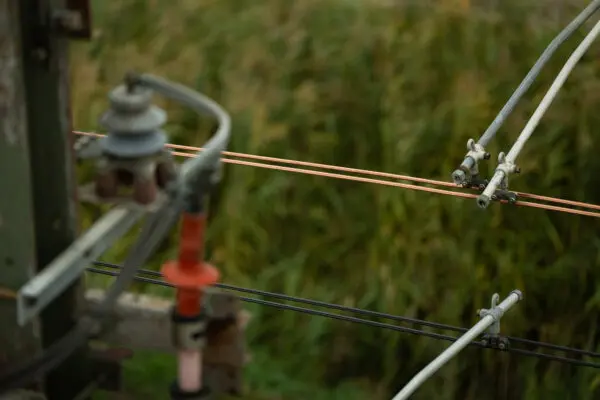
Modern rail maintenance is all about data. We monitor assets such as switches, rails, track geometry, overhead lines and train protection systems using advanced measurement and inspection trains, POSS monitoring, ground radar and sensors. We combine this data with other systems and our practical expertise to gain insight into track condition, predict maintenance needs and plan intelligently. Our customers also benefit from real-time insights. Our technicians provide digital feedback, completing the data cycle.
This ensures:
Rail maintenance covers more than just tracks. We operate across all technical fields: Track, Signalling, Civil Structures, Overhead Lines, Power Supply, Tunnel Technical Installations (TTI), Cables & Pipes and Vegetation Management.
We deploy our advanced fleet for maintenance, including tamping machines, Krols and lifting platforms. Our machines are increasingly automated, data-driven, smarter – and increasingly sustainable.
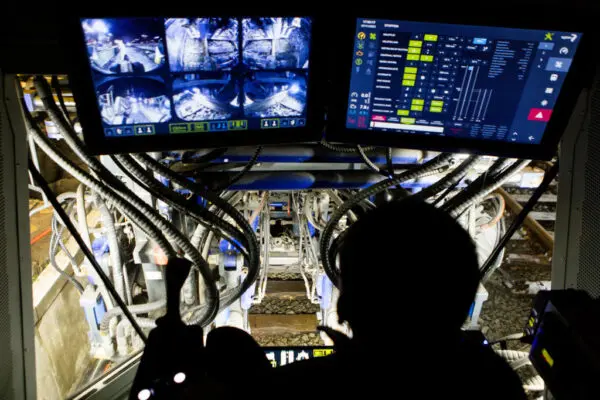
In Sweden and the Netherlands, we are a trusted partner for rail maintenance. We deliver top-level services for Trafikverket, SL, ProRail and other infrastructure managers. Visit our Swedish and Dutch websites for more information.
To our Dutch websiteOpens in new tab:Our smart approach also applies to industrial rail connections. Strukton Rail Short Line manages over 150 connections, taking full responsibility for availability.
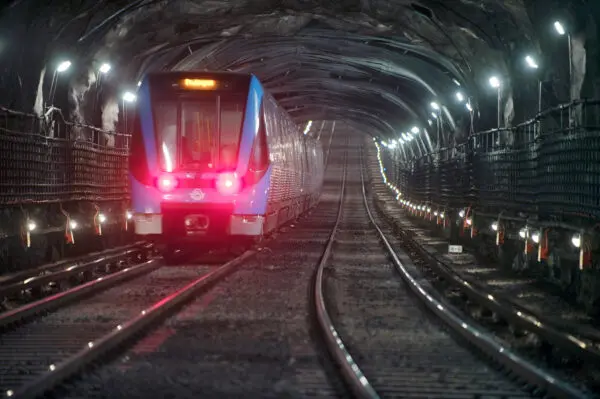
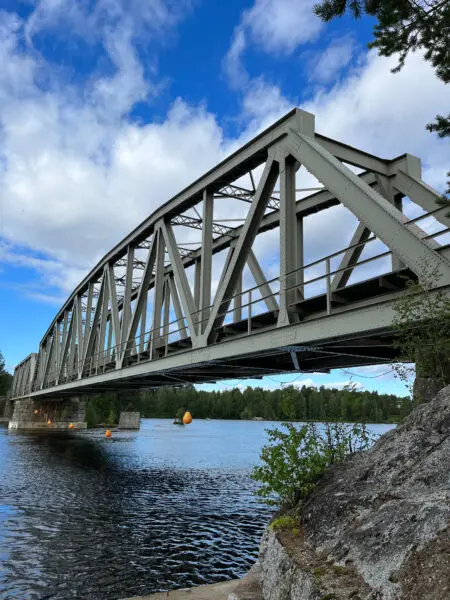
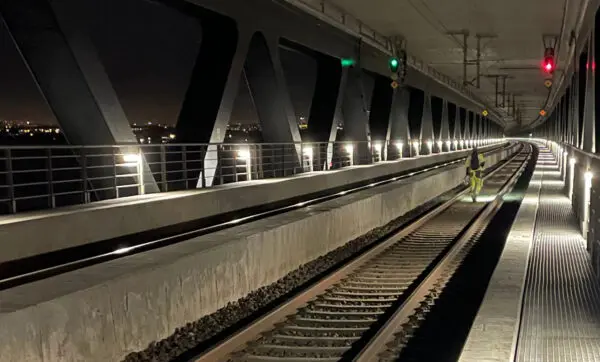



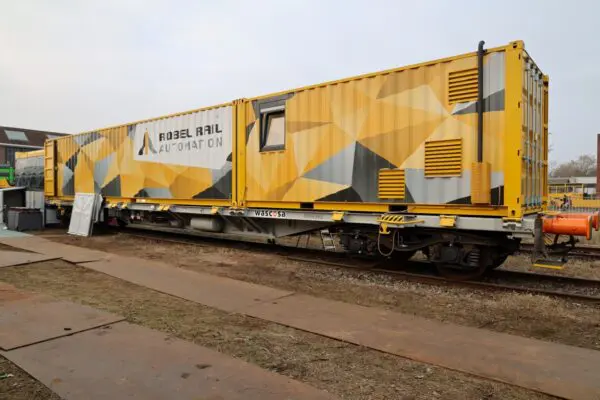
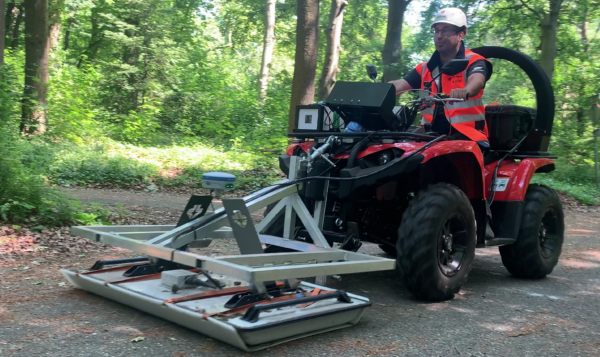
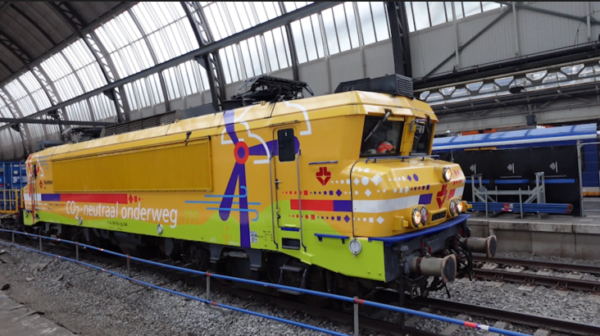

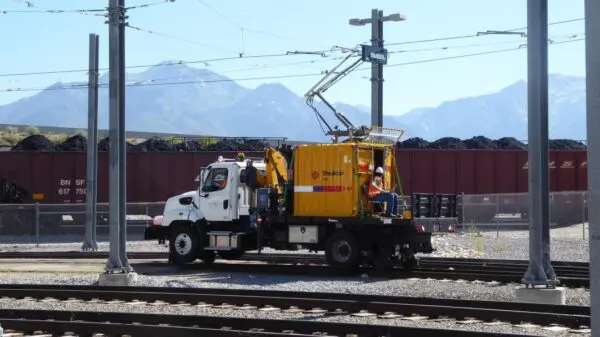

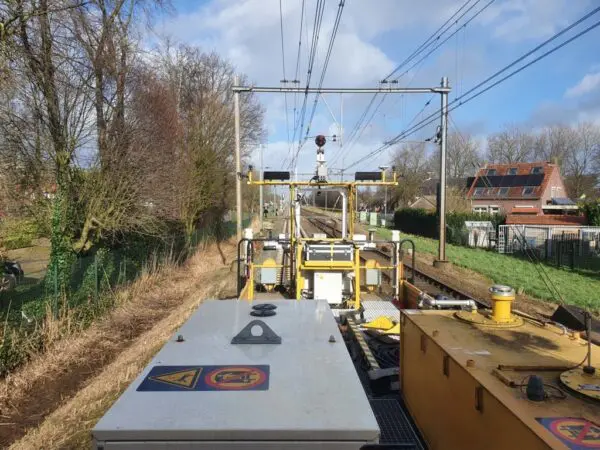
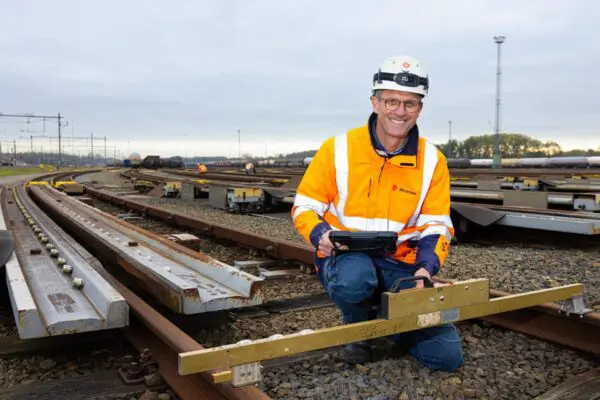
“Keeping the railways in top conition to allow passengers and freight trains to travel safely and comfortably from point A to point B. That the task of our maintenance teams. Heavy trains drive on the tracks day in, day out, and all assets must be in perfect condition.”
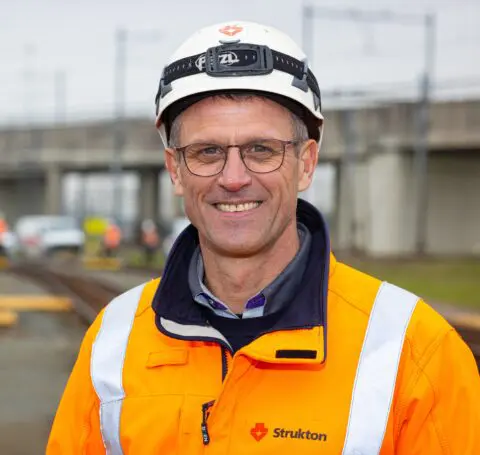
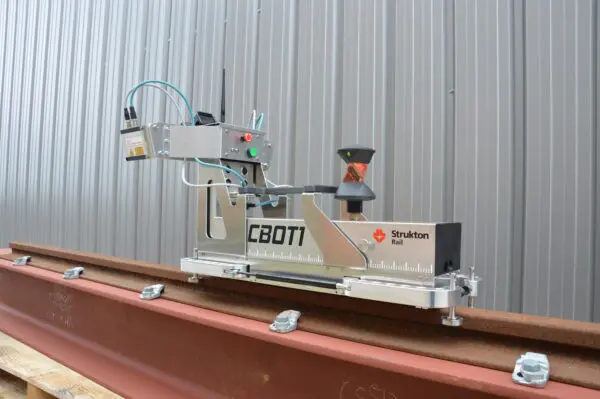
“We can operate the CBOT-1 measuring robot remotely. We install it at a specific location on the rails, and from there it is able to reach every position. The robot can scan as many as 200 metres of rail and crane tracks in just a single movement. ”
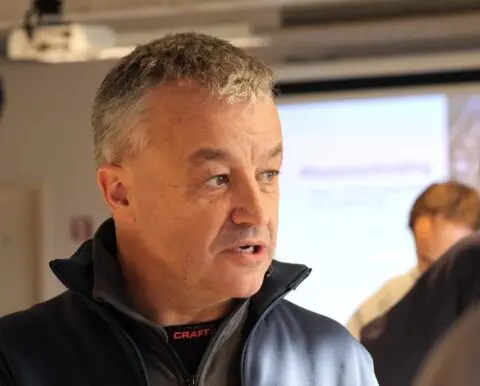
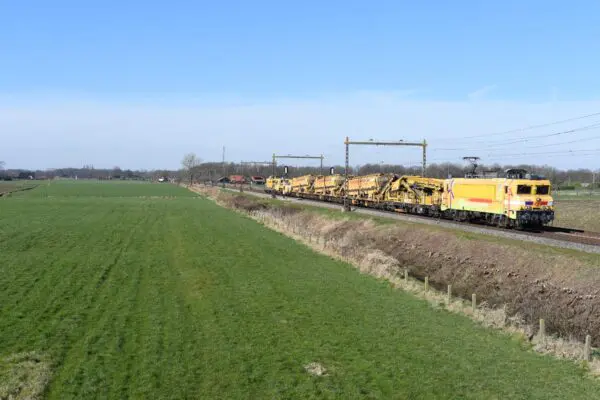
““Initially, our operators weren’t exactly enthusiastic about electric locomotives. They thought diesel-powered locomotives were cooler and easier to deploy. Now they don’t want anything else but electric! The e-locs accelerate smoothly and quickly and don’t need to warm up beforehand.””

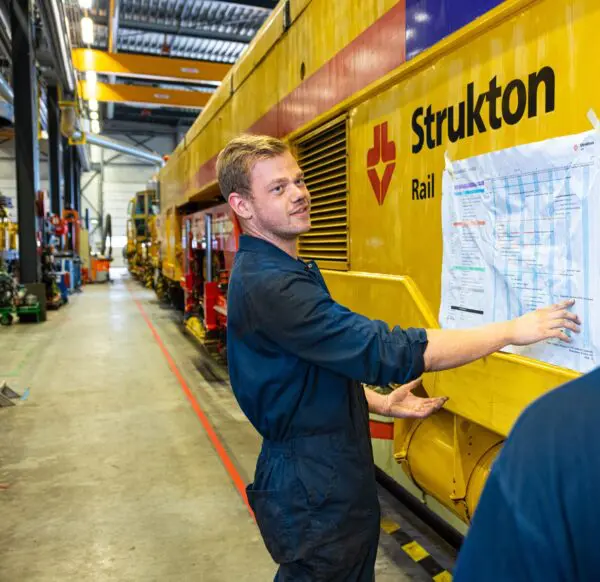
Railway maintenance refers to all activities required to keep rail infrastructure safe, reliable and in optimal condition. This includes tracks, switches, overhead lines, sleepers, ballast, power supply, cables, ducts and signalling systems. Routine inspections and major renewal activities such as rail grinding, tamping and ballast maintenance are essential to ensuring long‑term track performance. Asset management plays a crucial role in rail maintenance.
The purpose of railway maintenance is to ensure the safety of passengers and train operations, prevent failures and delays, extend the lifespan of rail assets and avoid costly repairs by resolving issues early. Maintenance is vital for keeping high‑usage rail networks reliable and efficient, reducing disruptions and supporting sustainable rail operations.
Modern railway maintenance combines condition monitoring, inspection data, advanced algorithms and expert domain knowledge to support data‑driven decision‑making. Digital tools and predictive analytics help maintenance teams detect issues earlier, schedule interventions more effectively and continuously improve the maintenance cycle. These approaches are increasingly adopted across Europe to boost reliability and reduce unplanned downtime
Maintenance priority is determined using asset condition models and long‑term asset management strategies. This enables companies and railway managers to forecast the future state of critical rail components, helping planners intervene at the optimal moment. Intelligent asset‑management systems make it possible to compare scenarios, estimate remaining service life and plan renewals efficiently based on operational needs and strategic investment priorities.
Because European rail networks are heavily used, maintenance is often carried out during night‑time or weekend possessions when fewer trains are running. High‑traffic lines require carefully planned maintenance windows to minimise service disruptions while ensuring infrastructure remains safe and in good condition.
Safety is maintained through strict operational procedures in combination with modelling and prioritisation based on asset criticality. Intelligent asset management and real‑time monitoring technologies help identify risks at an early stage and ensure trains can continue to operate safely. These systems support long‑term investment planning and maintain the reliability of the rail network.