






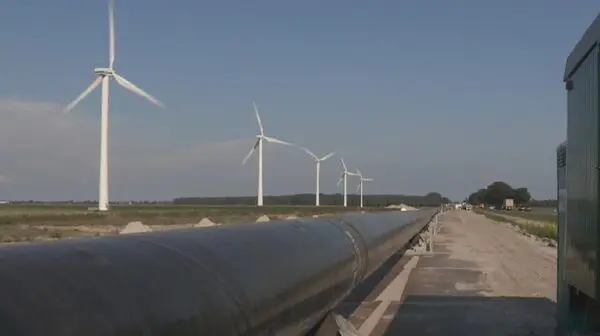
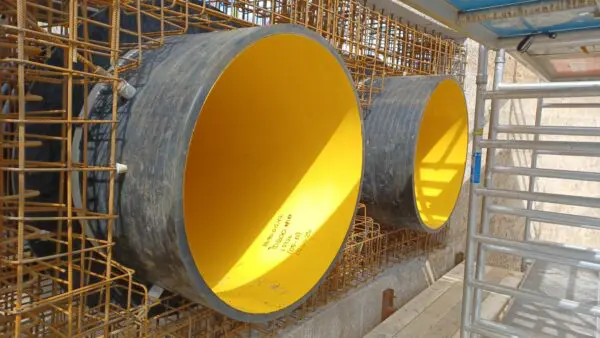
We design and install underground infrastructure using various techniques, at different depths, in a wide range of diameters and materials — including plastics, GRP, steel, ductile iron, and concrete. Every structure is delivered watertight after thorough inspection. We carry out this activity in the Netherlands.
Pipeline Construction
Expertise
Expertise and Experience
With over fifty years of knowledge and experience, we ensure meticulous planning, professional engineering, and precise project management. This approach is essential to deliver projects under complex conditions with high quality and minimal disruption to people, the environment, and industrial processes. Our clients include water authorities, municipalities, drinking water companies, and industrial partners.
Specialized Services
Our pipeline work includes horizontal directional drilling (HDD), pipe jacking, and both open and closed front drilling. We also handle cleaning, maintenance, and repairs, tailored to customer needs. With craftsmanship, experience, and a strong focus on quality and safety, we make a visible difference with “invisible” infrastructure.
Strong Partnerships and Environmental Care
Pipeline construction is more than underground work. We connect with clients and partners to align underground and above-ground infrastructure. By working with trusted subcontractors and suppliers, we guarantee a streamlined process. Environmental management is an integral part of our approach, minimizing local impact and inconvenience.
Safety and quality
Quality and safety are top priorities. We comply with all relevant laws, regulations, and standards. For work in chemical or petrochemical industries, contaminated soil, or impure water, we hold the necessary certifications.
Frequently asked questions
Still have questions after reading this page? Find answers to frequently asked questions about pipeline construction.
What does pipeline construction for underground infrastructure involve?
Pipeline construction covers the design and installation of underground utilities using multiple techniques at varying depths, across a wide range of diameters and materials—such as plastics, GRP, steel, ductile iron and concrete. High‑quality contractors deliver watertight systems after thorough inspection to ensure reliability and environmental protection. Strukton carries out this work nationwide in the Netherlands.
Which trenchless and conventional methods are used in modern pipeline projects?
Typical delivery methods include horizontal directional drilling (HDD), pipe jacking, and both open‑ and closed‑front drilling, complemented by conventional open‑cut works where appropriate. A complete service often also covers cleaning, maintenance and repairs to extend asset life and minimise disruption to people, the environment and industrial processes.
What safety and quality requirements apply to pipeline works in industrial areas?
Quality and safety come first: reputable providers comply with all relevant laws, regulations and standards and hold the necessary certifications for working in chemical or petrochemical environments, contaminated soil or impure water. This ensures consistent outcomes and safe execution under demanding site conditions.
Why is experience a key factor in choosing a pipeline construction partner?
Knowledge and experience translates into thorough preparation, disciplined engineering and tight project control, which are critical for delivering high‑quality results under complex conditions with minimal disruption to residents, ecosystems and industrial processes.