


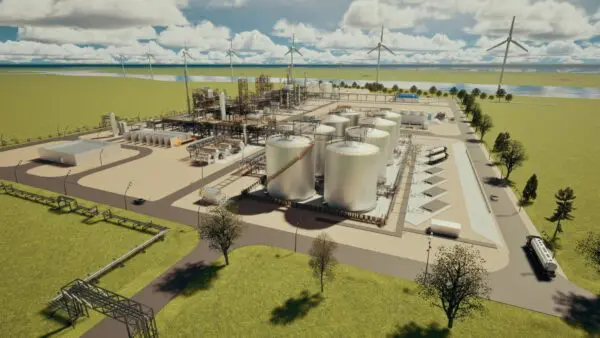
Construction partner for pioneering SAF plant DSL‑01 by SkyNRG and Technip Energies
News
19 February 2026
Read the article
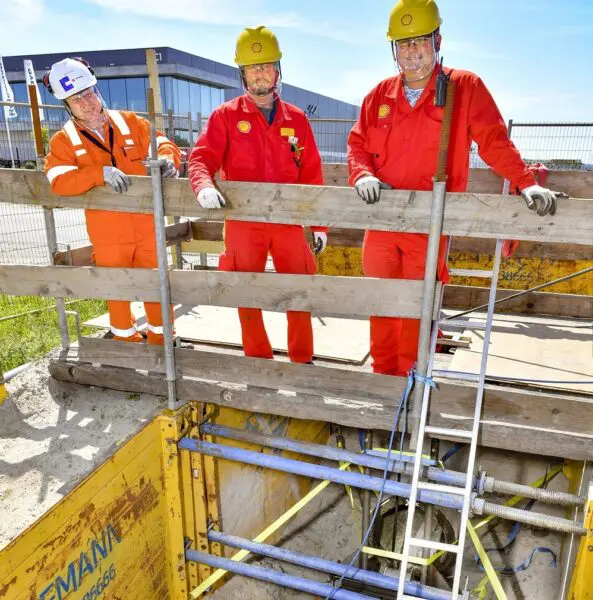
Continuity, quality, and safety are top priorities in industrial environments. At Strukton, we deliver on these priorities through teamwork, smart innovations, and meticulous engineering. For decades, we have been a trusted partner for leading industrial clients in the Netherlands — including Shell Moerdijk and multiple companies at the Chemelot industrial park in Limburg, where we have been active for over 20 years. We hold all the necessary certifications to meet the highest standards.
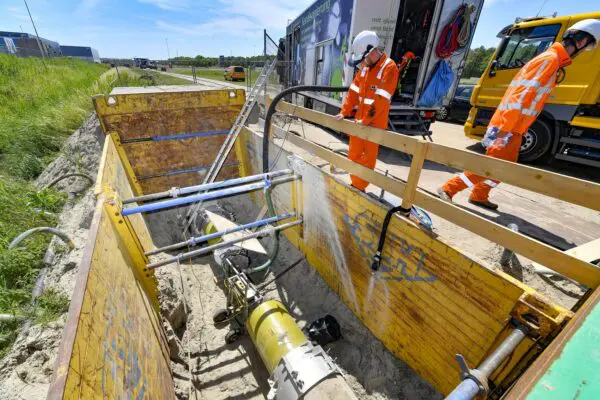
Whether it’s installing sewer systems with pipes over a metre in diameter, earthworks, industrial drainage, paving for a new factory, or constructing steel structures, concrete foundations, and pile foundations — Strukton guarantees quality in every phase: new build, renovation, repair, and maintenance.
Industrial projects often require innovative thinking. Strukton provides smart solutions such as Concrete Canvas — a roll-out concrete mat that creates liquid-tight barriers for tank pits without disrupting ongoing processes. We also specialise in renovating cooling towers, repairing pits with plastic lining, constructing containment basins, and sealing pipe trenches. When contaminated soil is involved, we take all necessary measures to ensure safety and compliance.
Rail connections are often the lifeline of industrial operations. Strukton ensures these lines remain safe and available through reliable maintenance. Strukton Rail Short Line manages over 150 industrial rail connections linking main lines to private sidings. These tracks are essential for transporting raw materials and finished products. As rail infrastructure managers, we take full responsibility for availability and performance, so our clients can focus on their core business.
In the Netherlands, Strukton manages the installation and renovation of pipelines for industrial applications, including fire water, canal water, cooling water, demineralised water, drinking water, and process water. We also handle mixed water and process sewer systems, as well as large-scale projects for cable and duct installations.

We keep the tracks available to freight traffic and guarantee 24/7 continuity of industrial processes. Get connected!
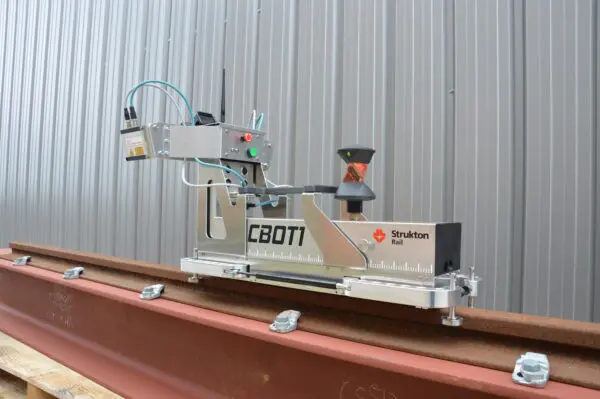
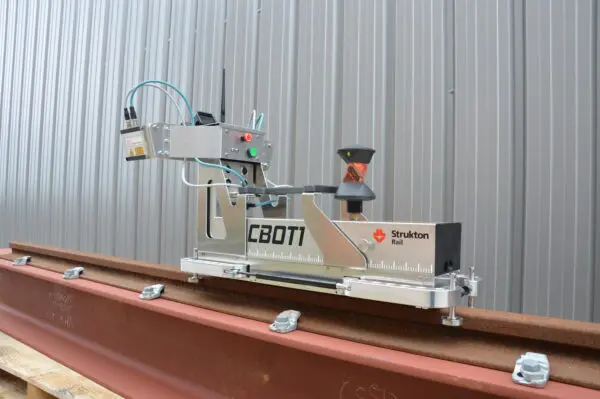
“We can operate the CBOT-1 measuring robot remotely. We install it at a specific location on the rails, and from there it is able to reach every position. The robot can scan as many as 200 metres of rail and crane tracks in just a single movement. ”
Industrial environments rely on uninterrupted processes, making continuity, safety and quality the core requirements for all supporting infrastructure. Complex sites such as chemical parks operate 24/7, and even minor disruptions in drainage, foundations, pipelines or internal transport routes can halt production and create major safety risks. Reliable infrastructure — from sewer systems and foundations to drainage and utility lines — ensures smooth operations under demanding conditions.
Industrial facilities often need heavy‑duty civil engineering, including large‑diameter sewer systems, earthworks, paving for factories, concrete and steel structures, and pile foundations. These tasks must be completed with extreme precision and compliance, especially when working around contaminated soil, active installations or limited working space. Long‑term industrial locations such as Chemelot depend on high‑quality engineering during construction, renovation and maintenance phases. [struktonwe…enbeton.nl], [chemelot.nl]
Industrial sites benefit from solutions that reduce disruption to ongoing processes. Techniques such as Concrete Canvas, liquid‑tight containment upgrades, cooling‑tower renovations, trench sealing and plastic‑lined pit repairs enable rapid installation while keeping production active. In complex conditions — including outdated or contaminated infrastructure — modern relining methods (such as GRE liner systems) extend asset lifespan without extensive excavation.
Industrial rail sidings serve as lifelines for raw materials and finished products, ensuring dependable freight flows between mainline networks and factory grounds. Dedicated maintenance regimes, risk‑based inspections and availability‑driven asset management are crucial to guarantee safety and uptime. Managed networks can include more than 120–150 industrial rail connections, covering sidings, switches, crossings and crane tracks — ensuring continuous logistical performance for industrial operations.
Industrial crane rails and internal rail systems are often hard to reach and require precise inspection to prevent failures. The CBOT‑1 measuring robot, developed by Siebens Spoorbouw (Strukton Rail Belgium), is the first remote‑controlled measurement robot capable of scanning up to 200 metres in a single run, capturing height, alignment, track width, rail profile and wear via laser technology. This enables accurate, preventive maintenance planning without exposing workers to hazardous environments.