





At Strukton, we build infrastructure with respect for nature. By integrating ecological facilities into our projects, we enhance biodiversity and create a more sustainable and attractive living environment.
Ecological Facilities
Expertise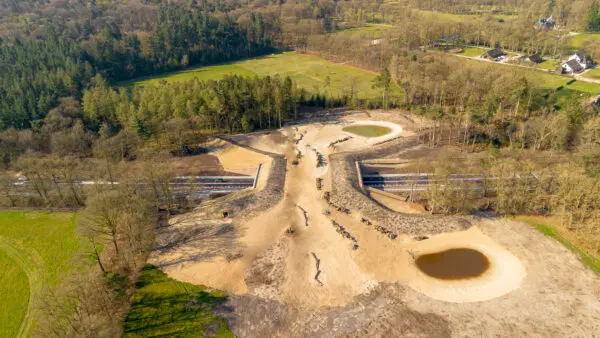
Nature-Inclusive Solutions
Infrastructure contributes to broad prosperity – not only economically, but also in terms of the environment, liveability and safety. That is why we build with respect for the natural surroundings. When nature becomes an integral part of the built environment, both liveability and biodiversity improve.
In many regions, soil and water systems are under pressure and biodiversity is declining. Construction projects do not have to add to these challenges – they can actually create more nature. Through nature-inclusive solutions for infrastructure, drinking water supply and water management, we strengthen ecosystems. We often work closely with ecologists to prevent damage and, where possible, give nature back.
The Big Five
In 2025, together with other partners in the Netherlands, we called for infrastructure development that also enhances nature. For us, five requirements – the Big Five – should be included in every tender:
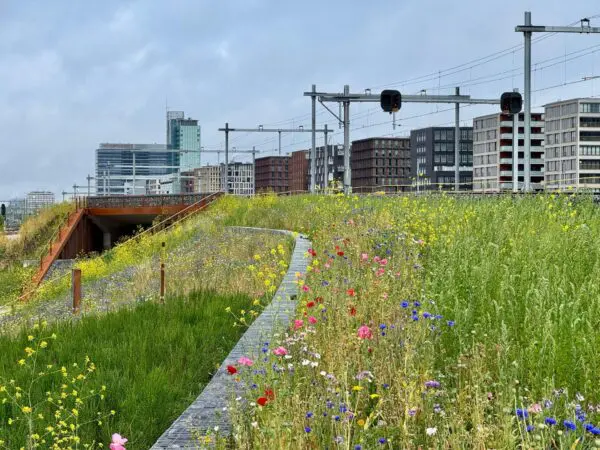
- Nature-inclusive measures for quays, dykes and verges, including a management plan and budget.
- Use only native species, aligned with local ecosystems, with at least 90% indigenous origin.
- Regular mowing and removal of vegetation to promote biodiversity and control invasive species.
- Integrate nature-inclusive measures in the construction and renovation of structures (such as shelters for animals, food sources and ecological corridors).
- Apply the Nature Ladder as standard: minimum ambition level 3 for biodiversity and climate adaptation.
Examples of Ecological Facilities
- Wildlife overpasses (ecoducts)
- Fauna tunnels and wildlife fencing
- Bat boxes and bat screens
- Insect hotels
- Habitats for specific species (e.g., badger setts)
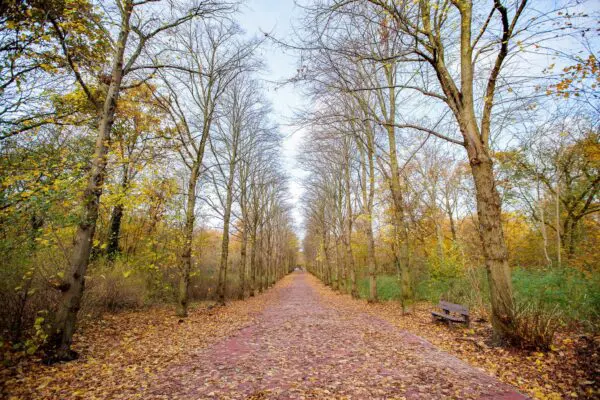
- Green-blue corridors connecting urban and rural areas
- Natural water purification through soil
- Air filtration by vegetation
- Coastal protection through dunes
Ecological Verge Management
Molhoek Infratechniek, a Strukton company in the Netherlands, specialises in flora and green management. They maintain vegetation around roads, railways and other infrastructure with attention to nature and safety.
Frequently asked questions
Still have questions after reading this page? Find answers to frequently asked questions about ecological facilities.
What are ecological facilities?
Ecological facilities, also called ecological provisions, are measures designed to limit the environmental impact of infrastructure and strengthen biodiversity. They create safe connections between habitats, reduce fragmentation and support the movement of wildlife across road and rail corridors. This aligns with European best practices promoting nature‑based solutions to reduce ecological impact in transport infrastructure.
Why are ecological facilities important?
Without ecological measures, roads, railways and waterways can act as barriers, isolating species and degrading ecosystems. Ecological provisions help restore connectivity, reduce wildlife mortality and improve overall ecosystem resilience—an approach increasingly embedded in European biodiversity frameworks and transport guidelines
What types of ecological facilities exist?
Common examples include wildlife overpasses (ecoducts), fauna tunnels, bat boxes, insect hotels, nature‑friendly embankments, green noise barriers and habitat‑restoration elements. Wildlife passages such as ecoducts and large fauna tunnels have been widely adopted across Europe to mitigate fragmentation and support long‑term biodiversity goals.
How are ecological facilities integrated into construction projects?
Integration begins early in the design phase. Ecologists assess local species, migration routes and habitat needs to determine the right type of provision and its optimal location. During construction, project teams adapt planning and execution to seasonal patterns and wildlife behaviour, following established European guidelines on biodiversity‑inclusive infrastructure.
Are ecological facilities mandatory?
In many European countries, ecological measures are required under biodiversity legislation, environmental permits and EU‑level frameworks such as the EU Biodiversity Strategy and the Nature Restoration Law. In addition to regulatory requirements, clients increasingly request nature‑inclusive and climate‑resilient solutions as part of sustainable infrastructure development.